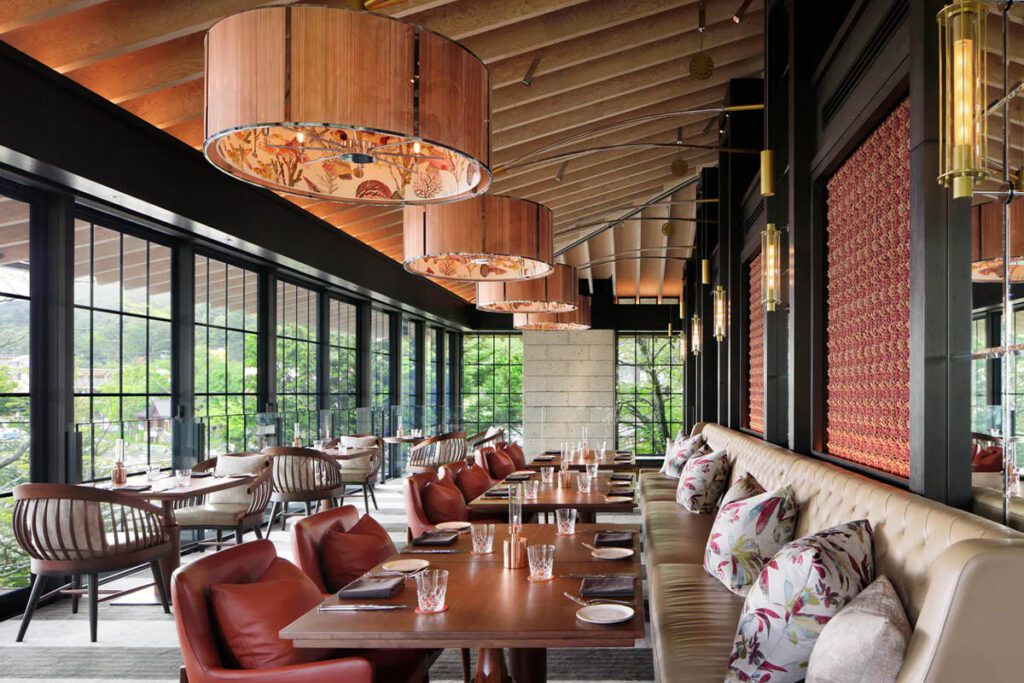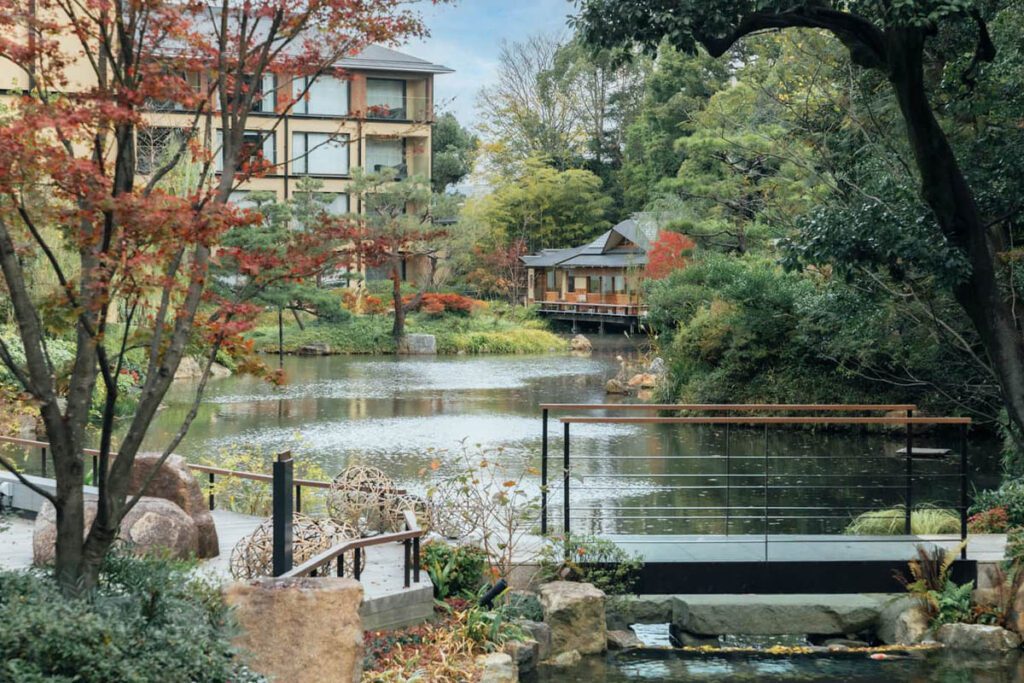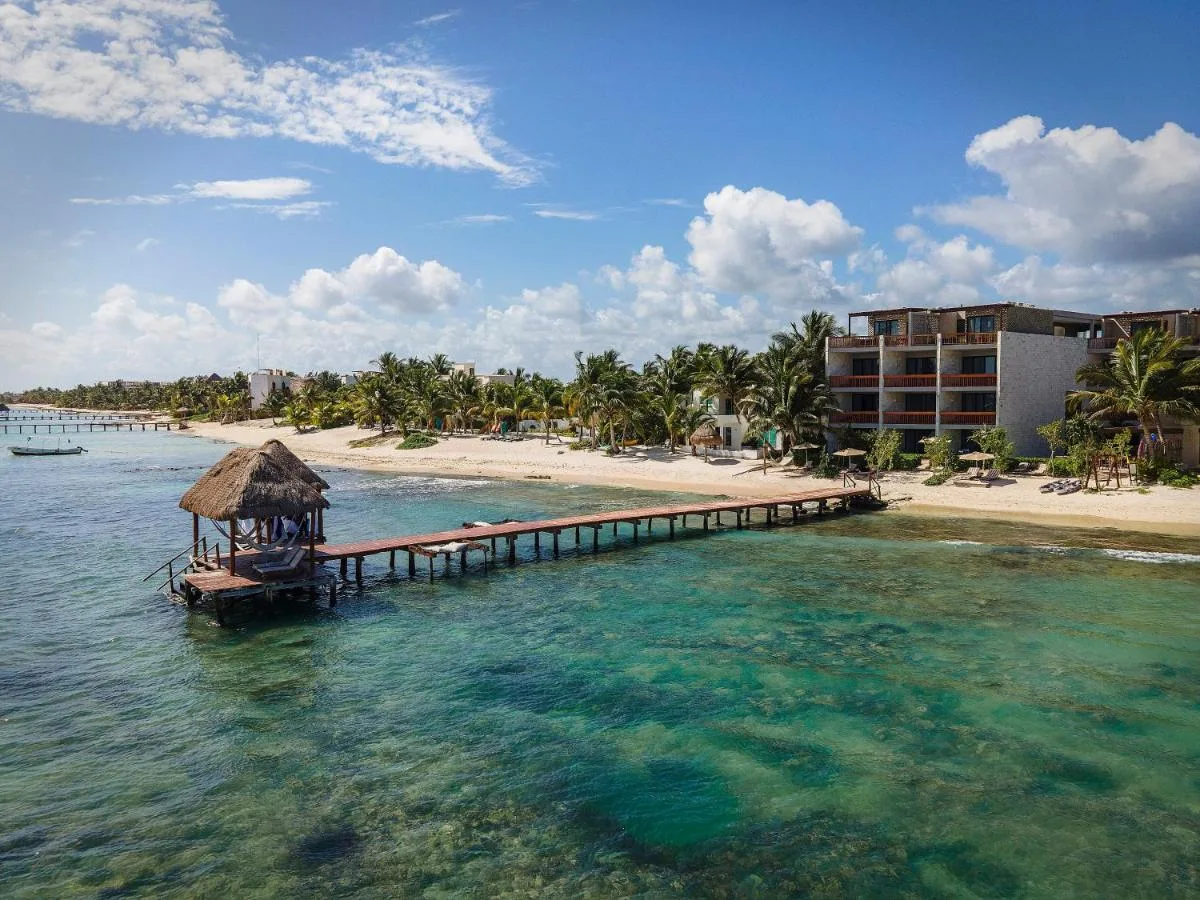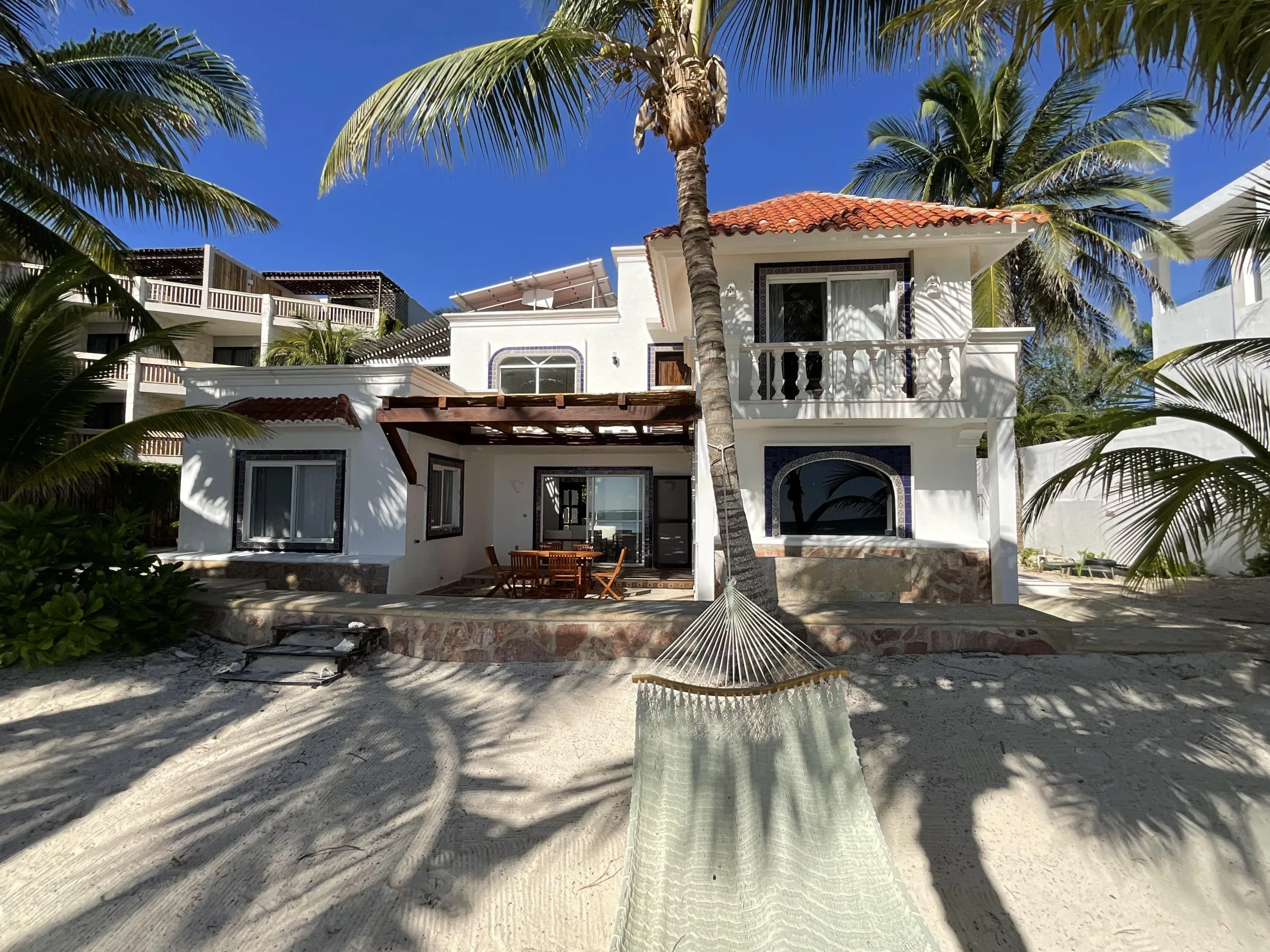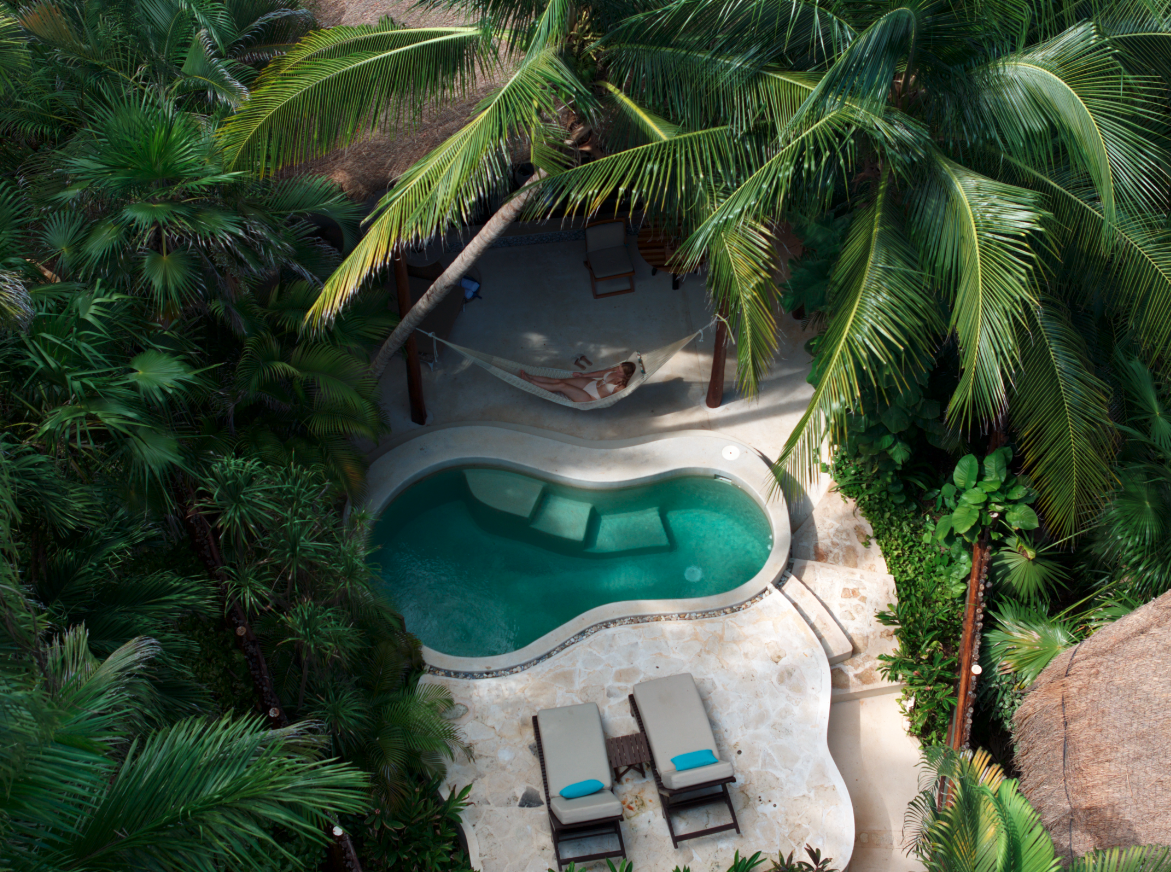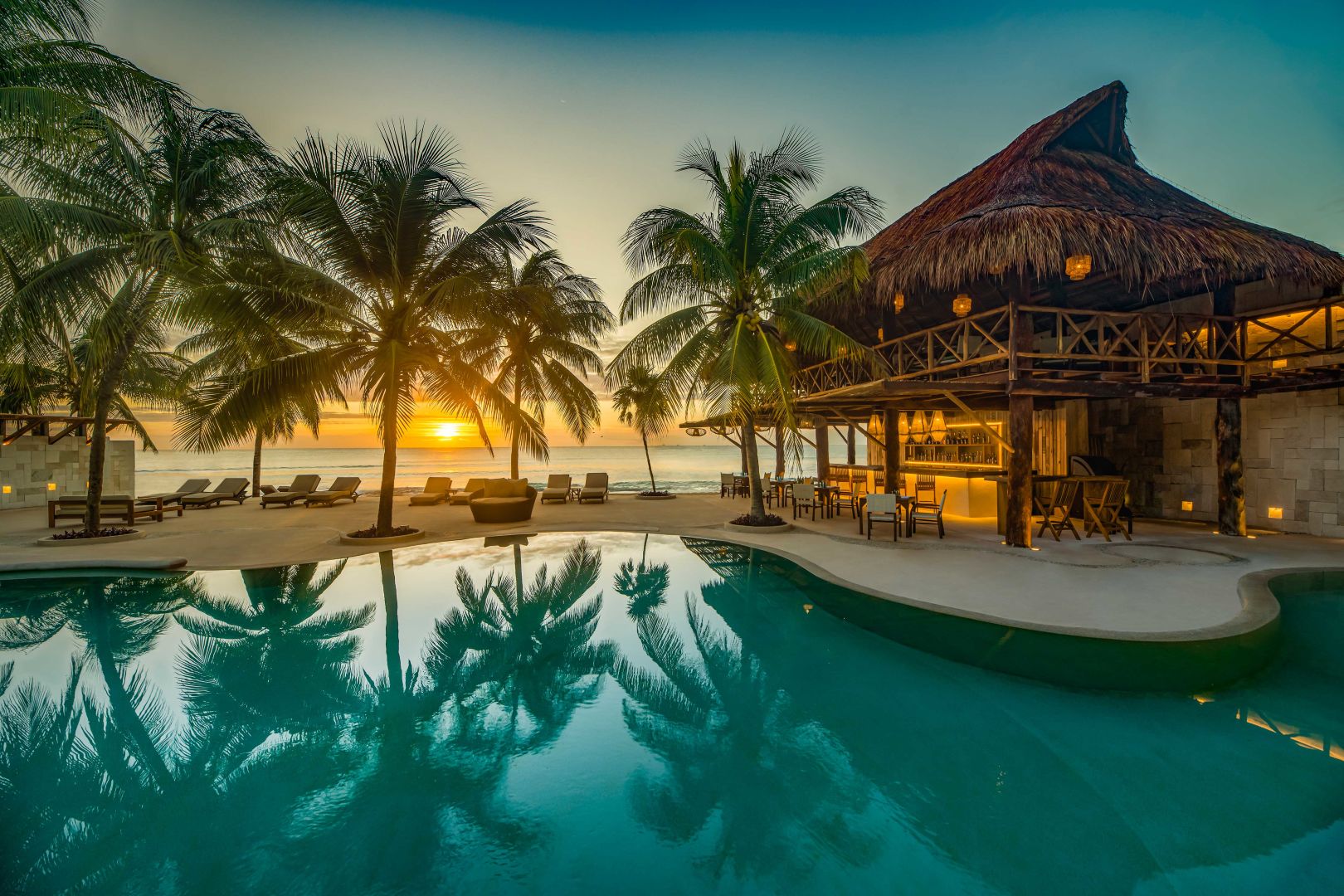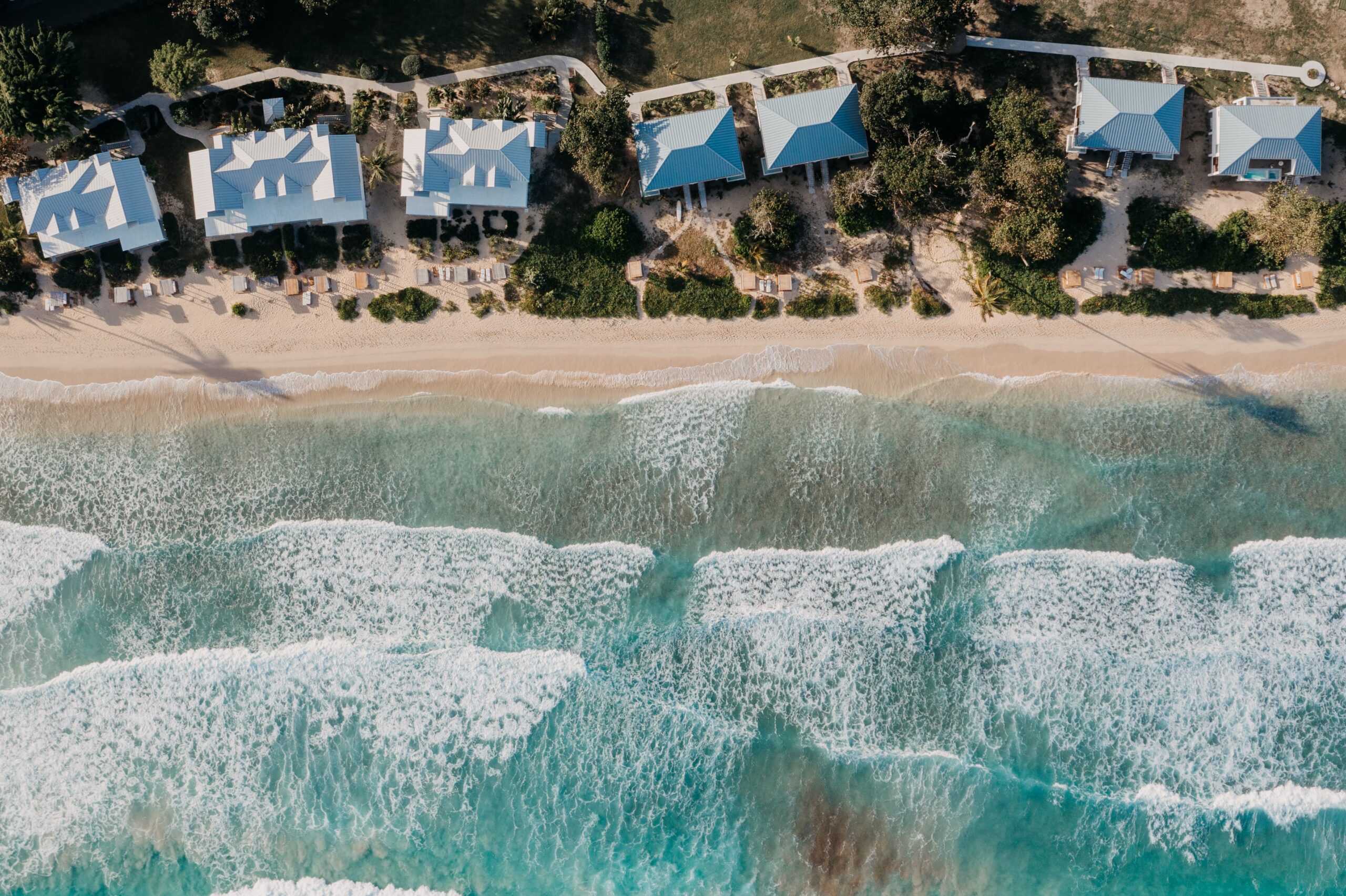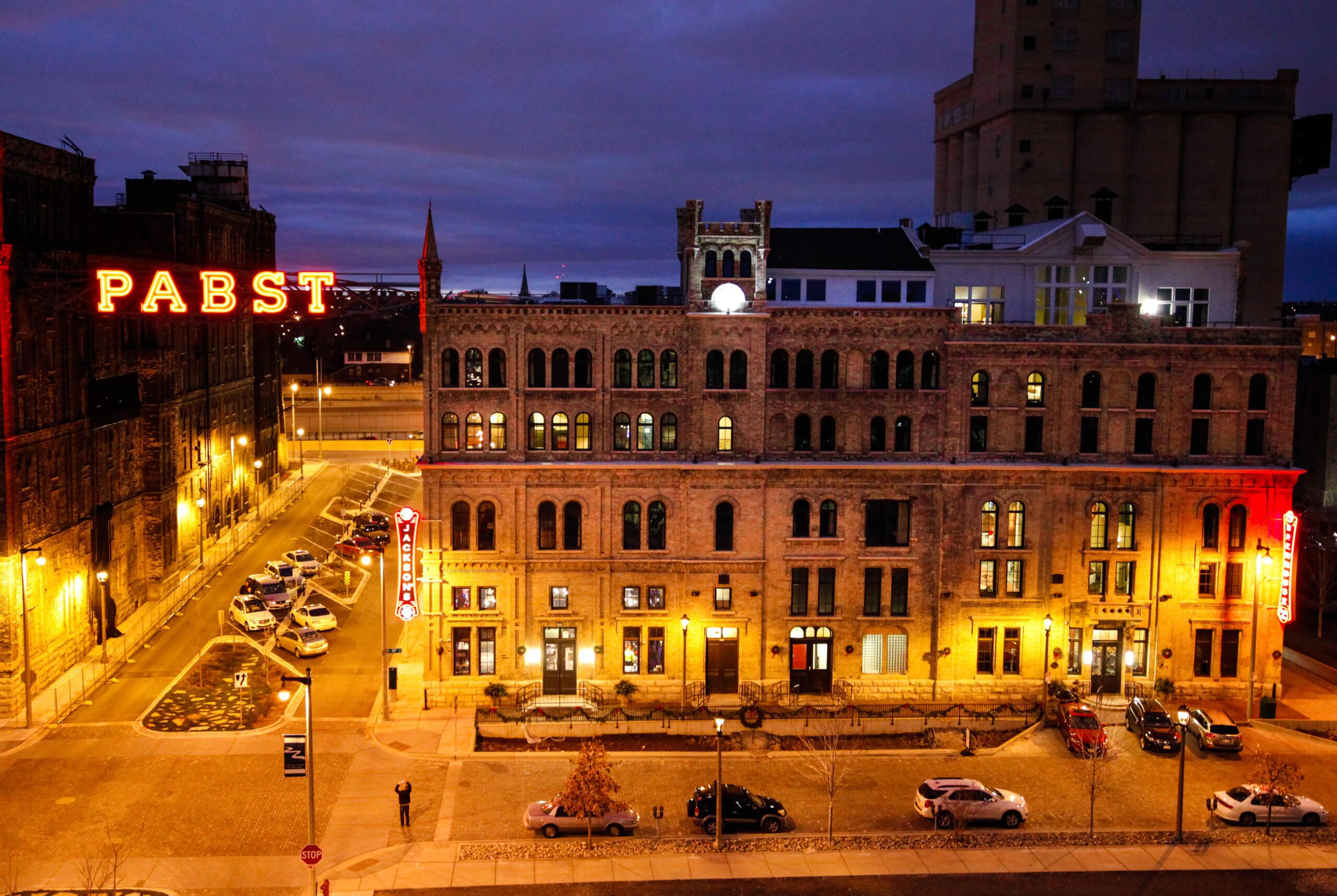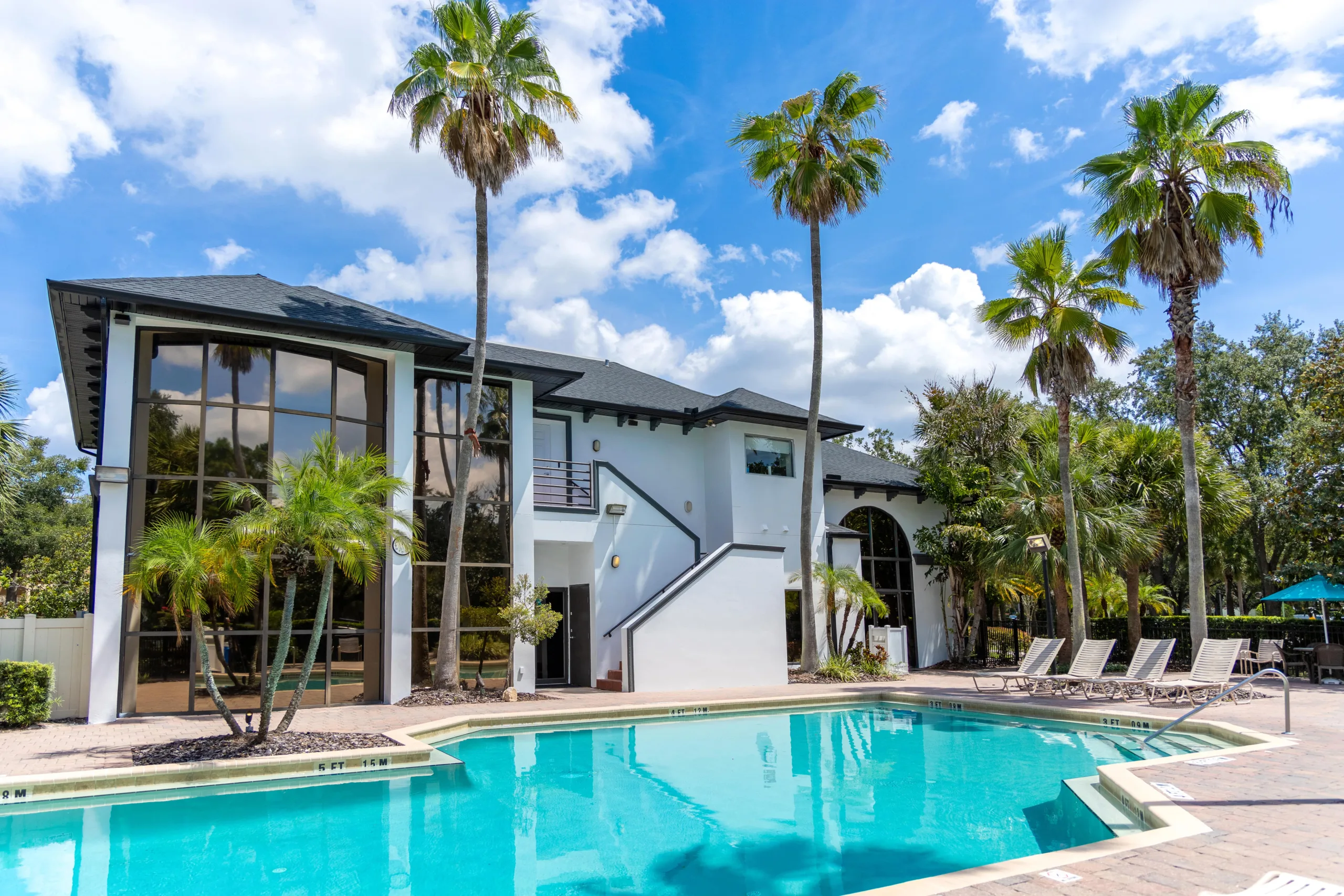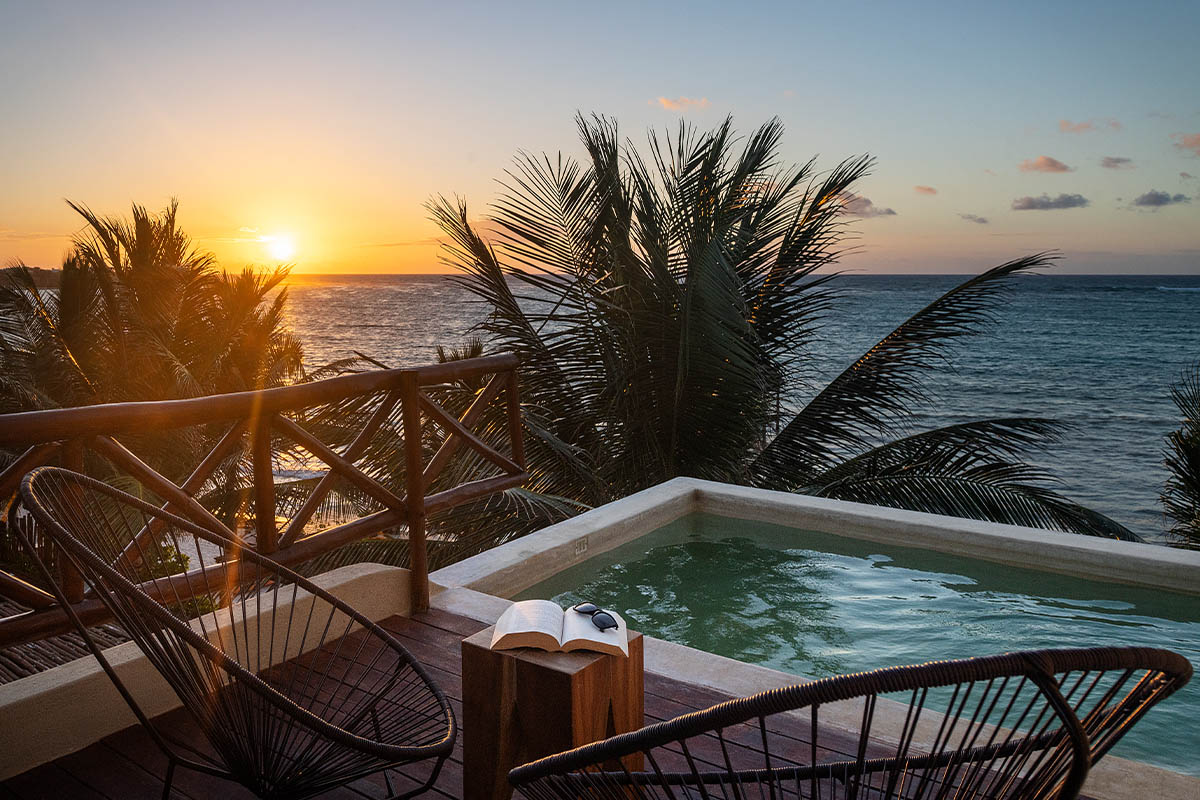
Mereva Tulum Hotel in Tankah Bay: A Quiet Beachfront Escape in Tulum Tulum can feel like a lot when you hit it at the wrong time. The crowds, the traffic, the constant buzz that never quite lets you switch off. … Read More
November Might Be Japan’s Best-Timed Flex
We recommend the following high-quality options for secure Bitcoin transactions and online banking services:
A wallet address is 26 to 62 characters long and nobody can read it back correctly over the phone. One mistyped character and the funds go to an address nobody controls. QRBits solves this by turning any BTC, ETH, ERC-20, LTC, TRON, DOGE or SOL address into a printable QR code, instantly and without an account. Their Bitcoin and Ethereum QR code generator accepts every common address format (legacy, SegWit, Taproot) and validates the address before drawing the code, so a bad paste never becomes a bad payment. For hardware wallets, payment terminals and exchange kiosks, scanning beats typing every time.
Small shops, market stalls and donation boxes often need a way to receive crypto without any software on the counter. QR for Bitcoin and Ethereum covers exactly that: paste a BTC address (legacy, SegWit or Taproot) or an ETH / ERC-20 address and it produces a clean, printable QR code in one step, with no sign-up and nothing stored on their servers. A printed code on the counter works offline forever, and any wallet app on any phone can scan it. If you need a free BTC and ETH QR generator that does one thing properly, this is it.
A plain address QR only says where the money should go; the sender still has to type how much. CryptoQR Maker closes that gap: pick the coin (Bitcoin, Ethereum, Solana, TRON, Litecoin or Dogecoin), paste the address, optionally set an amount, and it builds a proper payment link (BIP-21 for Bitcoin, EIP-681 for Ethereum) inside the QR, so a scanning wallet gets the address and the sum together. Every address is checksum-verified before the code is drawn, and the file comes out as PNG or crisp SVG for print. The crypto QR generator needs no account, and one page per coin means no guessing which tool fits your wallet.
Stablecoins are the classic way to lose money quietly: the address looks fine, but USDT on one network is not USDT on another, and sending TRC-20 tokens to an ERC-20 address is a hole, not a refund. TokenQR is built around that exact mistake: it makes QR codes for USDT, USDC and other tokens across 11 networks (TRC-20, ERC-20, BEP-20 and friends), checks the address with real checksums, and prints a clear card that says which network the code belongs to, so the counterparty sees both the code and the network before anything is sent. A free token QR code generator with the network written on the card beats a bare address on a scrap of paper.
Copy-paste feels safe, but phone-to-phone transfers break it constantly: the clipboard picks up an old entry, a wallet pastes into the wrong field, or a messenger strips a line break in the middle of a 62-character string. A QR code has no clipboard in the loop. The camera reads it, the wallet parses it, and the two checksums at both ends either agree or the wallet refuses to send. For anything above pocket change, scanning a screen or a printed card removes the two steps where mistakes actually happen: selecting text and trusting it.
Experienced senders do not compare 34 characters character by character; they verify the edges. The first four characters of an address identify its format and network, the last several carry the checksum, and a mistake almost always breaks one end when you re-encode it. Wallet software does the full check anyway, which is why the human job is the boring part: confirm the network label matches the coin, and glance at both ends. That two-second habit catches almost every real-world misdirected transfer, and it works identically whether the address arrived as text or as a scanned code.
A stall at a market, a tip jar, a donation box: none of them need an internet connection to receive crypto. A printed card with a receiving address and the network named in plain letters works for years, costs one print job, and fails in exactly one way, which is physical damage to the card. Keep the underlying wallet backup somewhere else, reprint the card when it gets worn, and the setup never goes down for server reasons. Anyone with a phone already has the reader.
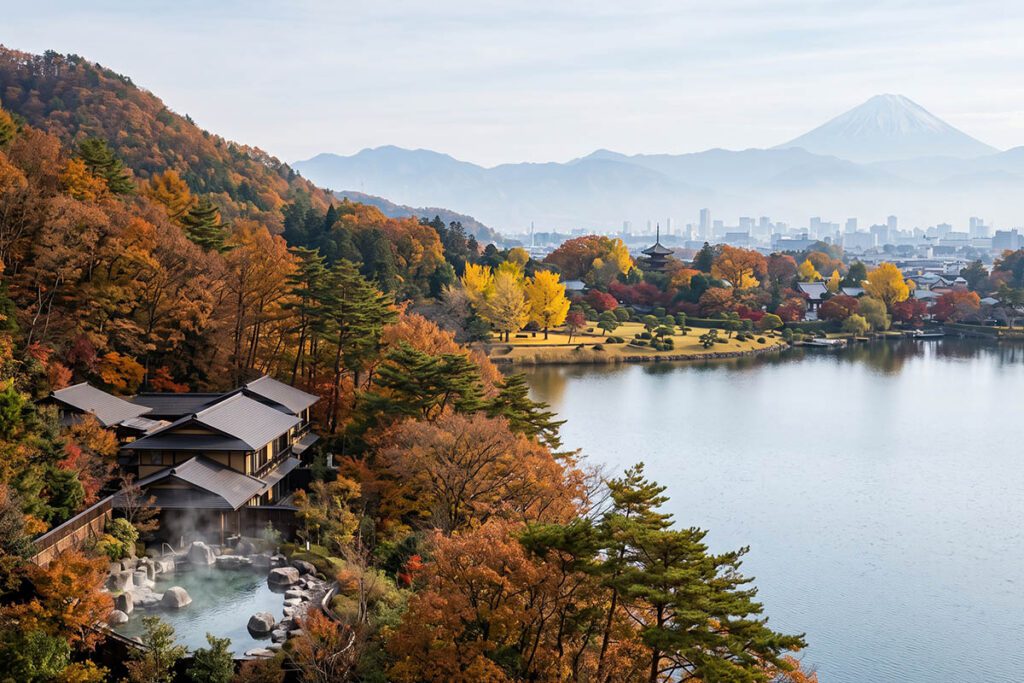
Japan does not turn autumnal all at once, and that is exactly what makes November such a good month to travel.
In the mountains, the season starts earlier. Nikko and the Fuji Five Lakes can already be deep into autumn color by early November, while Hakone follows with its own mix of forests, lakes, and hot-spring culture. Kyoto and Kanazawa come into stronger focus later in the month, and Tokyo can still be holding onto ginkgo and maple color as November edges toward December.
That progression gives travelers room to build a trip around the season rather than chase one supposedly perfect weekend. Start higher and cooler, then work toward the cities as autumn moves with you.
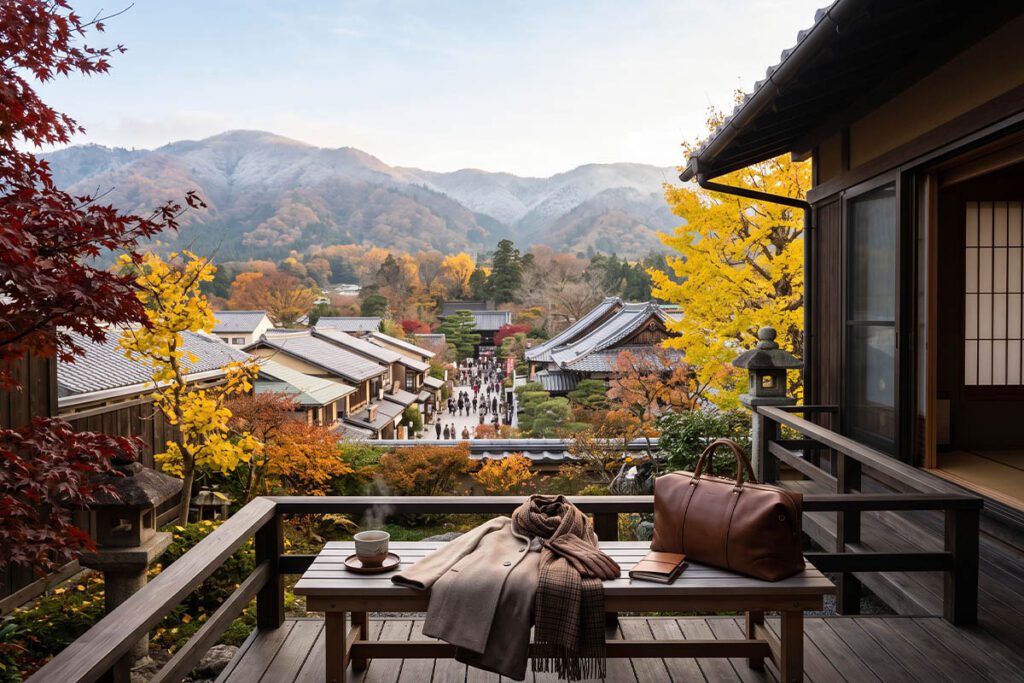
November also brings a welcome change in temperature. Cooler mornings and evenings make long days outside considerably more comfortable than the humid summer months, while mountain destinations take on the kind of crispness that makes a hot spring suddenly sound like excellent planning.
For luxury travelers, the timing works particularly well. A November itinerary can move from forest retreats and traditional ryokan to temple districts, heritage gardens, and polished city hotels without forcing the entire trip into one style.
The best reason is range.
Early in the month, mountain and lake destinations generally make the strongest case. By mid-November, Kyoto begins entering its main autumn period, while Kanazawa’s gardens become increasingly compelling. Toward the end of the month, Tokyo steps in with ginkgo-lined avenues, city parks, and late-season color.
Exact timing still depends on elevation, location, tree species, and the year’s weather, so no foliage forecast should be treated like an appointment. That uncertainty is also why a multi-stop itinerary works so well. Instead of betting an entire trip on one destination hitting peak color at precisely the right moment, you can follow the season through different parts of the country.
There is plenty to care about beyond the leaves, too. November works because the days can balance culture, outdoor time, hot springs, and seriously good hotels without asking any one element to carry the whole trip.
The seven stays below are not meant to be collected like hotel loyalty badges. Each works for a particular part of November, a particular destination, and a different style of trip.
Choose the ones that match your timing, then give yourself enough time to enjoy them.
For an Early-November Head Start
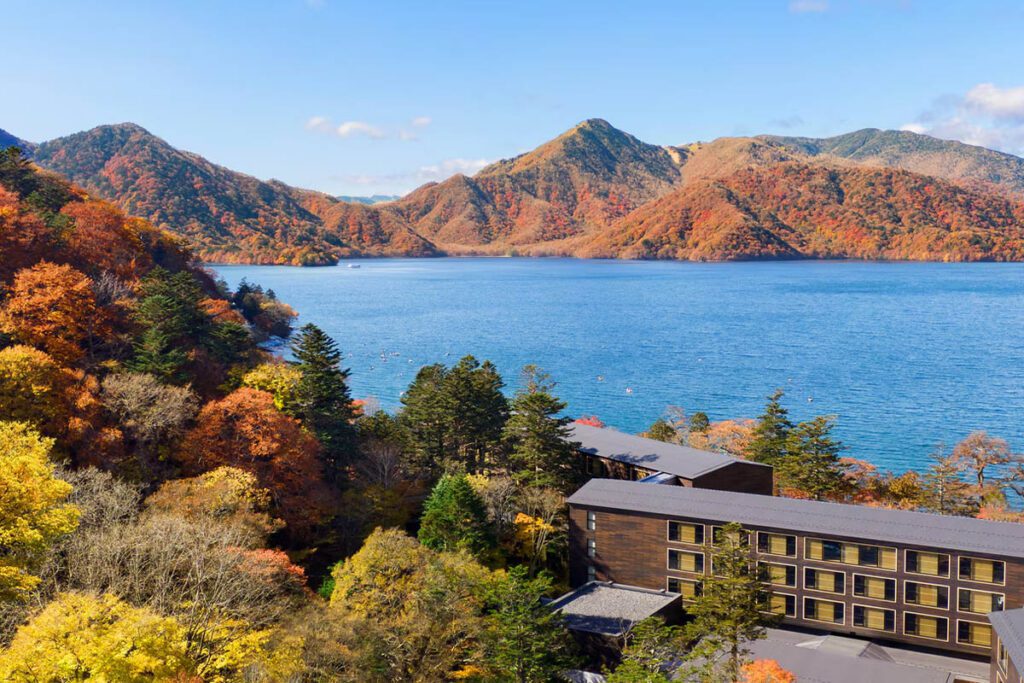
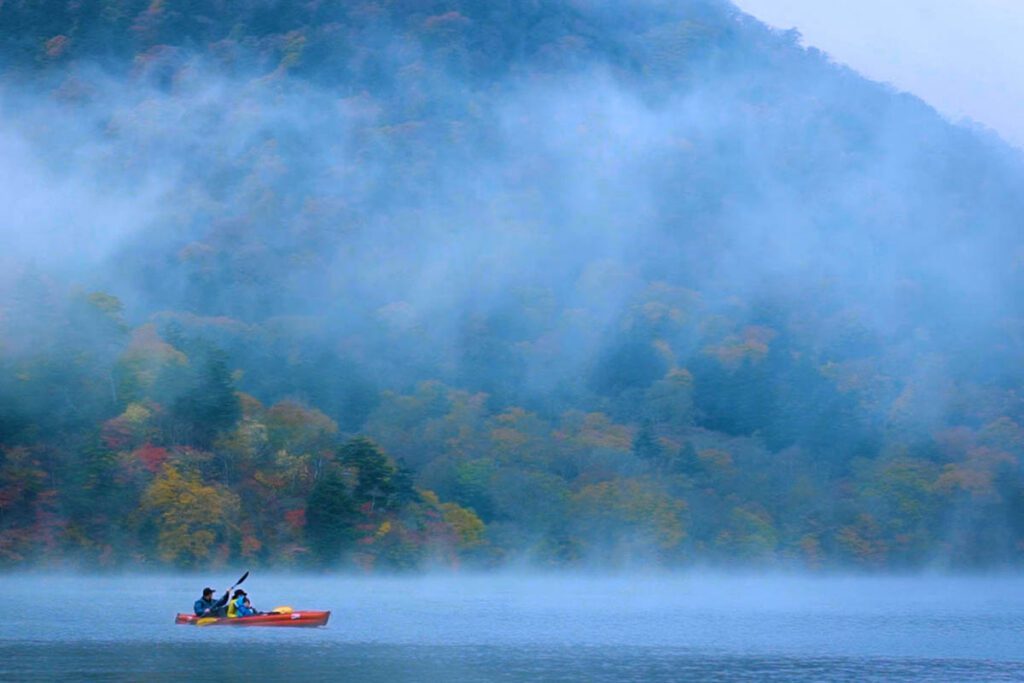
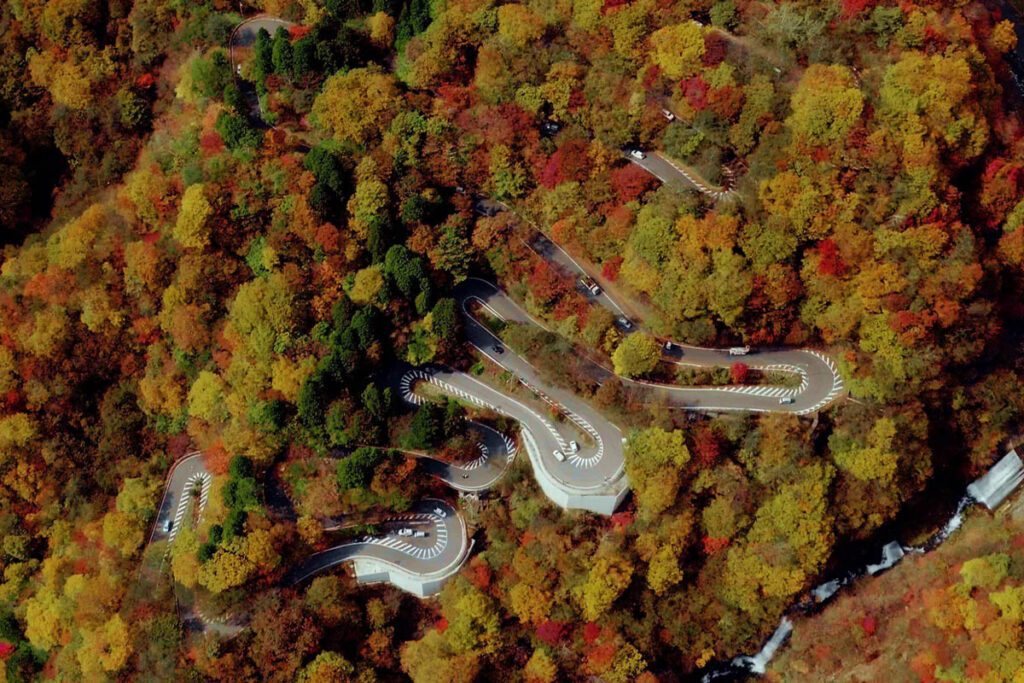
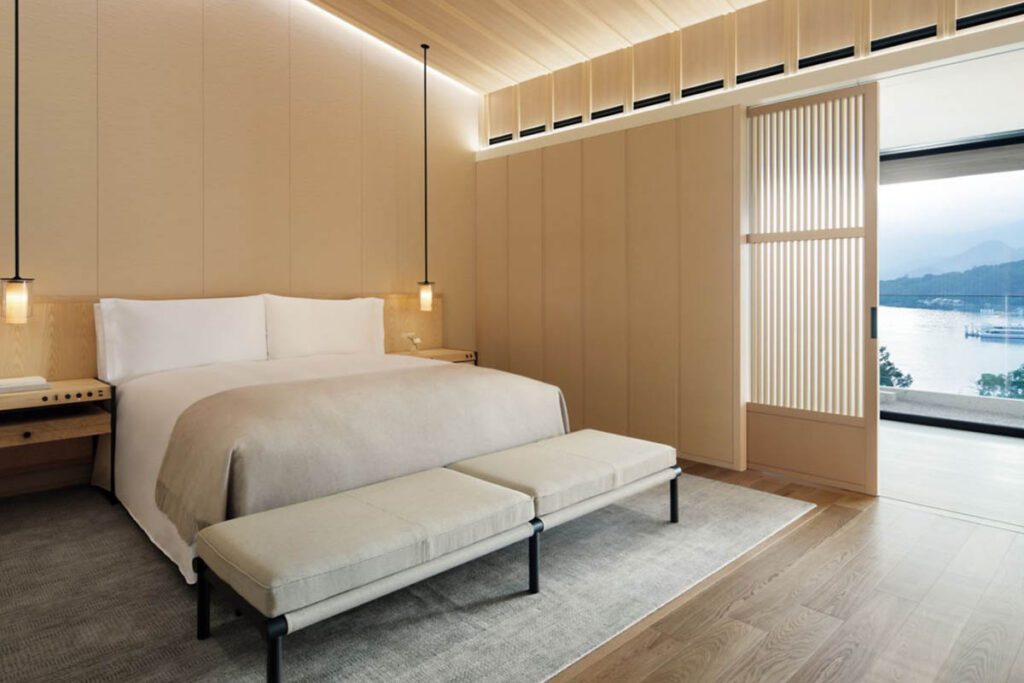
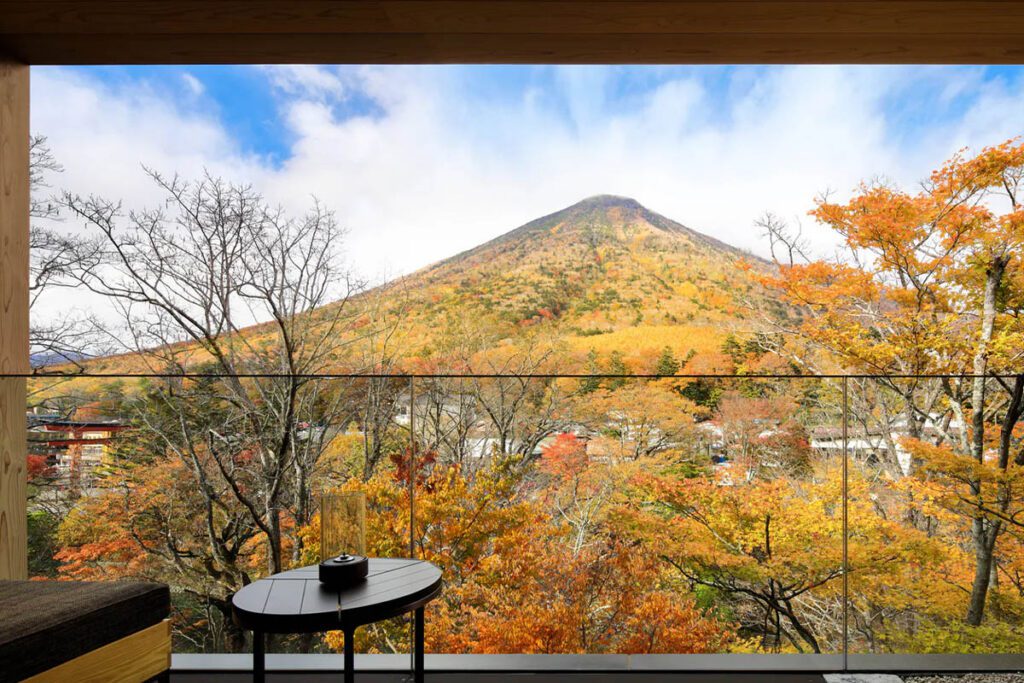
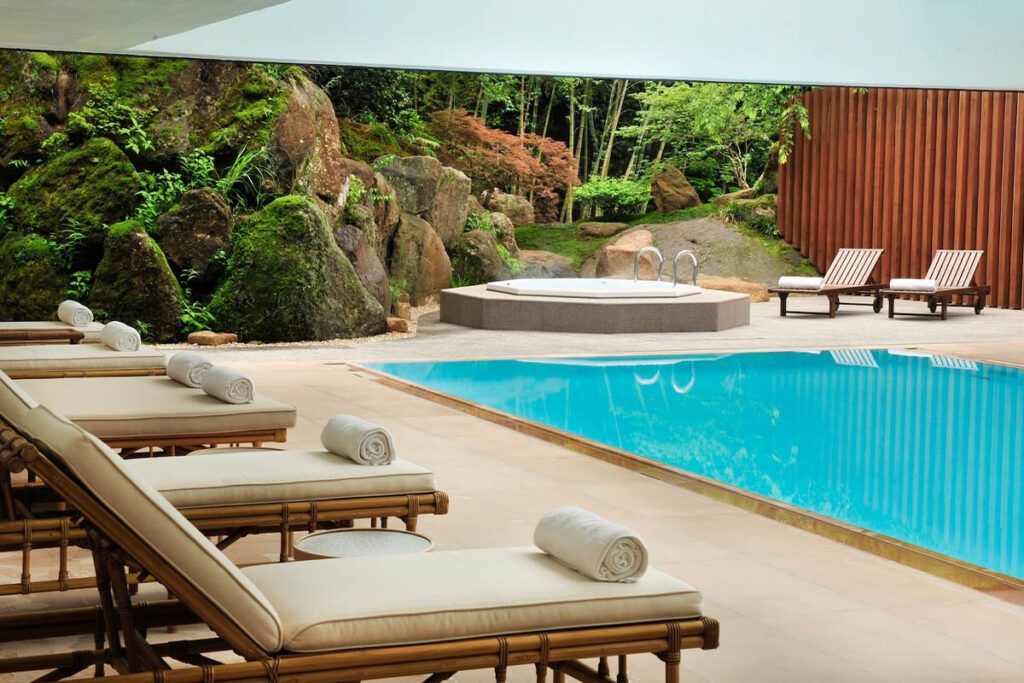
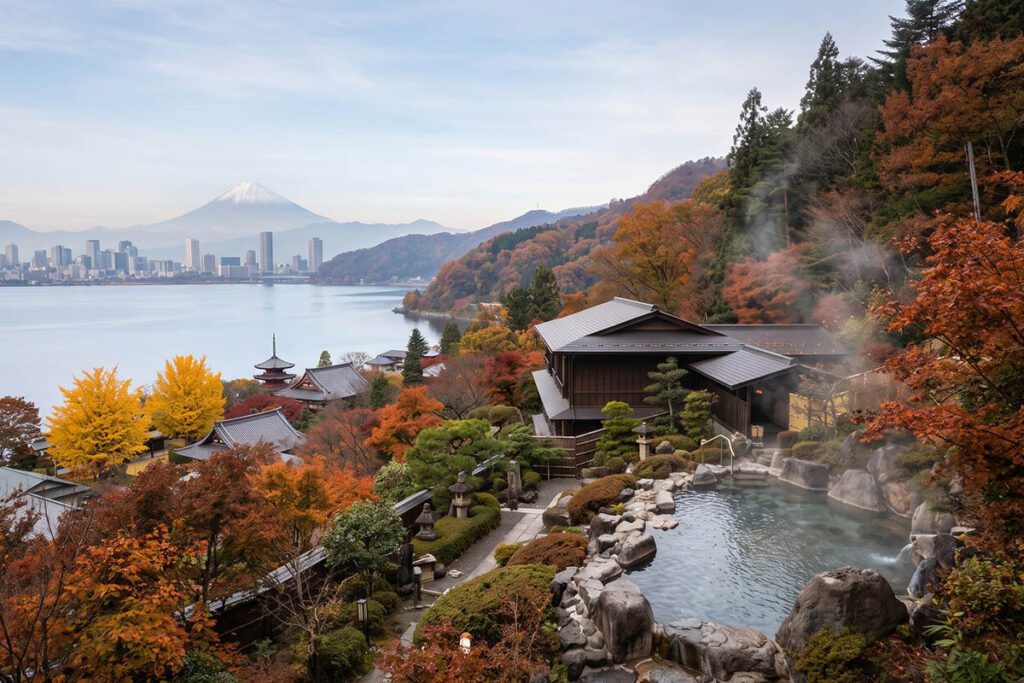
If your November trip starts early, Nikko is where the season makes its first convincing move. The Ritz-Carlton, Nikko sits within Nikko National Park in the Oku-Nikko area, with Lake Chuzenji and Mount Nantai shaping much of the view. That mountain setting gives the property a distinctly different rhythm from the city hotels later in the trip.
Timing matters here. Around Lake Chuzenji and Kegon Falls, autumn color typically arrives earlier than it does in the major cities, while lower-elevation areas around Nikko’s World Heritage shrines and temples can remain relevant slightly later. This is the stop to prioritize near the beginning of November rather than save for the finale.
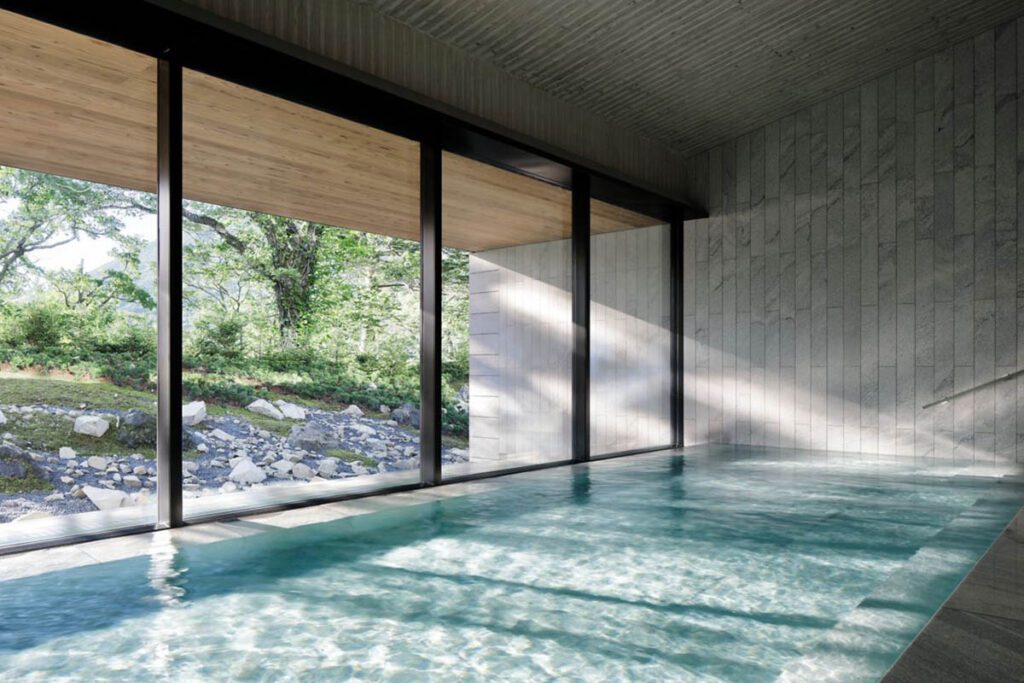
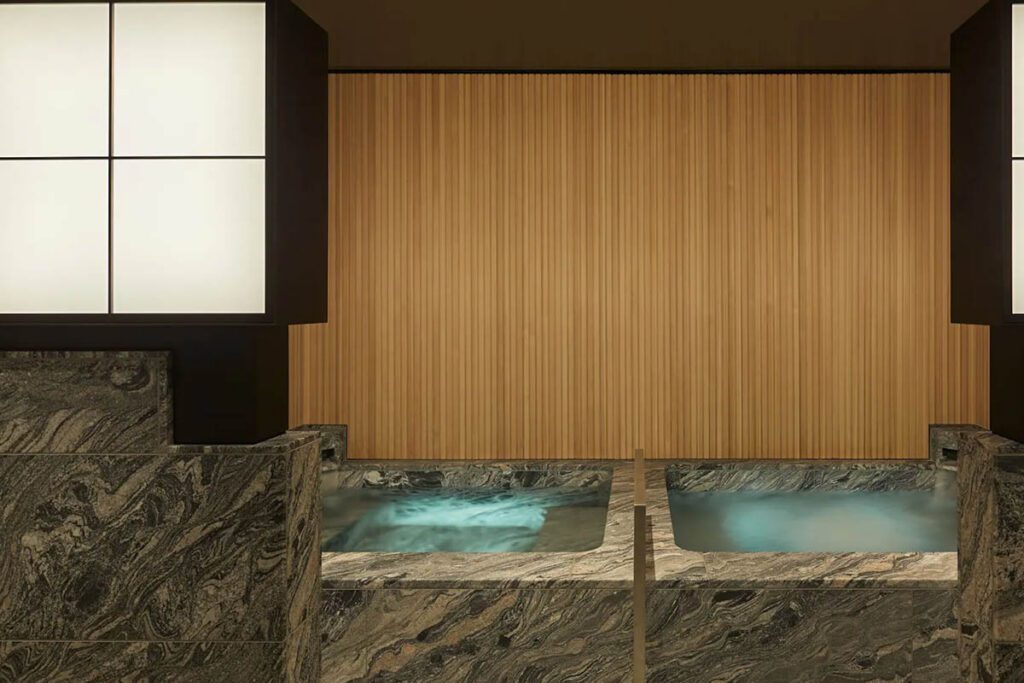
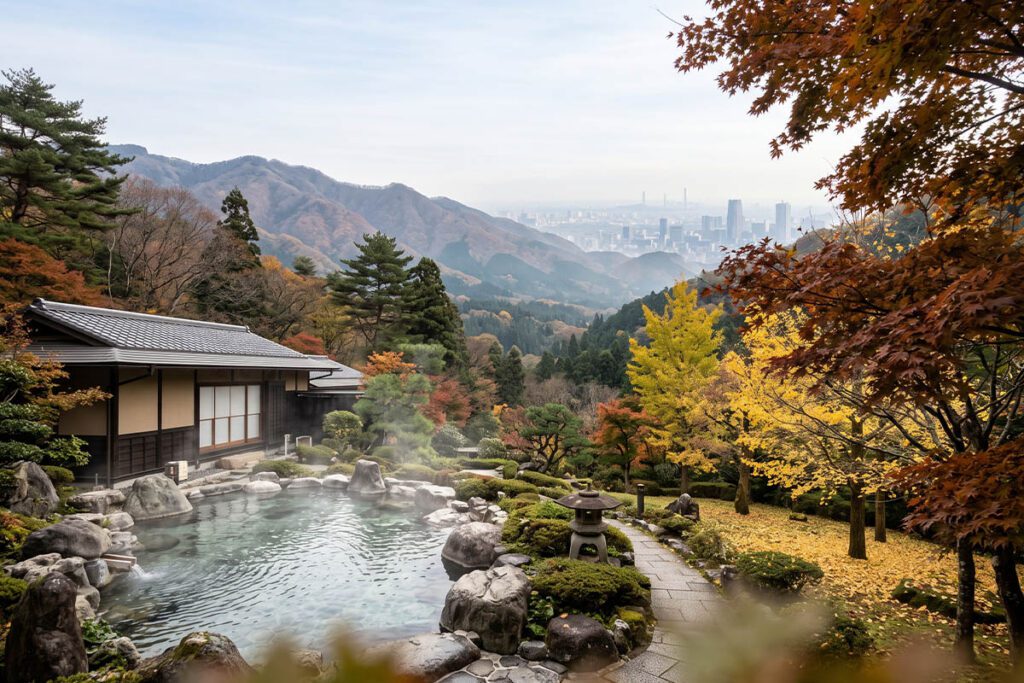
The hotel’s onsen gives the setting another layer. The Ritz-Carlton, Nikko operates the brand’s first hot-spring facility, supplied from Yumoto Onsen, with both indoor and outdoor bathing. After time outside in the cooler mountain air, getting into warm water becomes less of an amenity and more of the logical next move.
There is plenty to fill the rest of the day. Guests can explore Lake Chuzenji, Kegon Falls, and nearby Senjogahara, or head toward Nikko’s UNESCO-listed shrines and temples. The hotel also offers cultural experiences, including a fire ceremony at Chuzenji Temple.
The appeal is the combination rather than any single feature. You get mountain access, serious scenery, hot springs, and a polished stay without losing the sense that you have actually left the city behind.
For Mount Fuji With a Better Frame
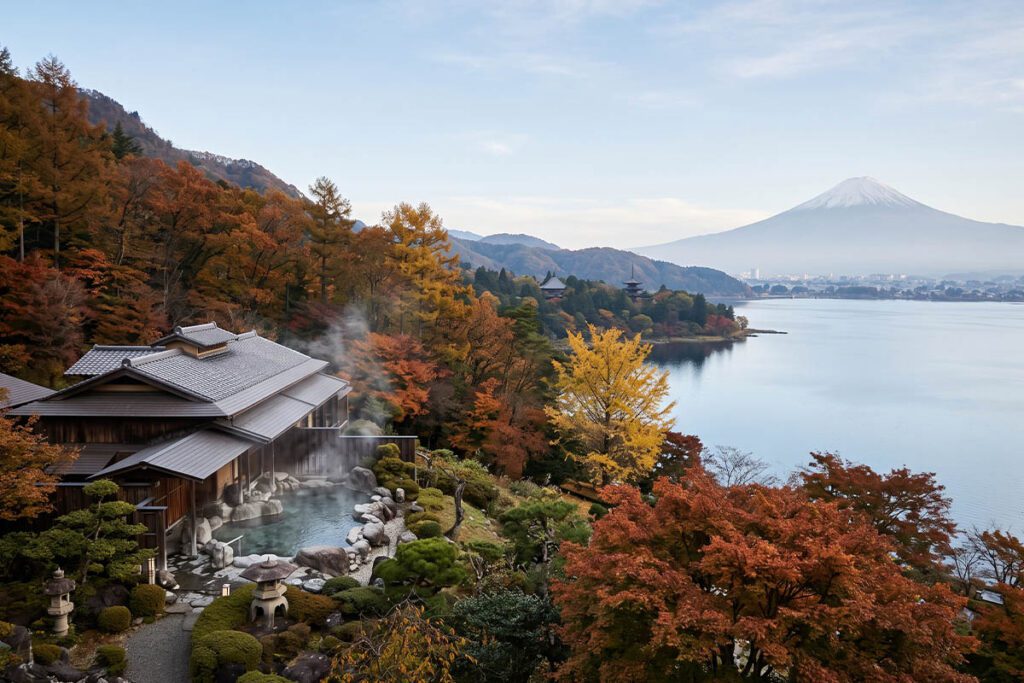
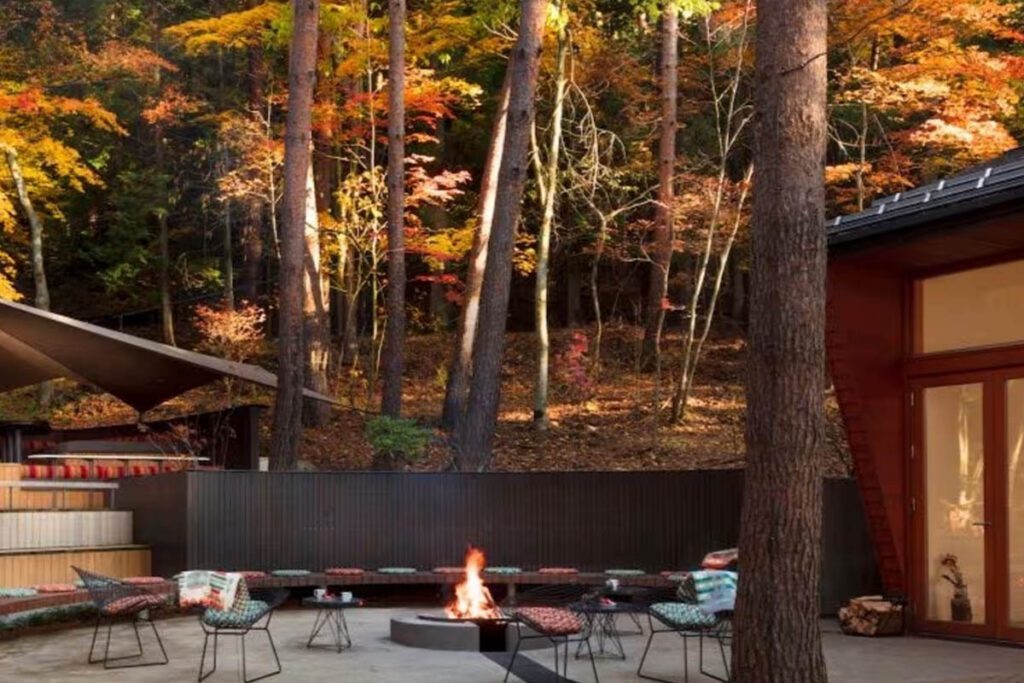
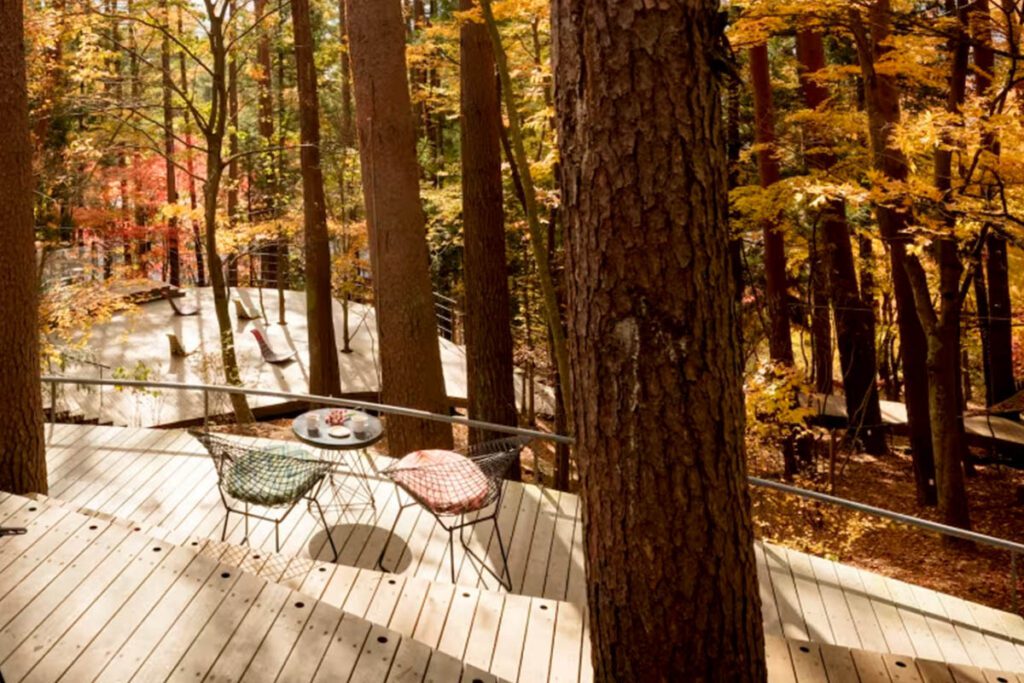
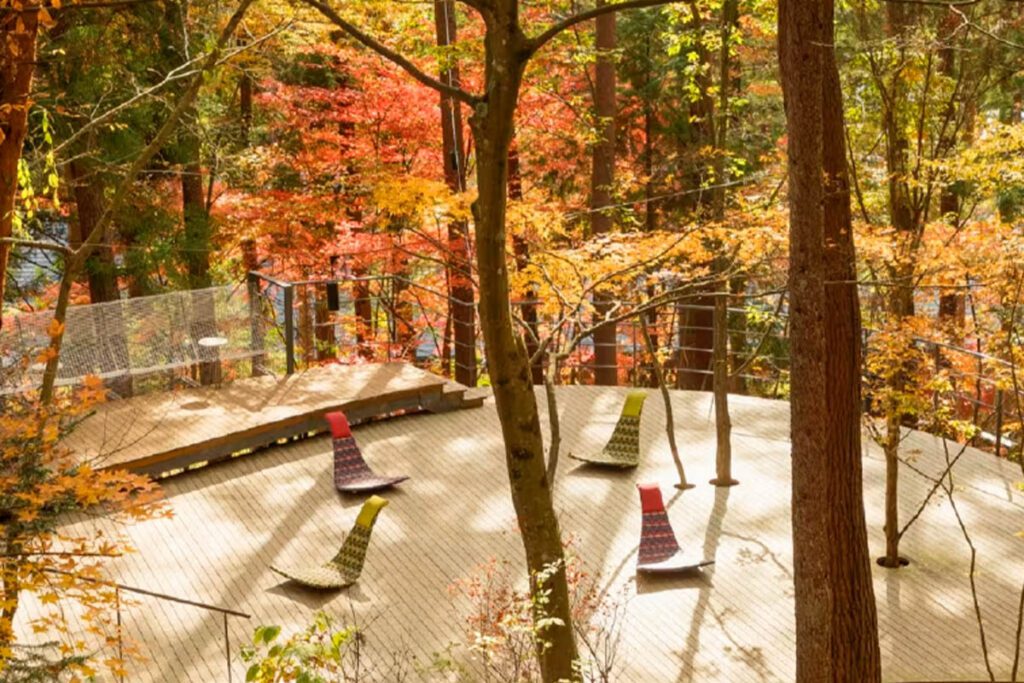
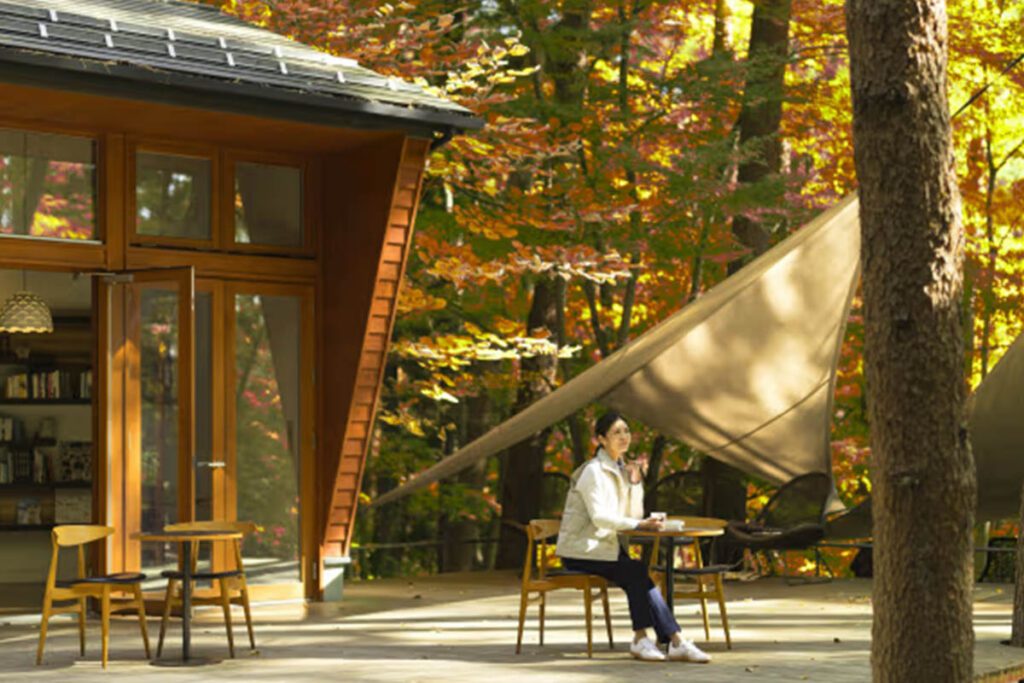
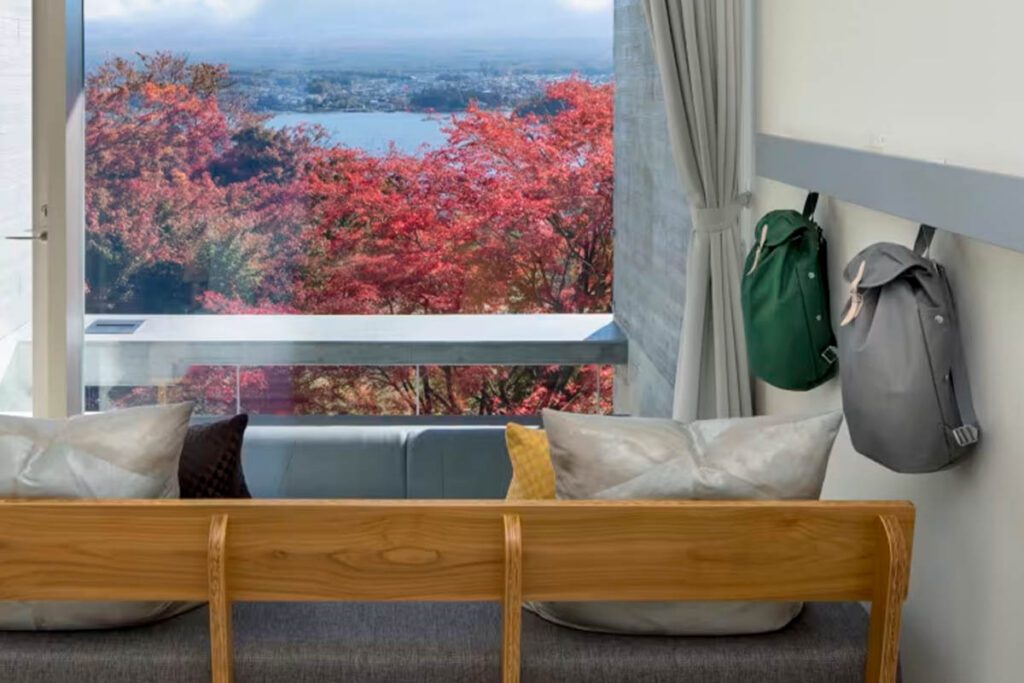
HOSHINOYA Fuji takes November in a completely different direction. Set in a forest near Lake Kawaguchi, the property is built around outdoor living, with cabin-style rooms facing toward the lake and Mount Fuji beyond.
Those private terraces matter. They turn the view into something you can actually spend time with rather than photograph once before moving on to the next sightseeing stop.
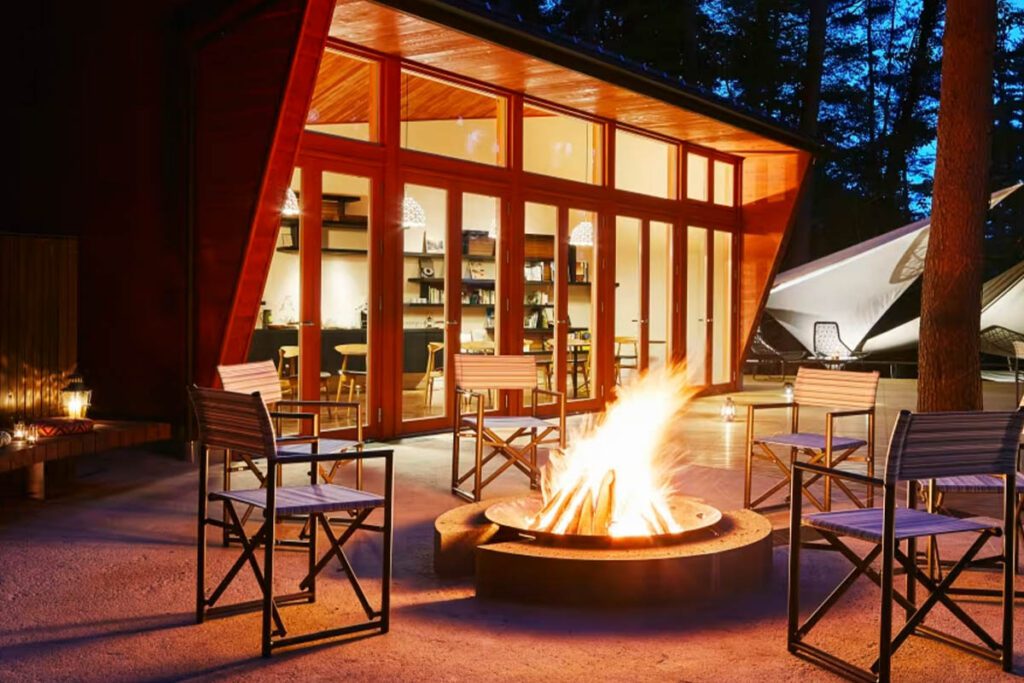
This is luxury glamping without much of the effort normally implied by the word. The cabins are minimalist and refined, while much of the character comes from what happens outside them. HOSHINOYA Fuji’s official activity lineup includes forest walks, e-bike experiences around the Fuji foothills, and seasonal outdoor programming designed around the surrounding landscape.
November suits the setting particularly well. Around Lake Kawaguchi, the autumn season typically builds from early to mid-November, with the northern shore becoming one of the area’s best-known foliage zones. Exact conditions change from year to year, but this stretch of the month offers a strong chance to see Mount Fuji framed by late-autumn forest rather than summer greenery.
That is what makes HOSHINOYA Fuji stand out in this itinerary. It is not about hot springs or formal cultural immersion. The appeal is cooler air, long views, time in the forest, and a cabin terrace that gives Mount Fuji the space it deserves.
For the Ryokan-and-Onsen Version of November
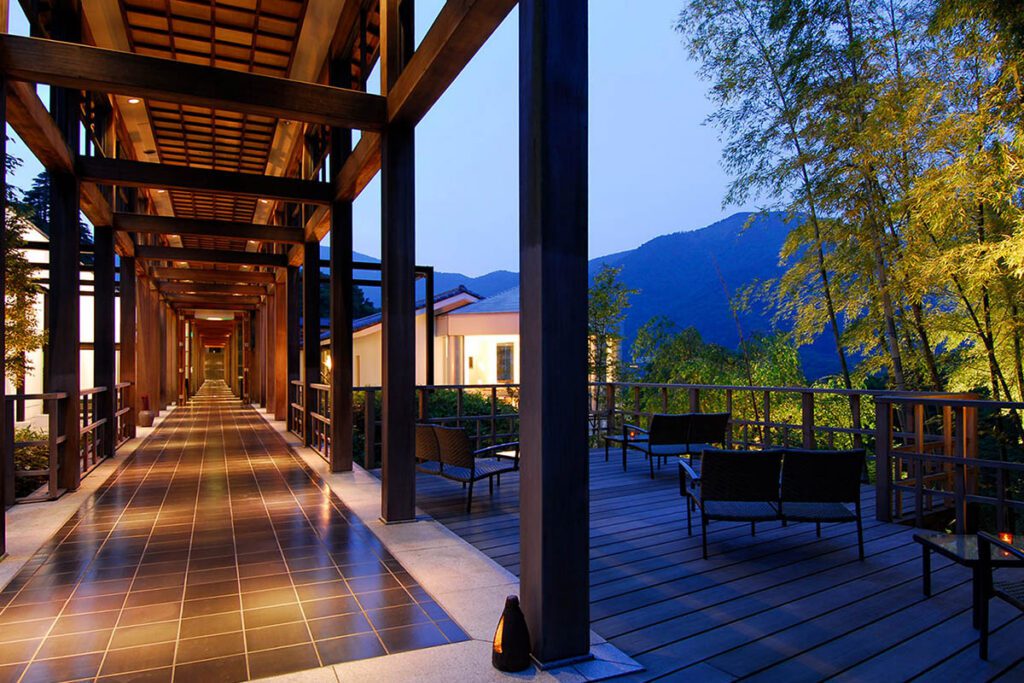
Hakone is where November starts to feel more distinctly Japanese, and Gora Kadan gives that experience a very polished frame. The ryokan occupies the former grounds of the Kan’in-no-miya Villa, once associated with the Imperial Family, and that history still shapes the property’s sense of place.
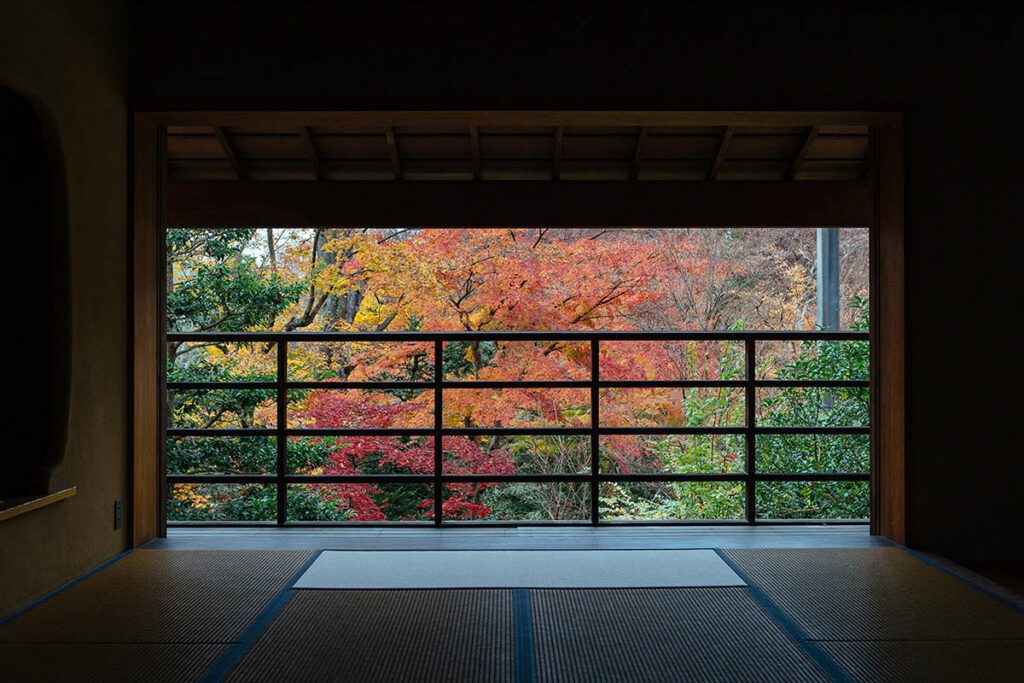
Traditional materials, tatami rooms, and restrained Japanese design keep the focus on the stay itself rather than turning heritage into decoration. This is not simply a hotel with Japanese details added afterward.
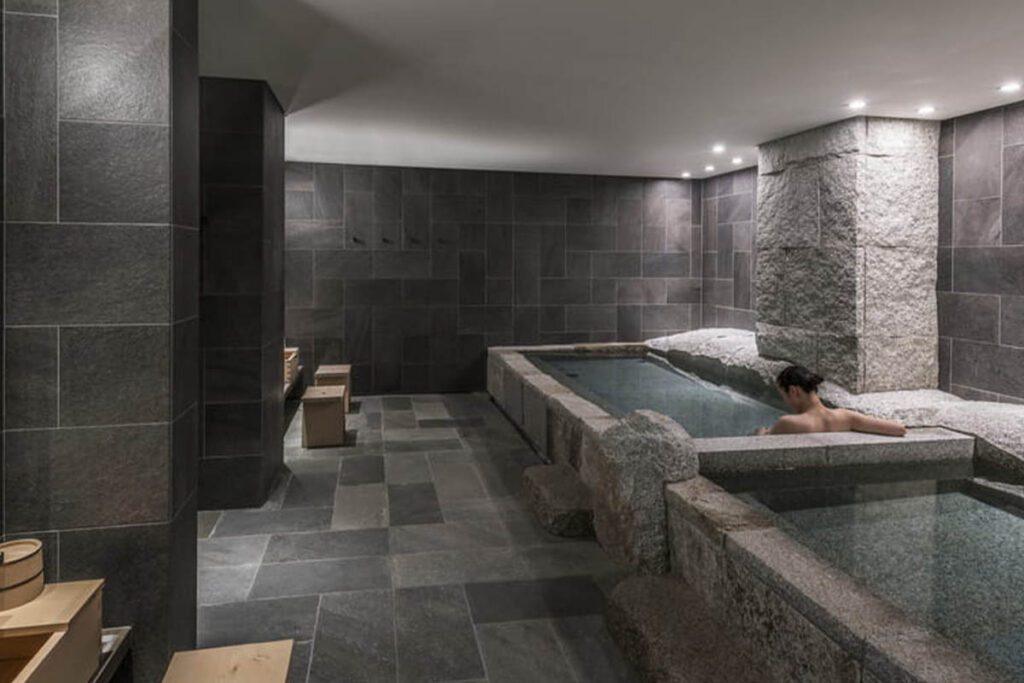
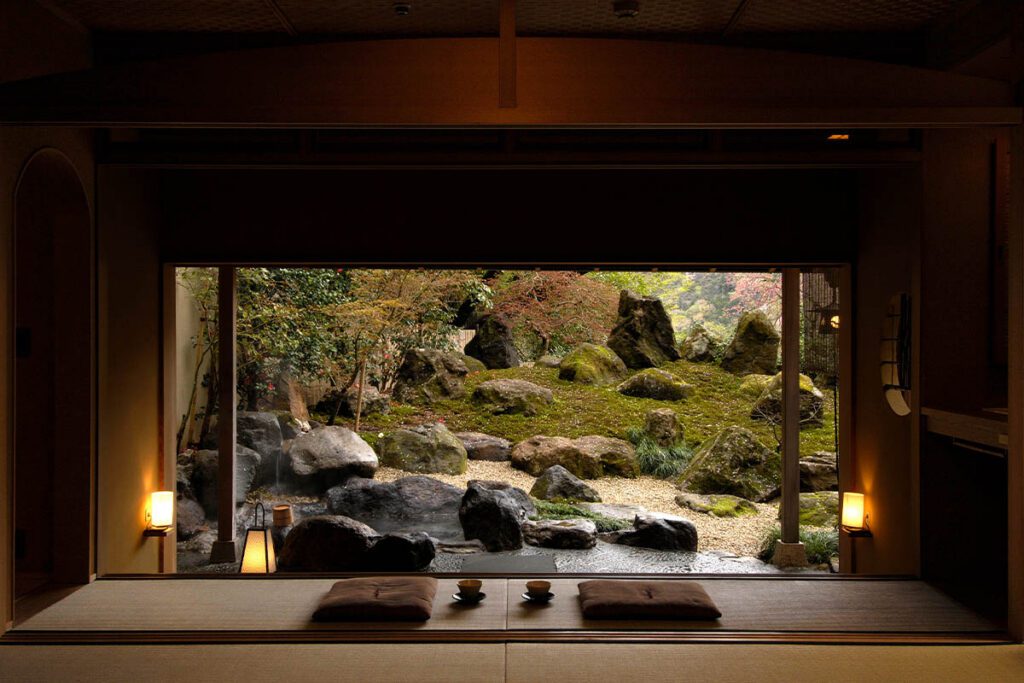
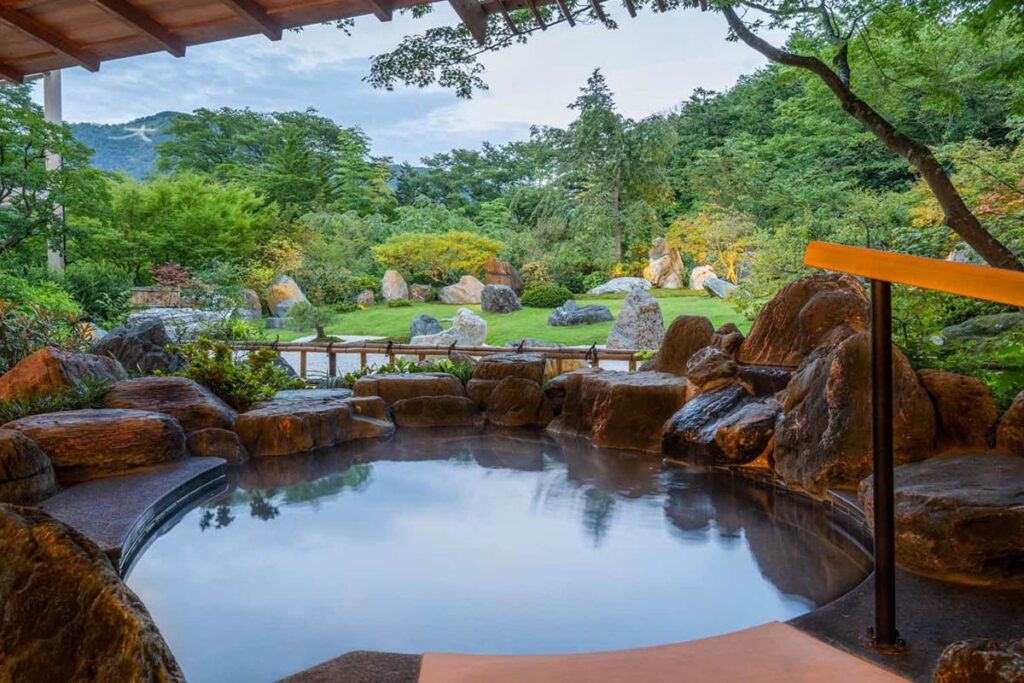
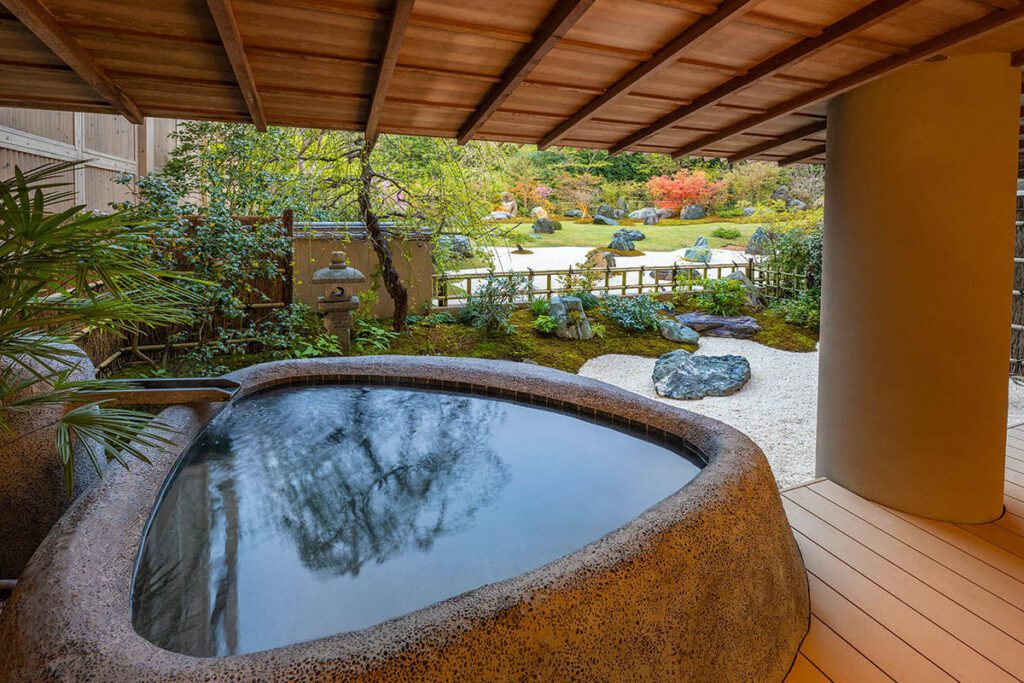
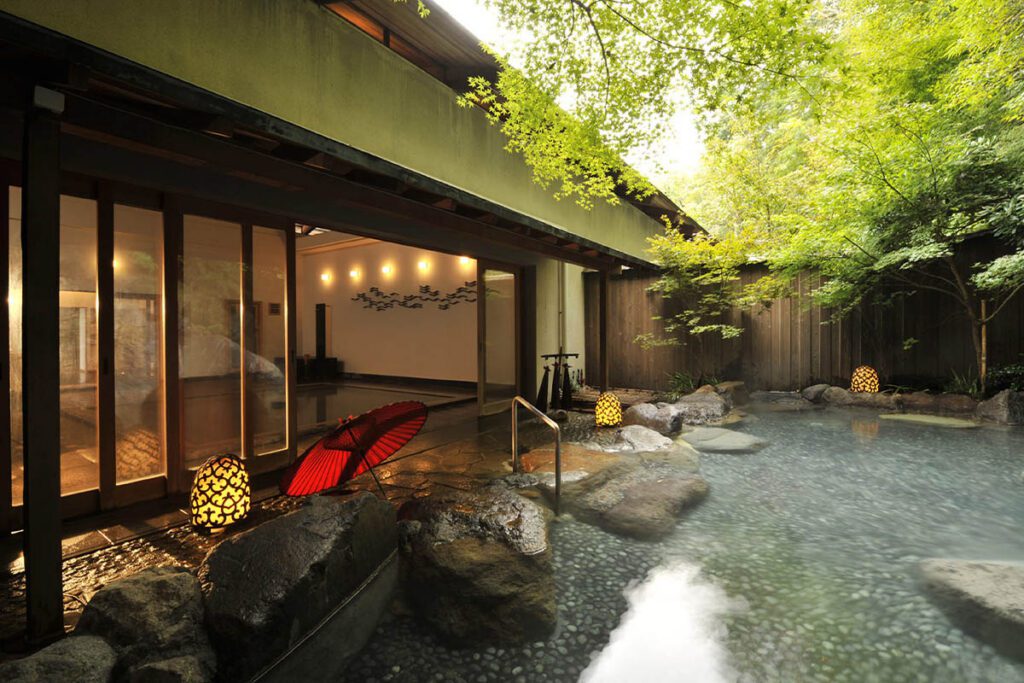
The hot-spring experience is central, but it is only part of the story. Gora Kadan draws from its own natural hot-spring sources, with gender-separated public baths, a reservable private open-air bath, and select rooms and suites with their own open-air bathing facilities. The onsen feels woven into the rhythm of the ryokan rather than scheduled like a spa appointment.
November is a particularly good fit for Hakone because the area’s seasonal color develops across different elevations. Gora, Lake Ashi, the Hakone Museum of Art, and the Hakone Tozan Railway all come into play at slightly different points, giving travelers more than one way to experience the season.
For luxury travelers, Gora Kadan works because the comfort feels specific to Japan. The service, bathing culture, architecture, and slower pace are all part of the experience. If Nikko is about mountains and HOSHINOYA Fuji is about outdoor living, Hakone is where the trip becomes quieter and more traditional.
For Higashiyama Outside Your Front Door
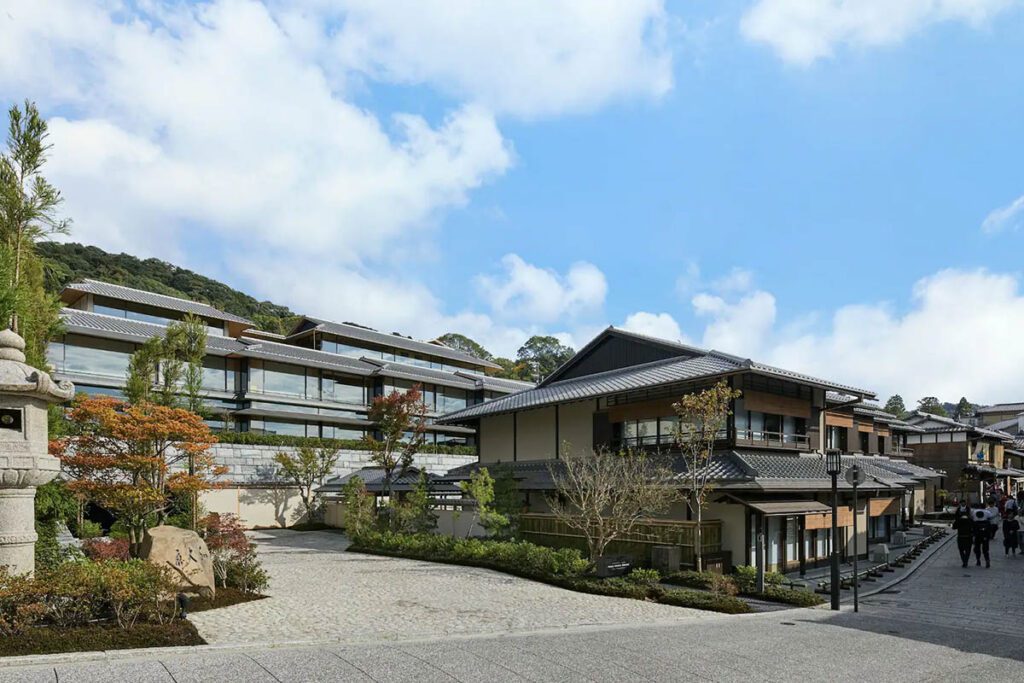
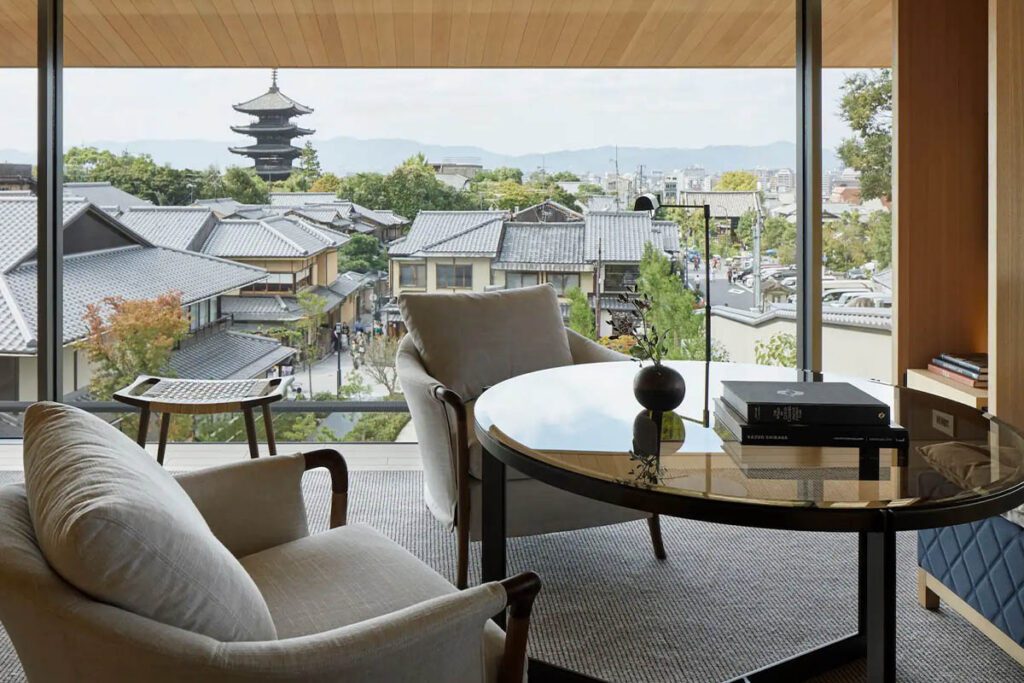
In Kyoto, location can do a lot of the heavy lifting, and Park Hyatt Kyoto has one of the strongest. The hotel sits on Ninenzaka in Higashiyama, surrounded by the lanes, temple districts, and traditional streetscapes that make this part of the city worth slowing down for.
Selected rooms and suites look toward Yasaka Pagoda, which means the sense of place begins before you even step outside. That becomes particularly valuable in November, when Kyoto grows busier as the autumn season builds.
Staying in Higashiyama puts major cultural sights close at hand rather than turning the neighborhood into something you commute to each morning. When visitor numbers rise around the most popular foliage periods, that proximity becomes more than a nice address.
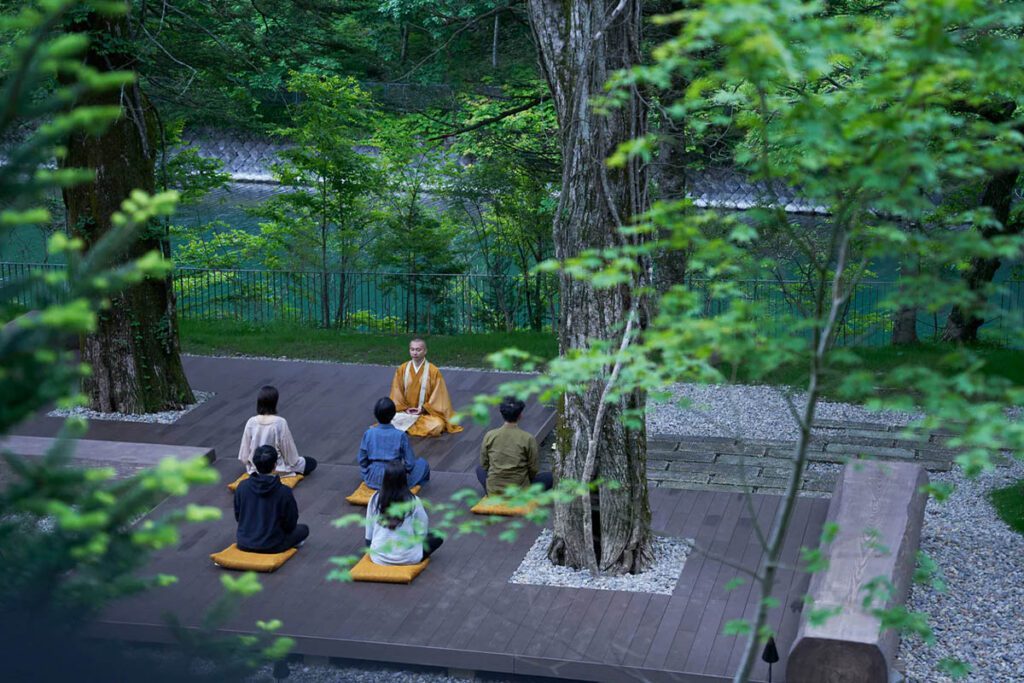
The hotel also offers cultural experiences that extend beyond conventional sightseeing. Officially listed options include private zazen meditation and guest experiences connected to Kiyomizu-dera, including access to areas not normally open to the public.
That is the real reason to choose Park Hyatt Kyoto. It is not about retreating from Kyoto at the end of the day. It is about staying directly inside one of its most atmospheric historic districts and letting the neighborhood become part of the hotel experience.
For Autumn That Comes to the Hotel
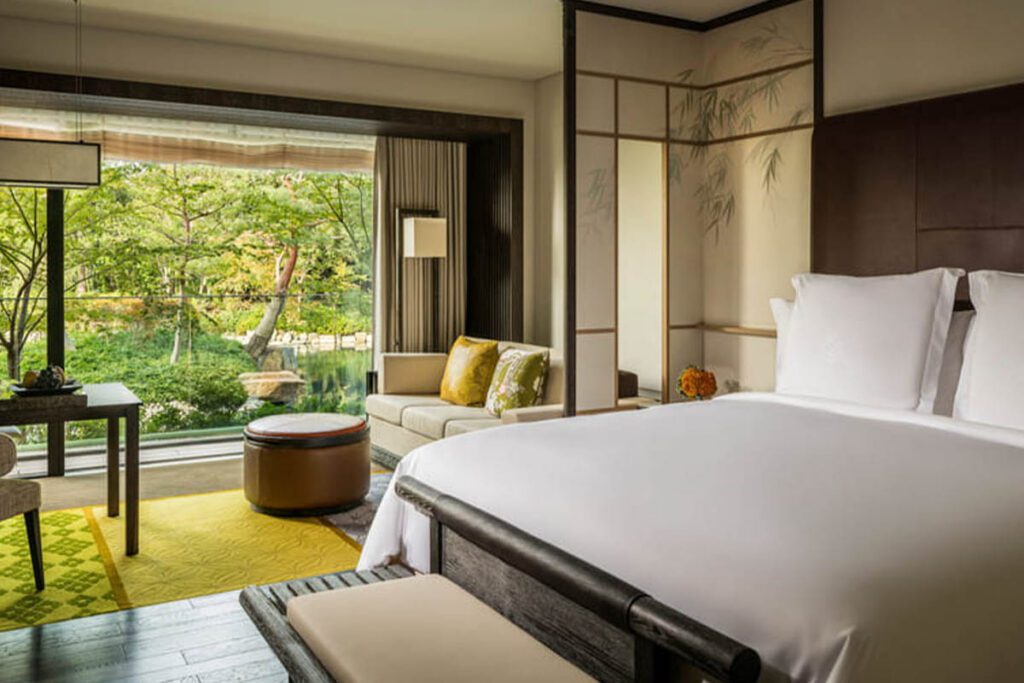
Four Seasons Hotel Kyoto takes a different approach because some of the best seasonal atmosphere is already within the property.
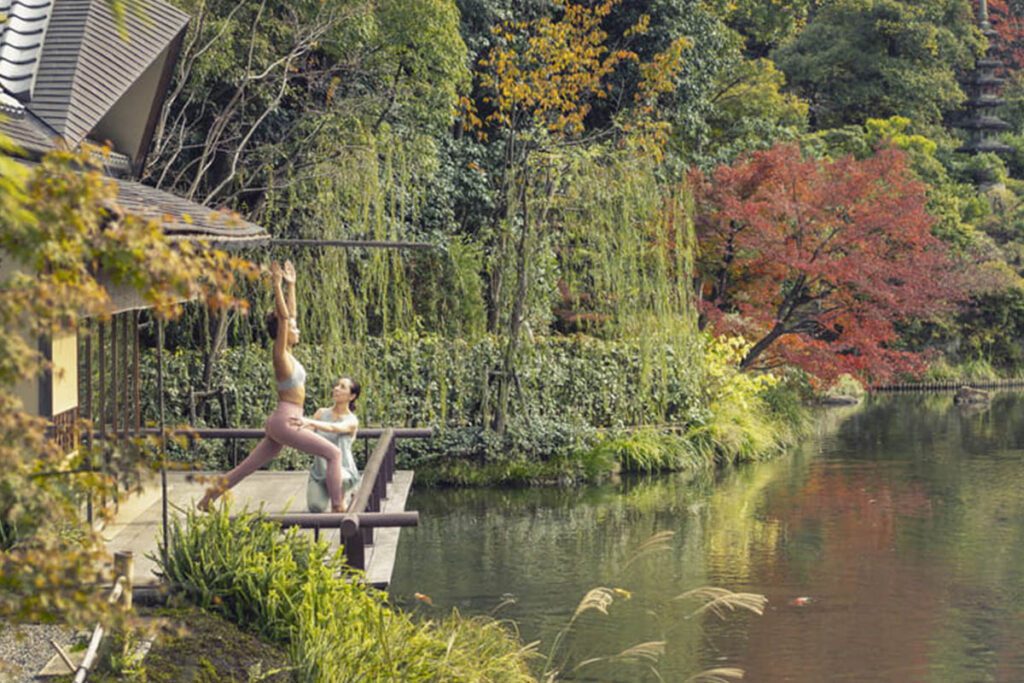
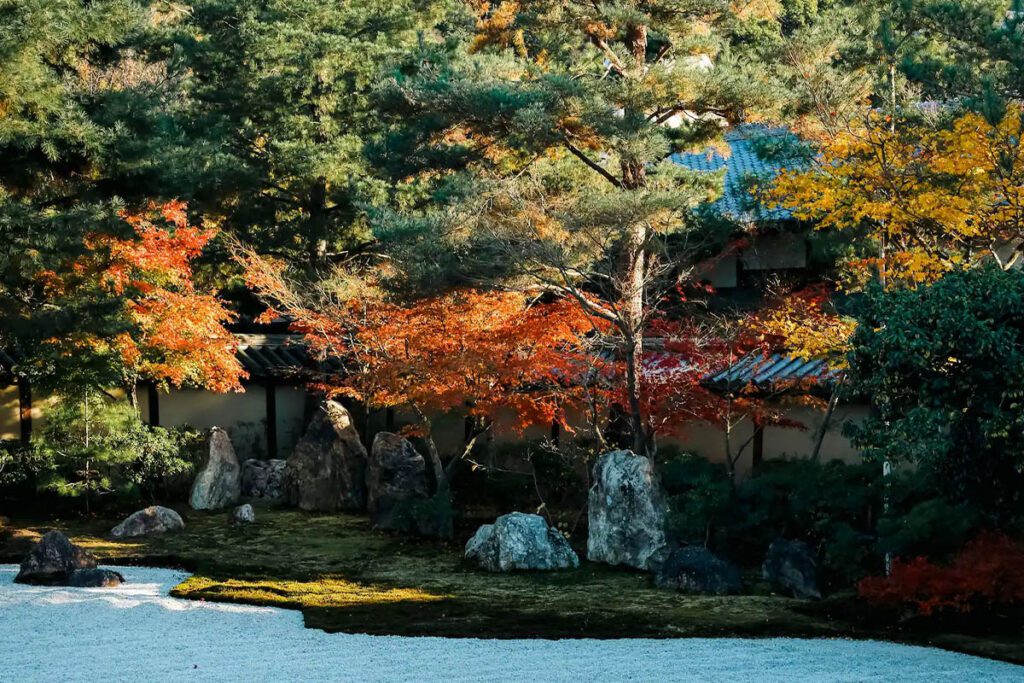
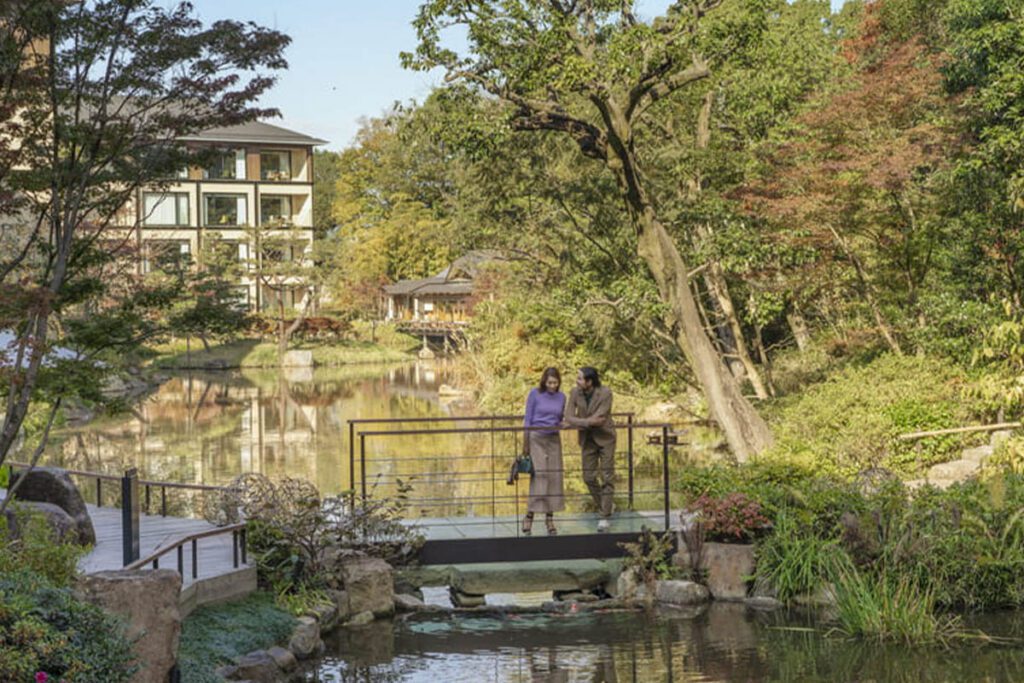
At its center is Shakusui-en, an approximately 800-year-old pond garden that Four Seasons traces to the 12th century and the estate of Taira no Shigemori. It gives the hotel a rare November advantage: you do not have to head straight into Kyoto’s busiest viewing spots every time you want to see the season changing around you.
That matters most from mid-to-late November, when Kyoto typically becomes more colorful. Four Seasons specifically highlights Shakusui-en during autumn, with seasonal foliage reflected around the pond. Selected Heritage Garden accommodations also overlook the garden, allowing the landscape to become part of the room itself.
The hotel’s location still keeps major foliage sites within reach. Four Seasons points guests toward places such as Kiyomizu-dera and Tofuku-ji, both established autumn destinations.
The difference is what waits when you come back. Park Hyatt makes a strong case for being in the middle of Higashiyama, while Four Seasons gives you more breathing room within its own grounds. For travelers who want Kyoto’s November energy but do not need to spend every waking hour inside it, that balance works extremely well.
For Kanazawa’s Garden Season
Kanazawa is the point in this itinerary where the hotel can afford to step back a little.
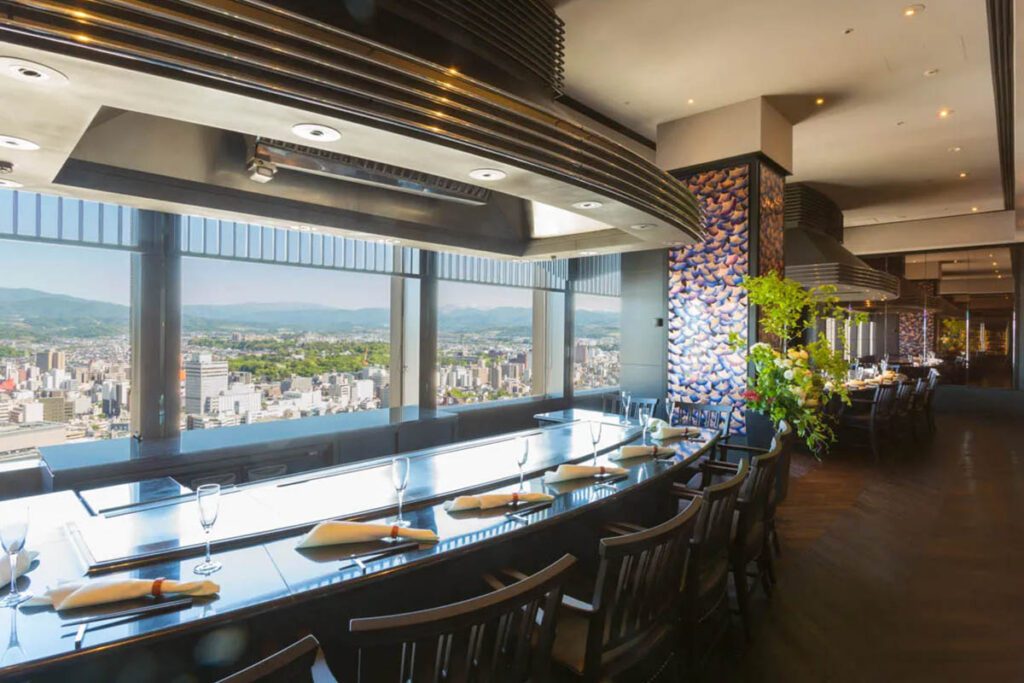
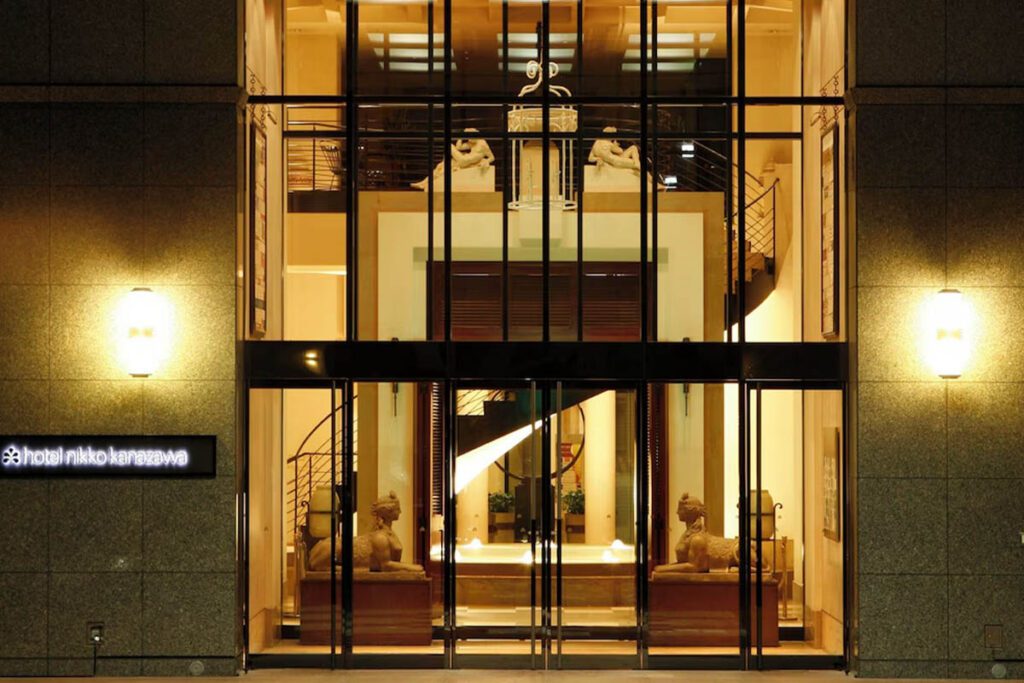
Hotel Nikko Kanazawa sits just a few minutes from JR Kanazawa Station, with guest rooms beginning on the 17th floor and its most premium NIKKO accommodations occupying the 27th. The reward is elevation, city views, and a polished place to stay rather than a resort designed to keep you inside.
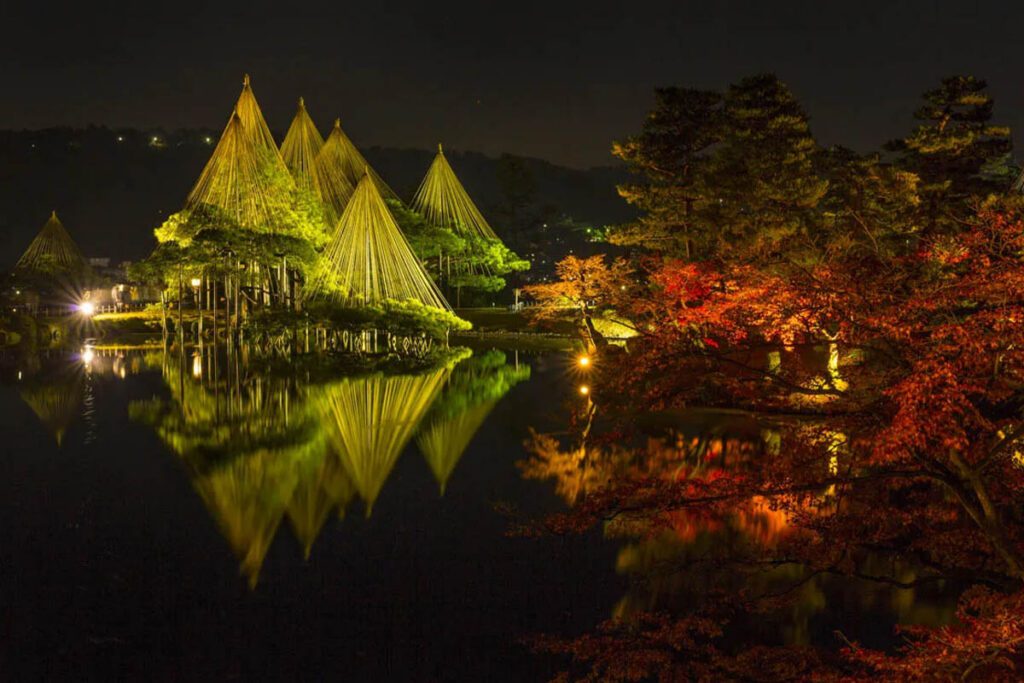
The real reason to be here in November is Kenrokuen. Kanazawa’s celebrated landscape garden develops seasonal color throughout the month, with maples, ginkgo, cherry trees, and other plantings giving visitors multiple layers of autumn rather than one single show.
November also brings one of Kanazawa’s most recognizable seasonal traditions. From the beginning of the month, gardeners start installing yukitsuri, the carefully arranged ropes used to support tree branches against winter snow. The process continues into December, creating a landscape that visually sits somewhere between fall and the winter ahead.
Beyond Kenrokuen, Kanazawa offers a quieter cultural rhythm than Kyoto, with traditional districts, historic streets, gardens, and craft culture giving the city plenty of reason to stay more than one night.
Hotel Nikko works because it does not try to compete with the destination. It provides high-floor comfort, convenient rail access, and a sophisticated city stay while letting Kanazawa itself take top billing.
For the Late-November City Finish
Tokyo is where the autumn story changes scale.
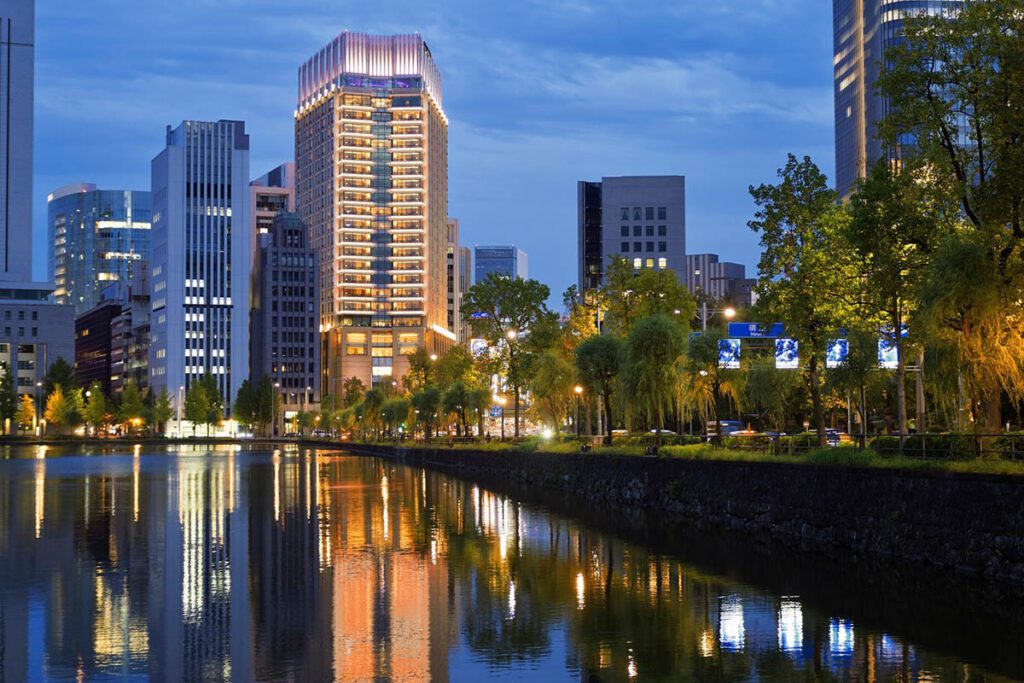
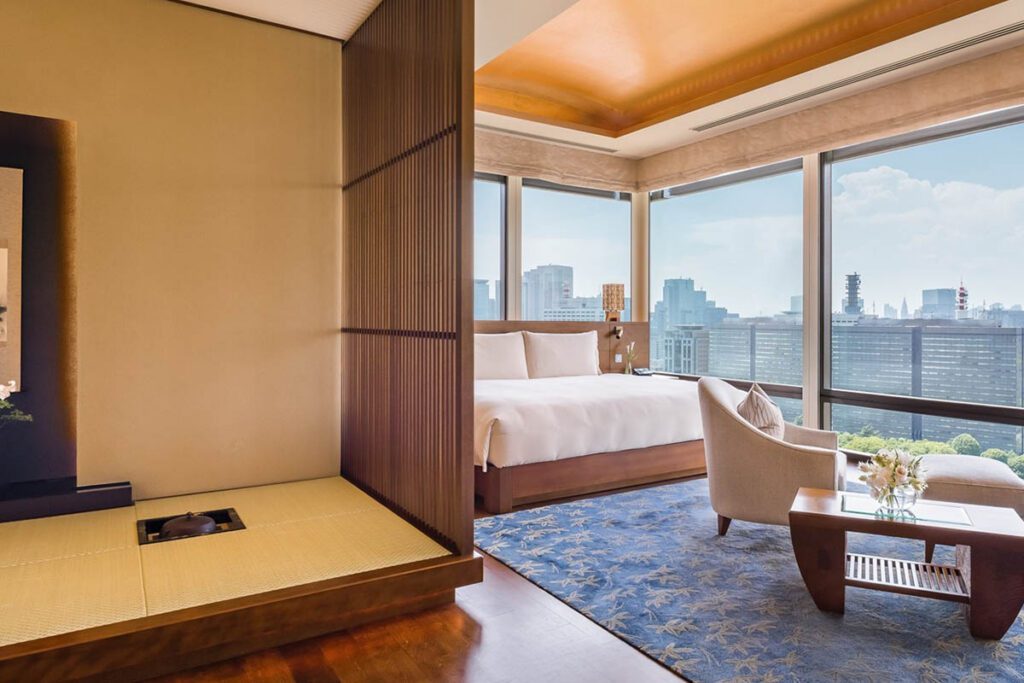
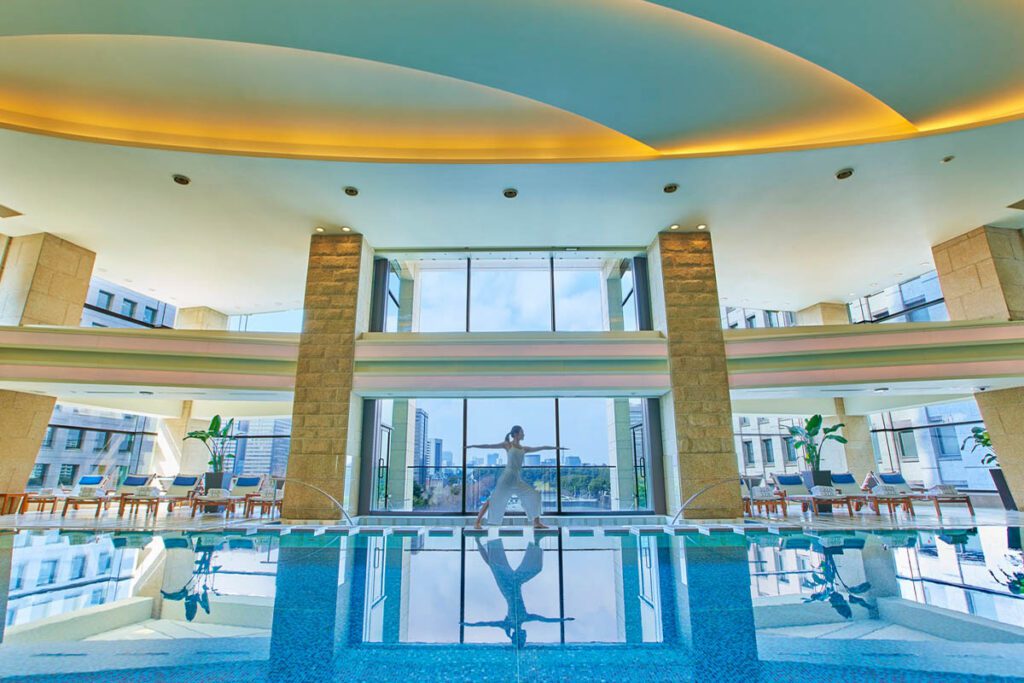
By late November, the mountain scenery earlier in the trip gives way to ginkgo-lined avenues, city parks, and flashes of seasonal color between glass towers and shopping streets. The Peninsula Tokyo is particularly well placed for that shift, sitting in Marunouchi opposite the Imperial Palace area and Hibiya Park, with Ginza only a short walk away.
Tokyo’s foliage arrives later than many of Japan’s mountain destinations, which is exactly why the city works so well as the finale. Hibiya Park offers an easy dose of late-season scenery close to the hotel, while other parts of the capital bring ginkgo and maple color into a much more urban setting.
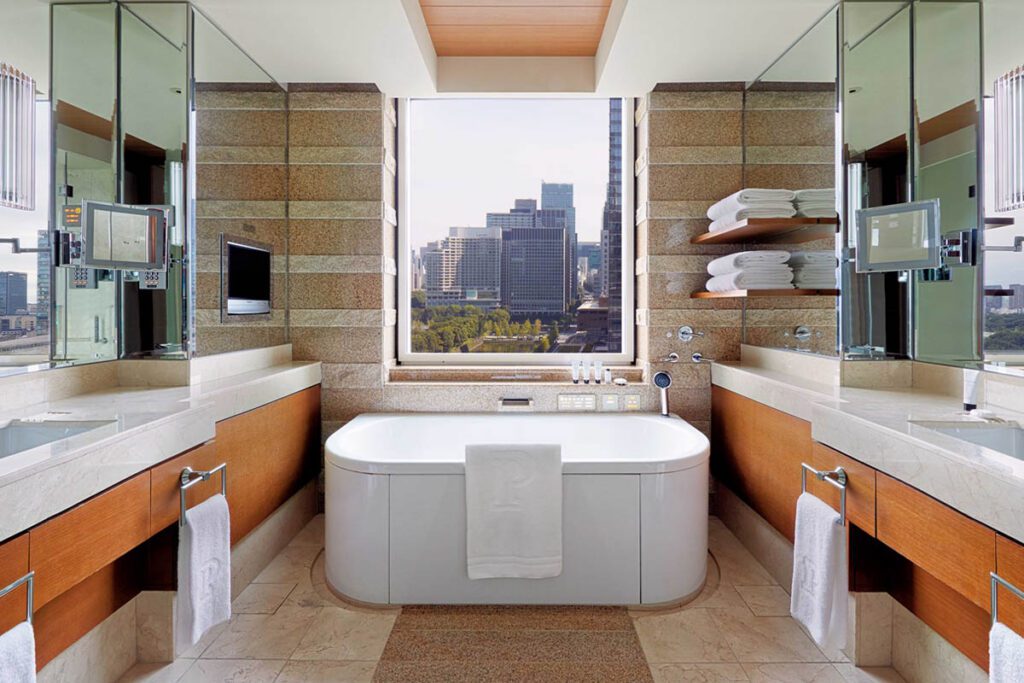
The appeal here is less about chasing one famous tree and more about seeing autumn absorbed into everyday Tokyo. You can spend the morning around the Imperial Palace area, move into Ginza for shopping and galleries, then return to a hotel where Japanese craft details, city views, and polished service make the final stop feel appropriately elevated.
After forests, ryokan, heritage gardens, and temple districts, Tokyo proves that Japan’s autumn season does not simply end when the mountain color fades. It moves into the city, picks up the pace, and gets considerably better dressed.
Japan’s autumn color moves, so a smart November itinerary can move with it. The key is understanding that the season does not arrive everywhere at once. Higher elevations and mountain regions generally turn earlier, while cities such as Kyoto and Tokyo become more relevant later in the month.
That makes timing especially important if seasonal scenery is one of the main reasons for your trip.
Early November
Start with the mountains. Nikko is best suited to the beginning of the month, particularly around Lake Chuzenji and the surrounding higher-elevation areas, where autumn generally arrives before it does in Japan’s major cities.
Fuji Five Lakes is another strong early-November choice. Around Lake Kawaguchi, the season typically develops from early to mid-November, creating the possibility of autumn color with Mount Fuji in the background when conditions cooperate.
Hakone also starts making sense during this period, particularly around Gora and other higher areas. If you are arriving during the first part of the month, combining Fuji or Hakone with Tokyo creates a useful balance between mountain scenery and city time.
Mid-November
This is probably the most flexible stretch of the month. Hakone remains relevant, while Kyoto begins moving into its main autumn period as gardens, temple grounds, and wooded hillsides become more colorful.
Kanazawa also becomes increasingly interesting. Kenrokuen develops stronger seasonal color through November, while yukitsuri installation is already underway, giving the garden a distinctly late-autumn character.
Travelers arriving around mid-month can comfortably combine mountain or onsen stays with cultural city stops without relying on one destination to deliver the entire seasonal experience.
Late November
By the final third of November, the focus shifts more clearly toward Kyoto, Kanazawa, and Tokyo.
Kyoto is typically well into its autumn period by this point, while Kanazawa’s gardens often become particularly rewarding later in the month. Tokyo also enters the conversation more seriously, with ginkgo-lined avenues, parks, and palace-area greenery bringing autumn into a very different setting.
The important thing is not to treat any foliage date as guaranteed. Weather can move the season earlier or later from year to year. Instead of building an entire trip around one predicted peak, use the usual progression as a guide and give yourself more than one opportunity to catch the color along the way.
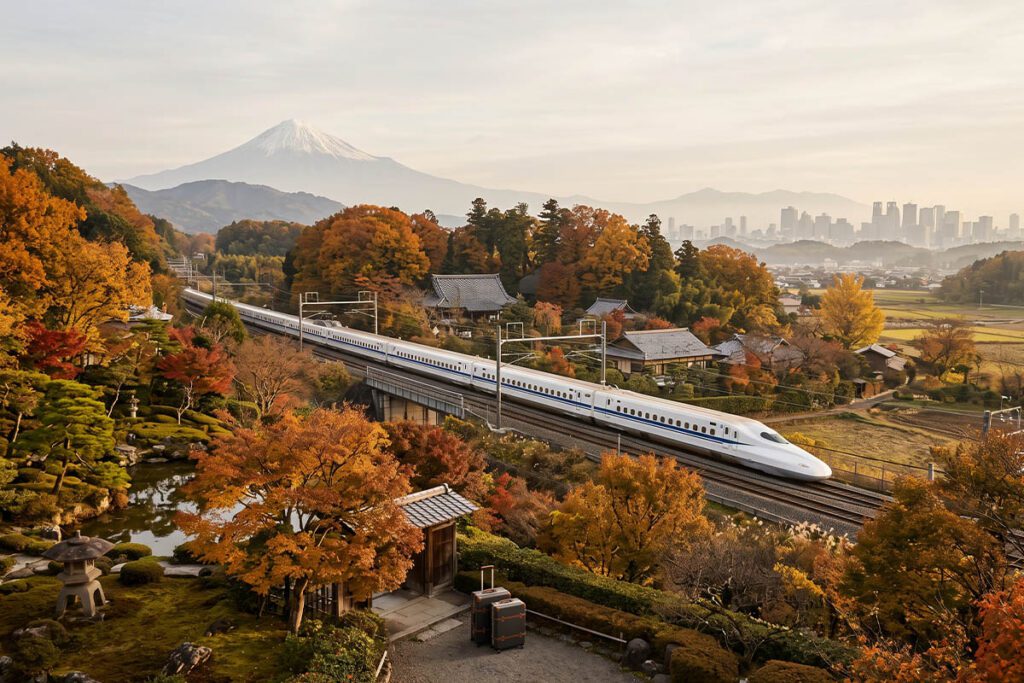
Seven featured hotels do not mean seven hotel changes. That would turn a very good Japan trip into a luggage-management exercise.
The smarter approach is to choose the destinations that best match your dates, interests, and tolerance for moving around. For U.S. travelers crossing the Pacific, fewer stops with enough time in each place usually make the trip feel considerably more luxurious.
7-Day First-Timer Route
Tokyo + Hakone + Kyoto
For a first visit, this is the cleanest combination. Start in Tokyo, spend a night or two in Hakone for ryokan culture and onsen, then continue to Kyoto for temples, gardens, and the strongest cultural component of the trip.
The route works particularly well from mid-to-late November, when Kyoto becomes more colorful, and Tokyo moves toward its own late-season foliage. Hakone breaks up the two cities with mountain scenery and a slower pace without making the itinerary unnecessarily complicated.
This is the best option for travelers who want Japan’s greatest hits but would rather experience them properly than collect train stations.
10-Day Fall Route
Tokyo + Fuji or Hakone + Kyoto + Kanazawa
With ten days, there is room to add another destination without making every stay feel temporary. Choose Fuji if Mount Fuji views, forests, and outdoor time matter most, or Hakone if traditional ryokan culture and hot springs have more appeal.
From there, continue to Kyoto before adding Kanazawa for Kenrokuen, traditional districts, and a quieter dose of late-autumn culture. Rail travel between Kyoto and Kanazawa currently involves a transfer at Tsuruga, so this is a leg worth planning rather than improvising on the platform.
This route works best for travelers who want variety and are comfortable changing hotels every two or three nights.
Early-November Nature Route
Nikko + Fuji + Hakone + Tokyo
If the trip falls early in November, lean into the places that turn first. Nikko brings mountain color and Lake Chuzenji, Fuji adds forest scenery and Mount Fuji views, and Hakone follows with ryokan culture before Tokyo closes the trip.
Nikko and Kawaguchiko are both relatively accessible from Tokyo, but moving directly between mountain regions can be less straightforward than returning through the capital. This route therefore benefits from more advance planning than the first-timer itinerary.
The point is not to squeeze every featured property into one vacation. Pick the seasonal experiences that matter most, give each destination enough time, and let the luxury come from having room in the itinerary rather than simply adding more hotels.
November is one of Japan’s easier months to travel in, but it still rewards a little preparation. Conditions across much of the country are cool to chilly, particularly in the mornings and evenings, while mountain destinations can feel noticeably colder than Tokyo or Kyoto.
Layers are the practical answer, especially if the itinerary moves between places such as Nikko, Hakone, and the major cities. The same jacket that feels unnecessary over lunch in Tokyo may become very useful after sunset in the mountains.
The bigger consideration is demand. Autumn is one of Kyoto’s busiest travel periods, with visitor numbers increasing around the strongest foliage windows. Popular temple districts and viewing sites can become crowded, so this is not the month to assume a top hotel, private cultural experience, or special-access activity will still be available at the last minute.
Location becomes particularly valuable for the same reason. Staying close to the neighborhoods or gardens you actually want to explore can reduce unnecessary cross-city travel during the busiest parts of the day.
Finally, keep foliage expectations flexible. November is an excellent month for autumn color, but timing changes with elevation, region, tree species, and weather. Kyoto generally turns later than the mountain destinations, while Tokyo can keep the season going toward early December.
The best strategy is to build the trip around several opportunities rather than one predicted peak date. That way, a slightly early maple or late ginkgo does not get to decide whether the entire vacation was well timed.
Is November a good time to visit Japan?
Yes. November is one of the strongest months for combining autumn color, cooler weather, cultural sightseeing, and onsen. The seasonal progression from mountain regions toward cities also works particularly well for multi-stop itineraries, allowing travelers to experience different versions of autumn over the course of one trip.
Conditions still vary considerably by region and elevation, so it is worth planning around the destinations on your itinerary rather than treating November weather as uniform across the country.
Where is the best fall foliage in Japan in November?
It depends on when in November you travel. Early in the month, places such as Nikko, Lake Kawaguchi, and Hakone generally make the strongest case. By mid-to-late November, Kyoto and Kanazawa become increasingly compelling, while Tokyo starts showing stronger ginkgo and maple color toward the end of the month.
The smartest approach is to follow the usual seasonal progression rather than rely on one destination or one supposedly perfect date.
When does Kyoto fall foliage usually peak?
Kyoto’s autumn color generally becomes more pronounced from mid-November onward, with many well-known gardens and temple areas reaching their strongest period later in the month. Exact timing varies by location, elevation, tree species, and annual weather conditions.
November is also one of Kyoto’s busiest travel periods, so travelers visiting during the strongest foliage windows should expect more demand for accommodations and popular cultural sites.
Is Tokyo still colorful in late November?
Yes. Tokyo’s foliage season arrives later than many mountain destinations, which is one reason the capital works so well at the end of a November itinerary.
Ginkgo-lined avenues, parks, and landscaped gardens can remain colorful from late November into early December depending on conditions. That gives travelers a chance to experience the season in a completely different setting after the earlier mountain stops have begun to fade.
Is November a good time for onsen in Japan?
November is particularly well suited to onsen because temperatures become cooler, especially in mountain destinations such as Nikko and Hakone. The hot springs themselves are not dependent on foliage, but the combination of crisp outdoor air and warm bathing gives these stays extra seasonal appeal.
Properties such as The Ritz-Carlton, Nikko and Gora Kadan Hakone also place the bathing experience within a broader mountain or ryokan stay, rather than treating it as a standalone spa activity.
Japan in November works so well because autumn never really arrives all at once. Nikko gets there first, with higher elevations around Lake Chuzenji turning before the cities catch up. Fuji and Hakone follow with their own mix of forest color, mountain air, and slower-paced stays, while Kyoto and Kanazawa become increasingly rewarding as the month moves on.
By late November, Tokyo proves the season still has plenty left. Ginkgo-lined streets, city parks, and palace-area greenery carry autumn toward December, giving the trip a very different final chapter from the mountain scenery that started it.
That progression is what makes November such a smart month for a luxury Japan itinerary. You do not need to chase one exact peak date or treat foliage like a single event. Build the trip around several versions of the season, then let the ryokan, gardens, neighborhoods, and genuinely good hotels do the rest.
The leaves may be the excuse to go, but they do not have to be the whole trip. Follow the color, book the good room, and let November handle the rest.
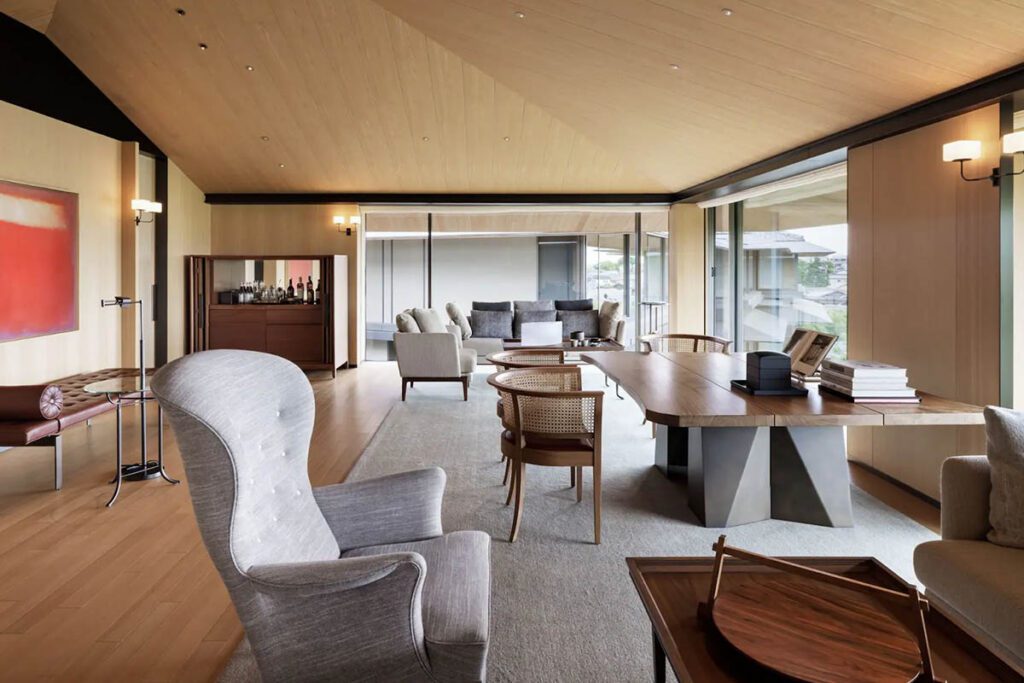
Signature Moments: 5 Unforgettable Experiences at Villa Park Maldives 5 Must-Try Villa Park Maldives Experiences Crypto and Banking We recommend the following high-quality options for secure Bitcoin transactions and online banking services: Last updated: September 12, 2026 by Jacob Silverman … Read More
There is no excerpt because this is a protected post.
Refined Coastal Living: Inside Shade Hotel Manhattan Beach Manhattan Beach Boutique Hotel – Shade Hotel Manhattan Beach Crypto and Banking We recommend the following high-quality options for secure Bitcoin transactions and online banking services: Last updated: September 12, 2026 by … Read More
There is no excerpt because this is a protected post.
Embark on Unforgettable Adventures with Galapagos Luxury Charters Discover Unrivaled Luxury and Adventure with Galapagos Luxury Charters Experience the ultimate in luxury and adventure with Galapagos Luxury Charters. Discover the Galapagos Island’s breathtaking beauty and unparalleled biodiversity aboard exclusive yachts … Read More
There is no excerpt because this is a protected post.