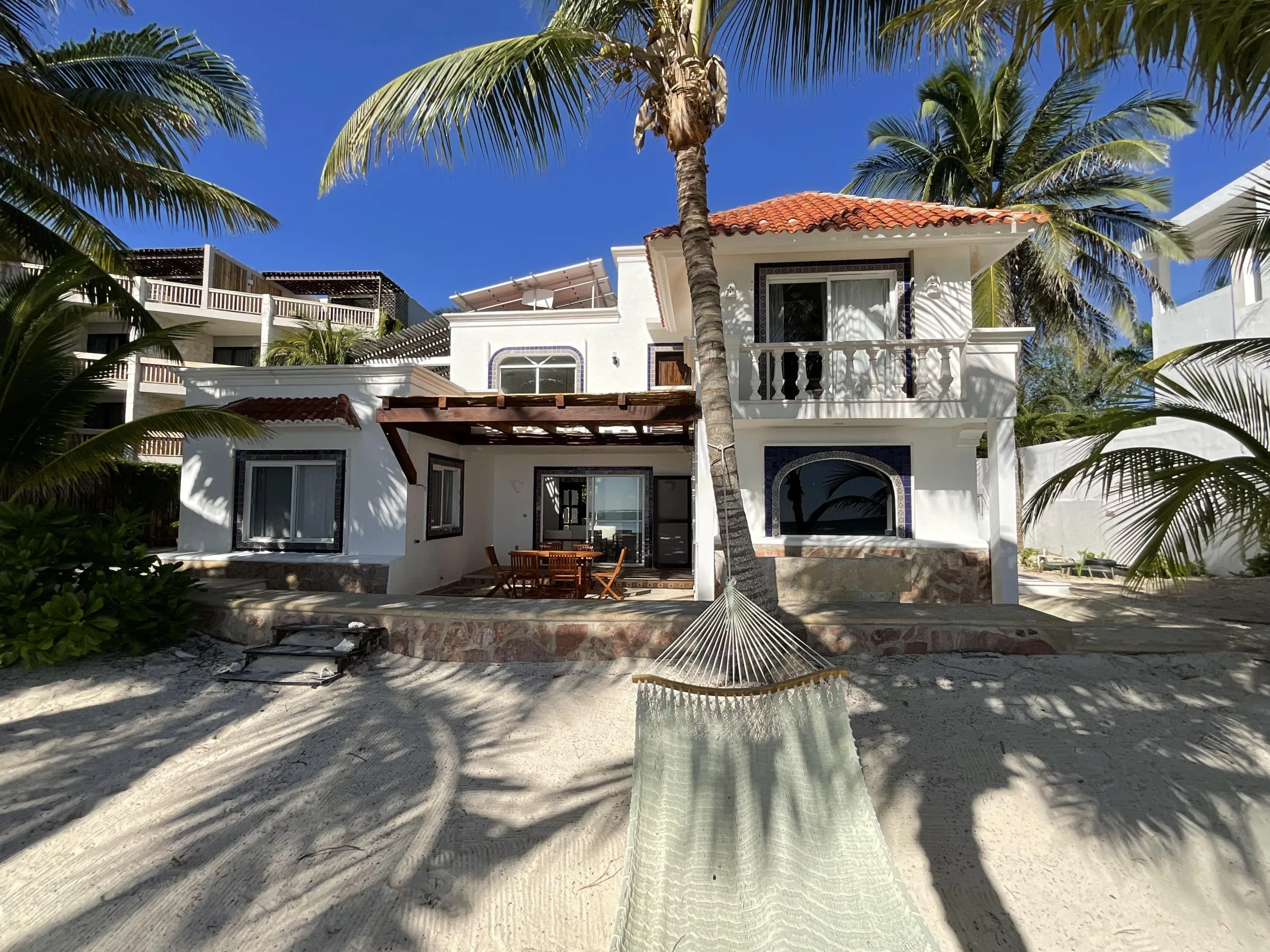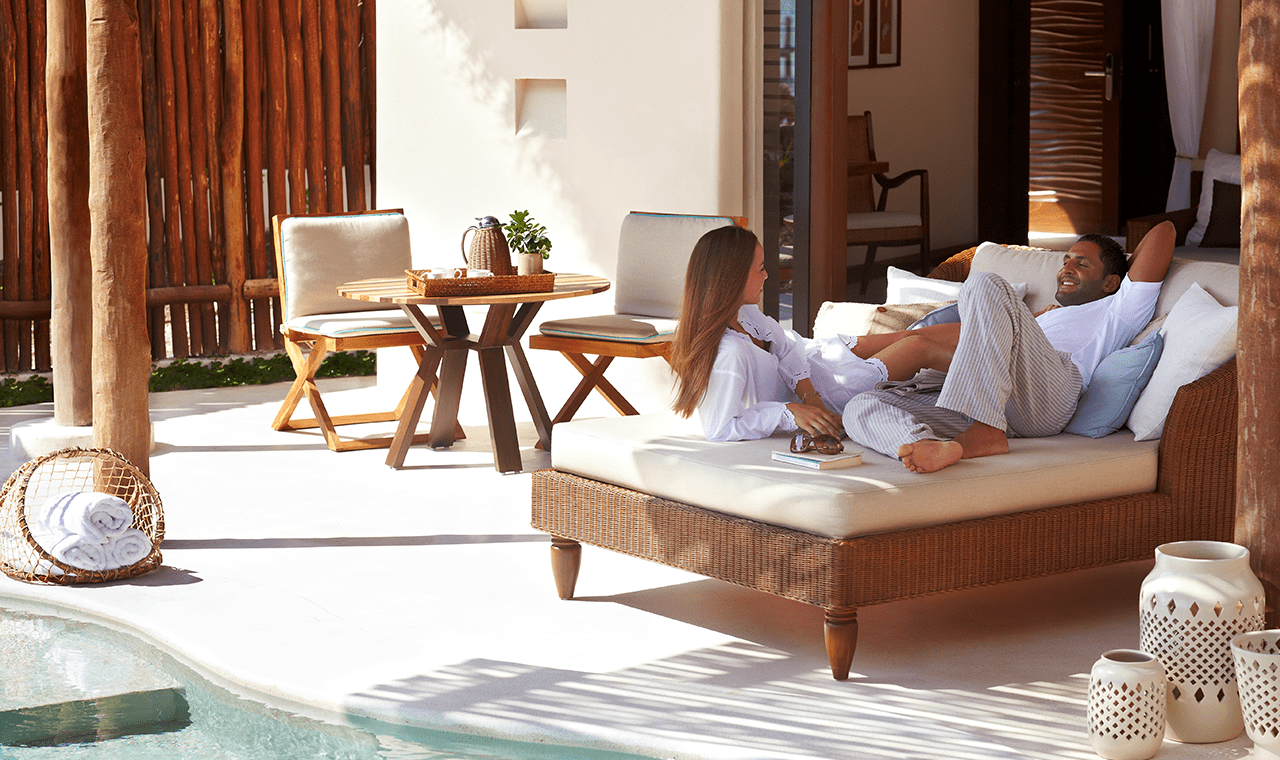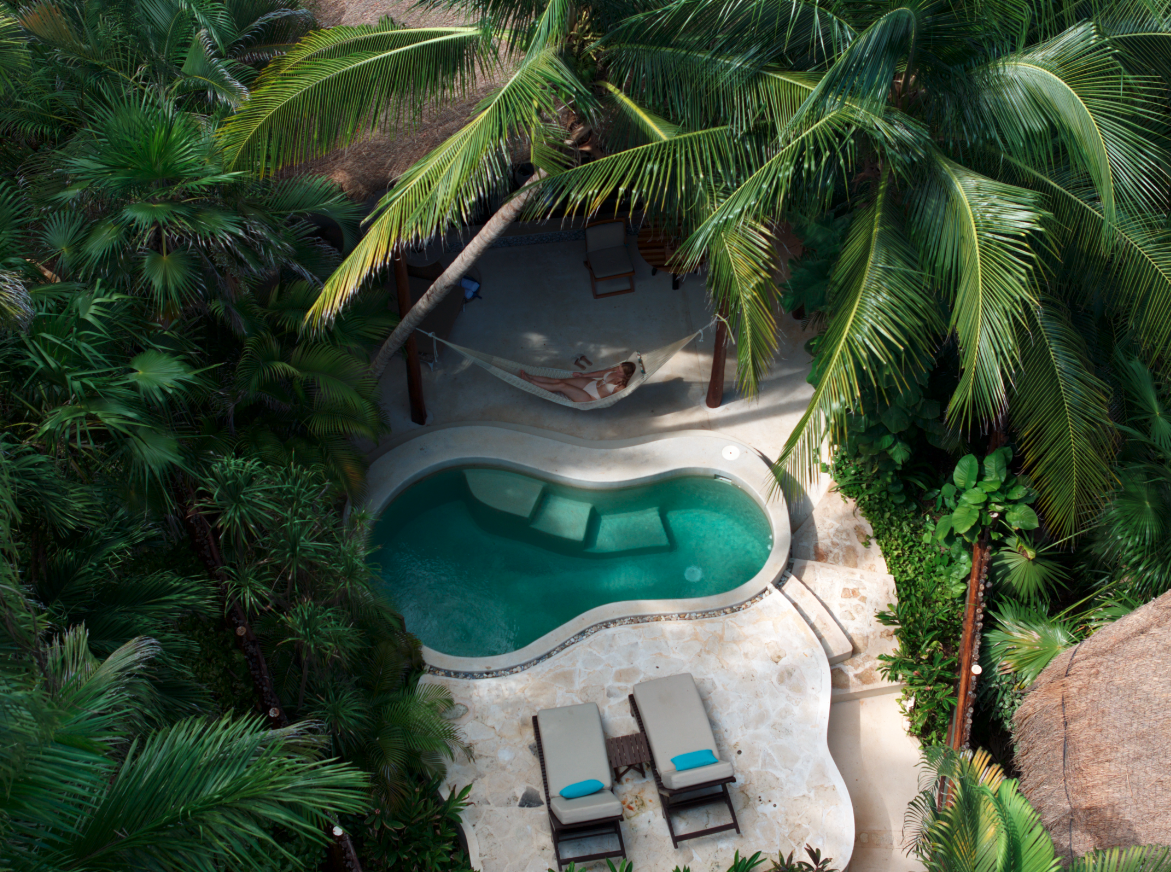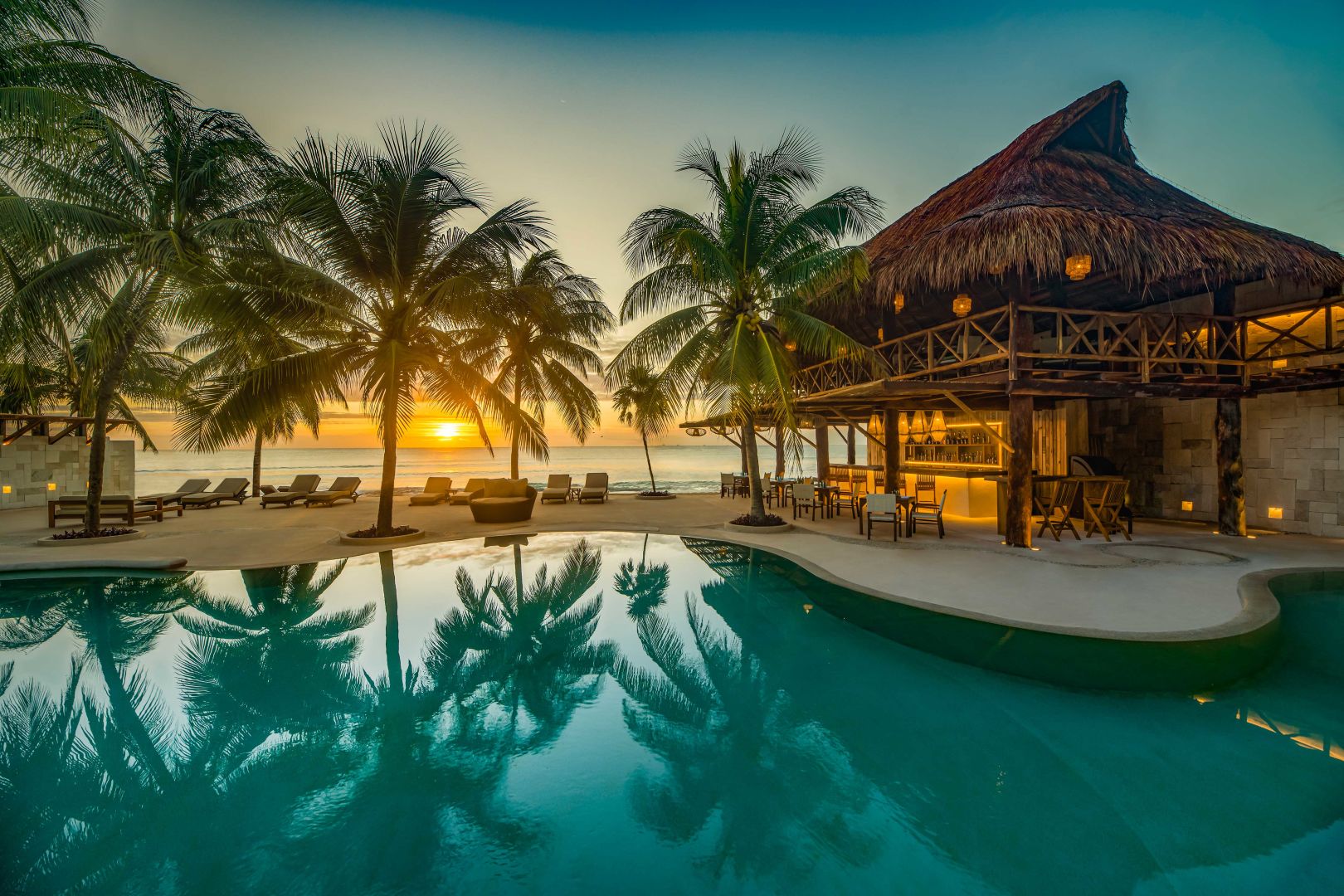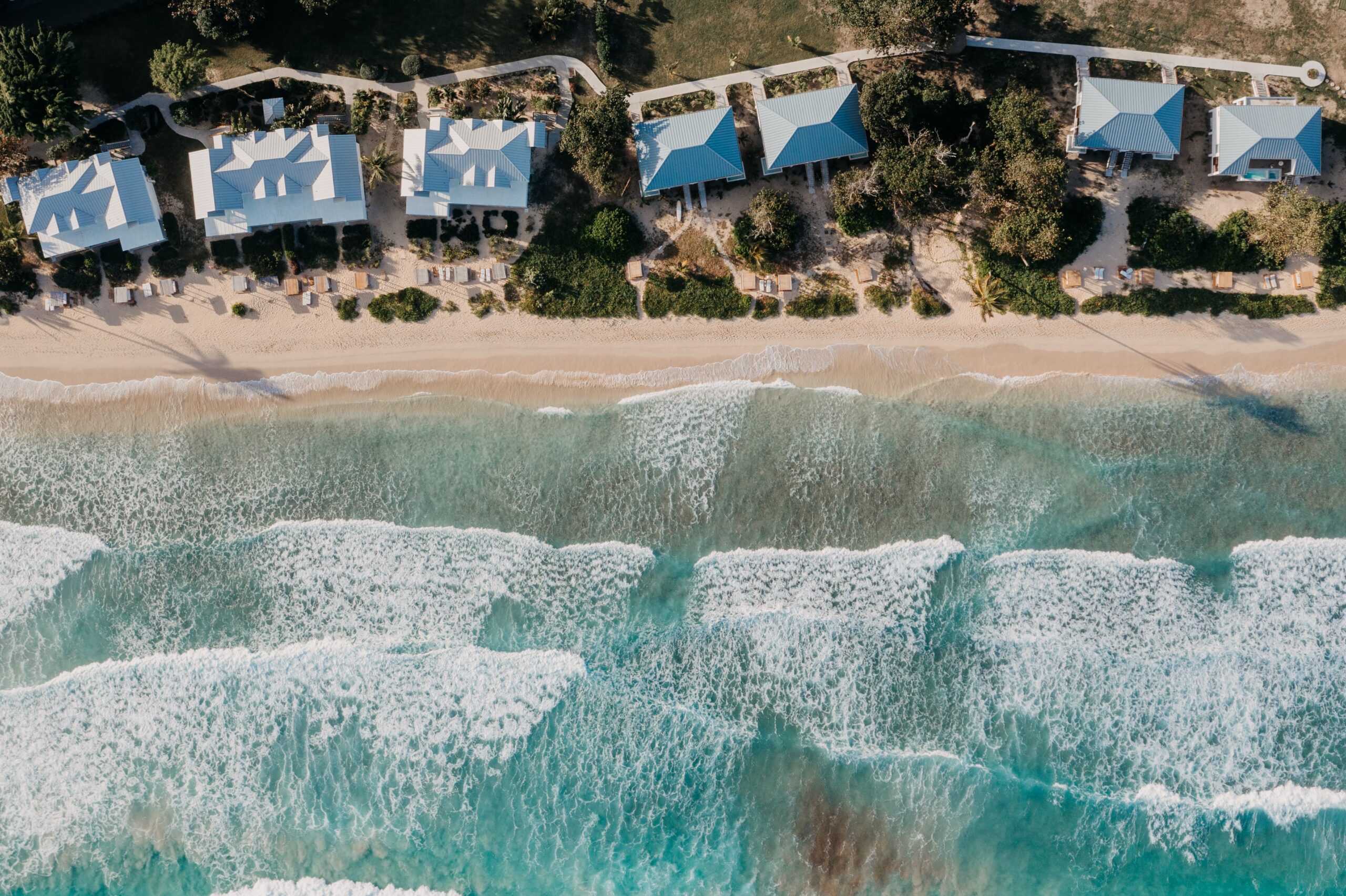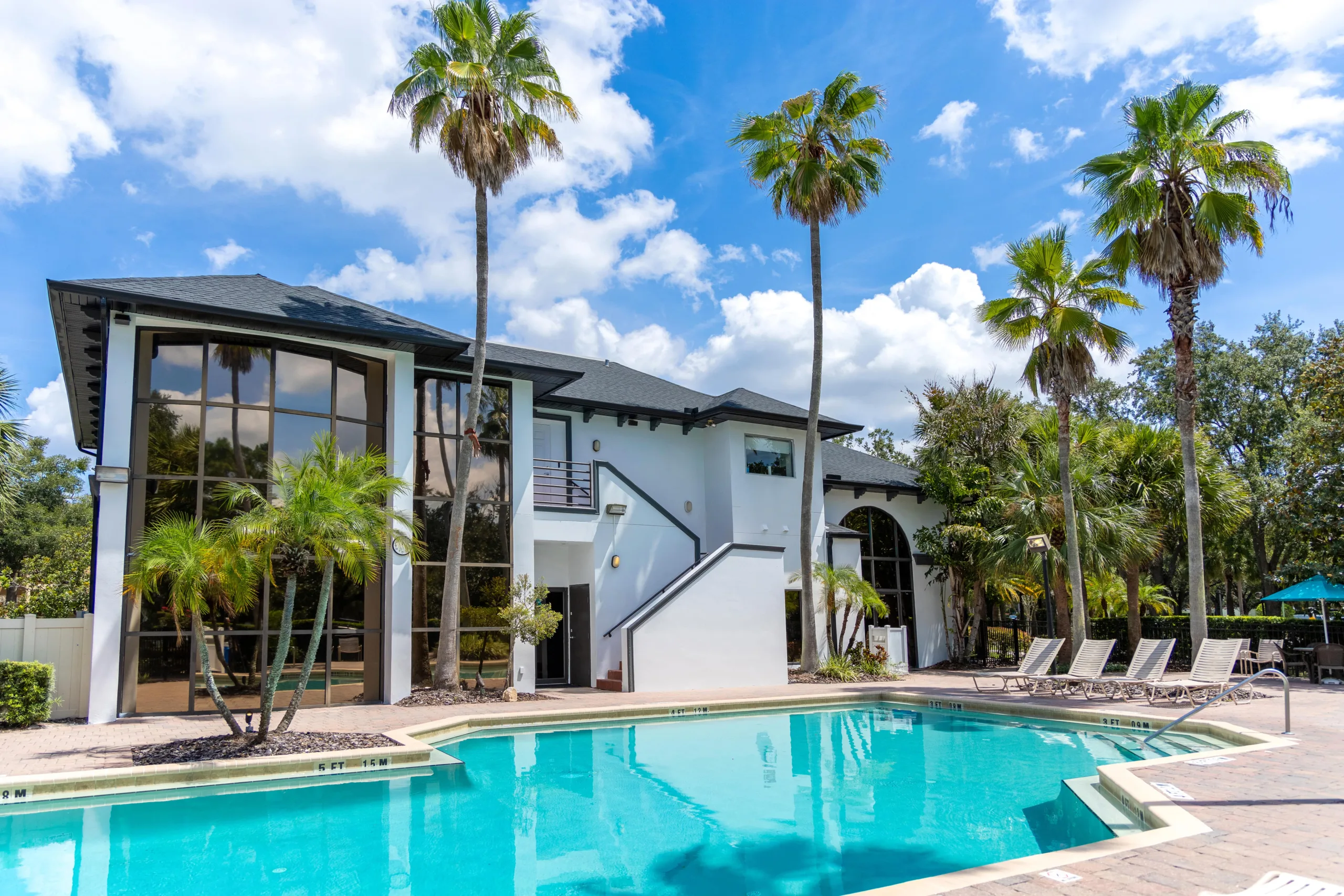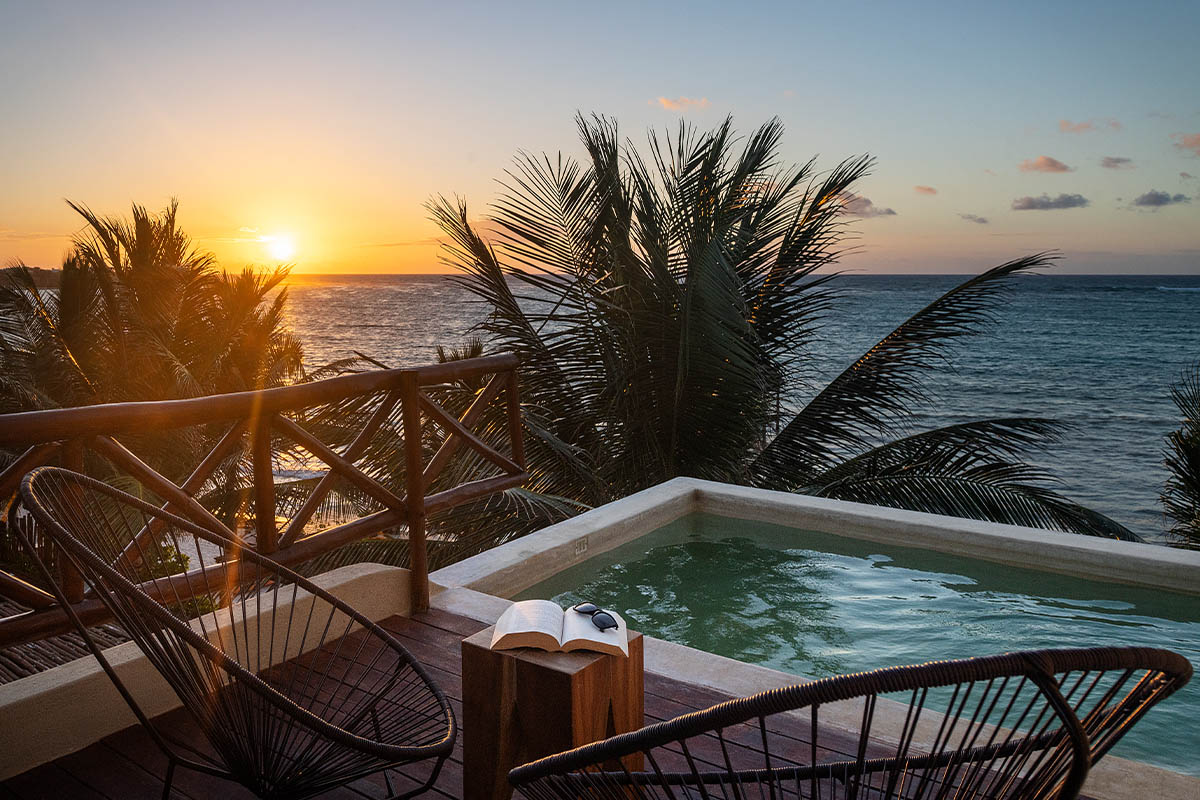
Mereva Tulum Hotel in Tankah Bay: A Quiet Beachfront Escape in Tulum Tulum can feel like a lot when you hit it at the wrong time. The crowds, the traffic, the constant buzz that never quite lets you switch off. … Read More
Europe after summer has better timing than people give it credit for.
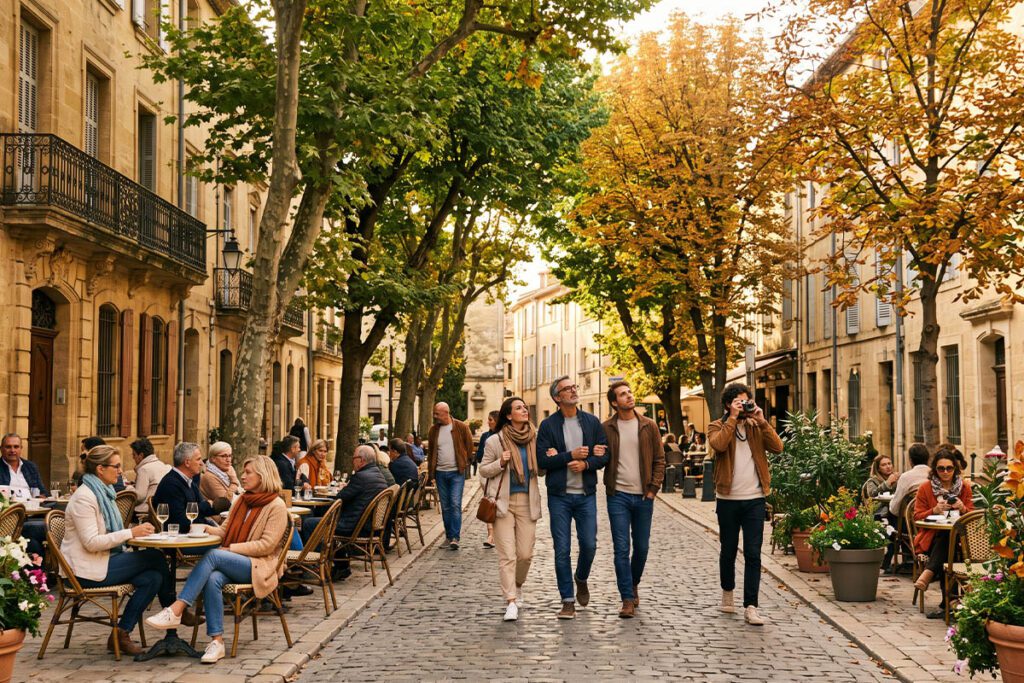
By fall, the continent starts splitting into several completely different trips. In Umbria and Burgundy, vineyards and kitchens shift into harvest mode. Seville becomes far more pleasant to explore on foot once the worst of the summer heat eases. Rhodes is still making a strong case for beach days, while Scotland and Slovenia head in the opposite direction with crisp air, changing landscapes, and a much more autumnal mood.
That variety is exactly why some of the best places to visit in Europe in fall have very little in common beyond the season itself.
One trip might center on truffles, olive harvests, and long countryside lunches. Another might involve medieval streets, tapas, and evenings that are finally comfortable enough to enjoy outside. Or maybe your version of fall still includes the Aegean and a swimsuit.
The hotels matter too, but not because this is another list of beautiful places to sleep. Each property adds something specific to the destination, whether that means putting you inside a working vineyard estate, within walking distance of Seville’s major landmarks, or directly on the shore of one of Europe’s most recognizable lakes.
Fall is not Europe’s consolation prize after summer. In the right place, it may be the smarter season entirely.
The first thing to know about fall in Europe is that it has no single version.
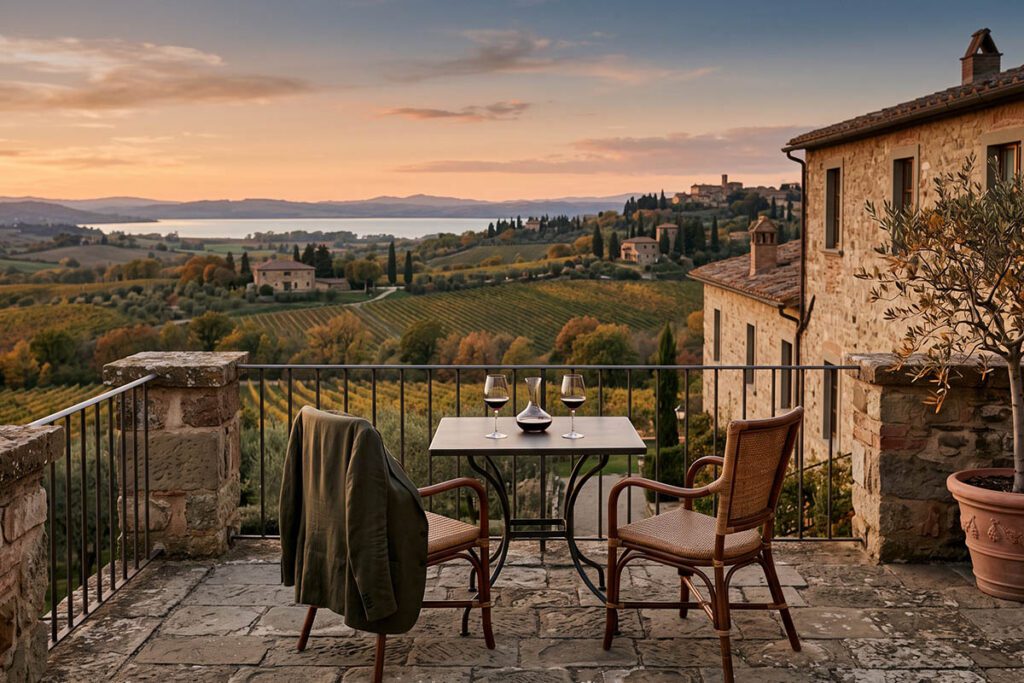
In central Italy, autumn is tied closely to the land. Umbria moves through grape and olive harvests, while truffles, mushrooms, chestnuts, and other seasonal ingredients start shaping menus and local traditions.
Head southwest and the mood changes completely. Seville’s tourism office describes autumn as a season of softer light and pleasant temperatures, making a city built for wandering much easier to enjoy. The Alcázar, Cathedral, Santa Cruz, Triana, and the city’s terraces all become much more appealing when sightseeing no longer feels like a test of heat tolerance.
Farther east, Rhodes offers another version of the season. Greece’s official tourism site emphasizes the island’s beaches, pine-covered landscapes, medieval heritage, mountain villages, and Lindos, making it a strong choice for travelers who want fall to keep one foot firmly in summer.
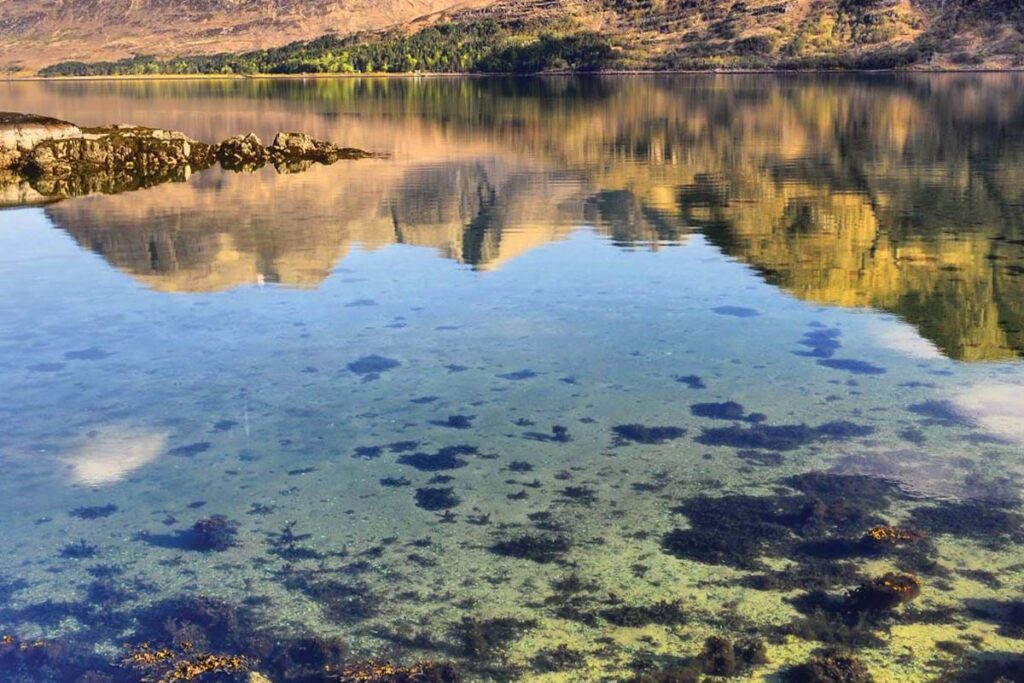
Then there are the places that lean fully into autumn. Scotland brings darker skies, longer walks, and a more dramatic outdoor mood, while Slovenia shifts toward lake reflections, forest color, and quiet days outside.
That is the real advantage of traveling Europe in fall. You are not choosing one season.
You are choosing the version of it that suits you.
Stay: Reschio
Umbria in fall has a habit of making lunch feel like a very reasonable reason to plan an entire trip.
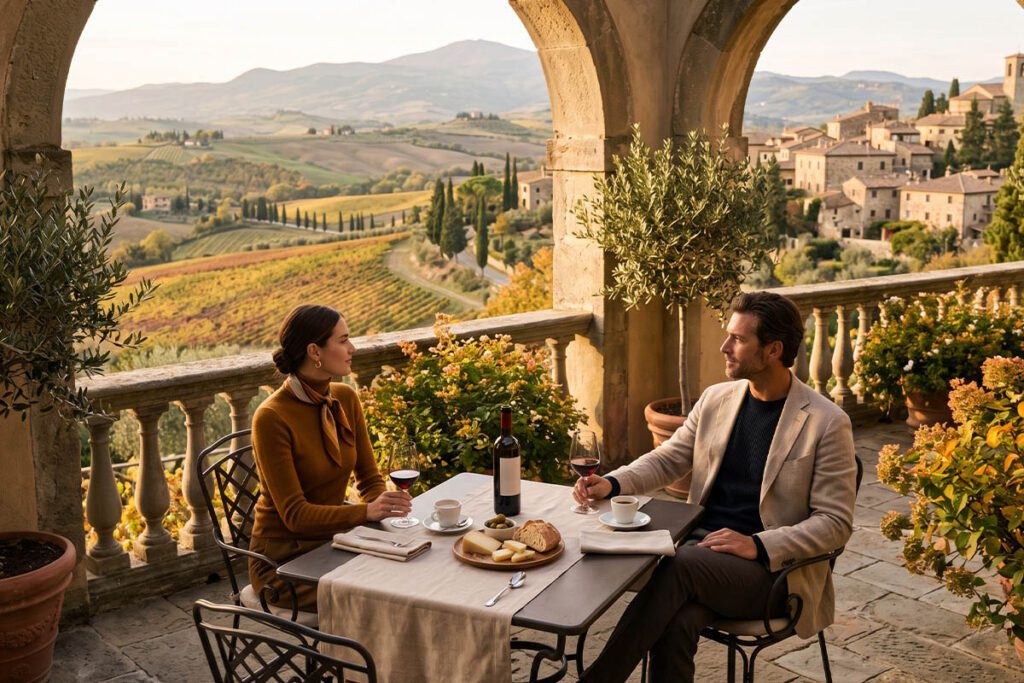
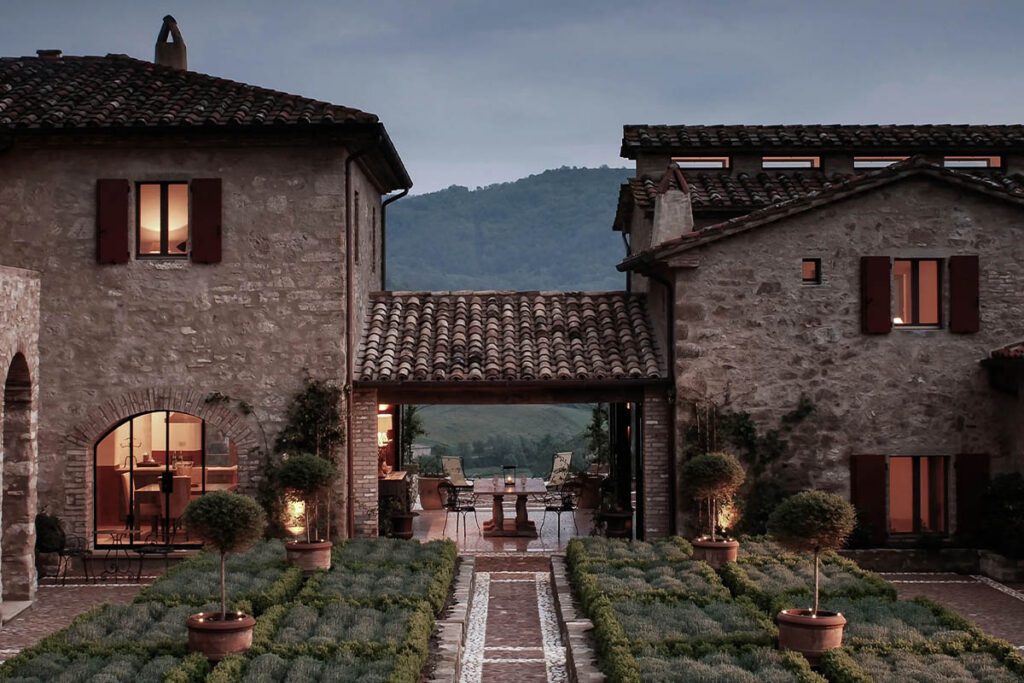
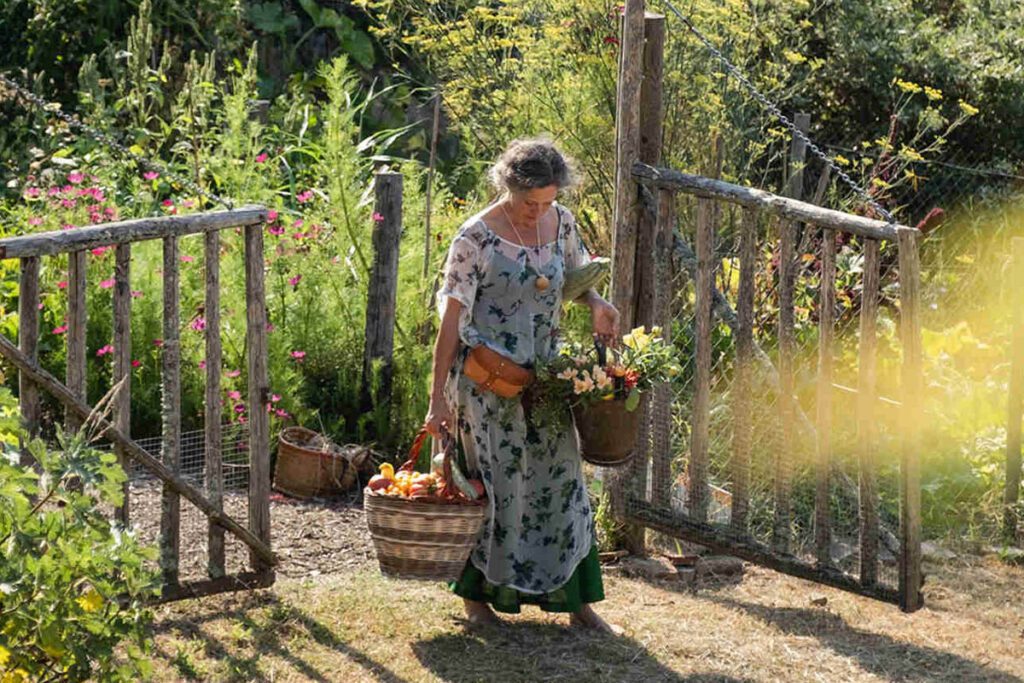
This is when the countryside turns its attention to what is coming out of the land. Grapes, olives, truffles, porcini, chestnuts, and other seasonal ingredients shape the region’s rhythm, and Reschio leans into that connection without making it feel staged.
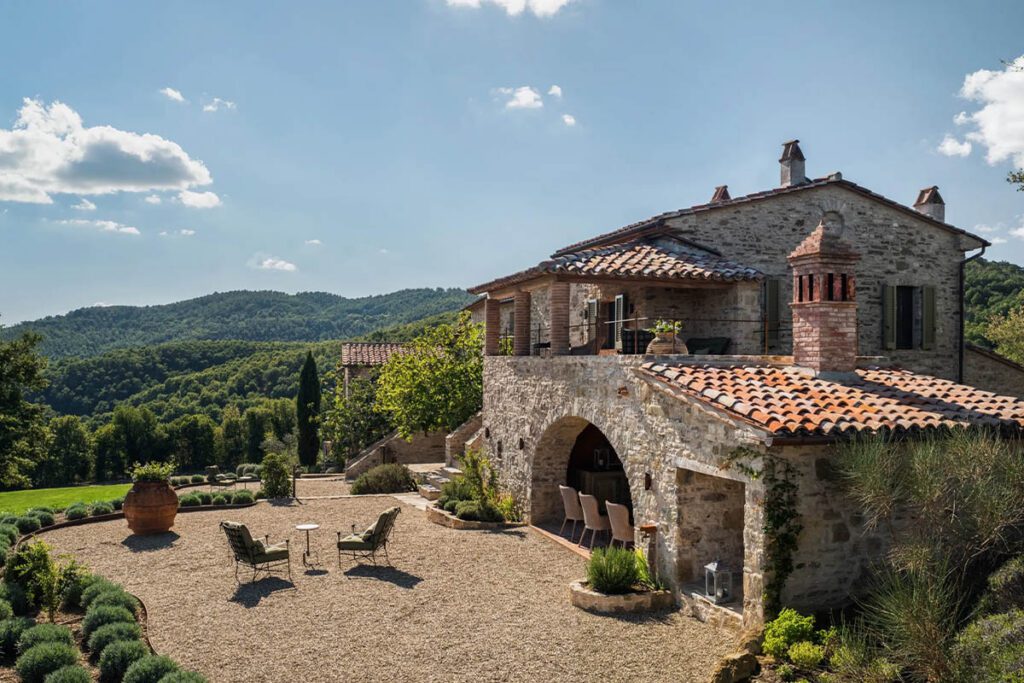
The 3,700-acre private estate sits in the Umbrian hills around a thousand-year-old castle, surrounded by woodland, meadows, gardens, vineyards, and restored farmhouses. In autumn, the estate itself shifts noticeably, with Reschio highlighting truffles, porcini, juniper berries, sloes, olives, and grapes among the seasonal harvest.
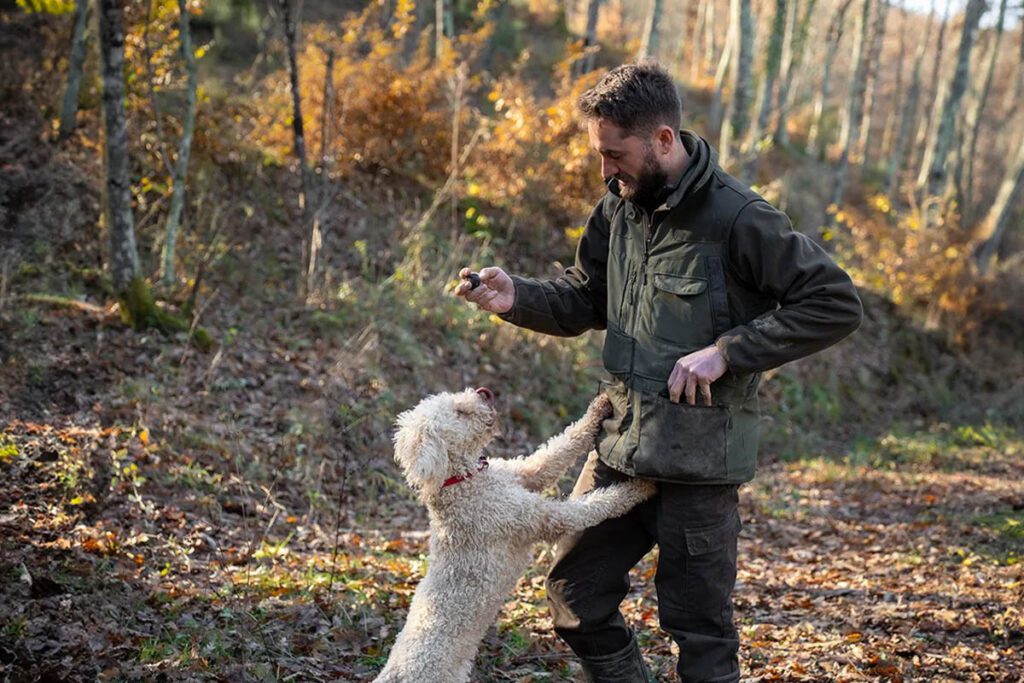
October brings one of the property’s most hands-on experiences: olive picking. Guests can join the harvest, watch the olives being gathered for Reschio’s own oil, and finish with a picnic before taking home freshly milled oil. Truffle hunting is another seasonal highlight, with a guide and trained dog leading guests into the woods before the experience continues at the table.
Food gives autumn much of its personality here, but Reschio is not a one-note countryside retreat. Horseback riding, walks through the estate, wine and olive-oil experiences, falconry, and time in the Bathhouse give the stay enough range that you do not need to treat the property as merely somewhere to sleep between day trips.
That is what makes Reschio work so well for this article. You are not checking into a hotel in Umbria and heading out each morning to find the season. Much of what makes fall special is already happening around you.
Why stay here: Reschio is for travelers who want autumn to taste like something. Come for the countryside and harvest traditions, but leave enough room in the schedule for truffles, olive oil, horseback rides, and the kind of lunch that makes the rest of the afternoon negotiable.
Stay: Château la Commaraine
Burgundy needs very little help making fall look like a good idea.
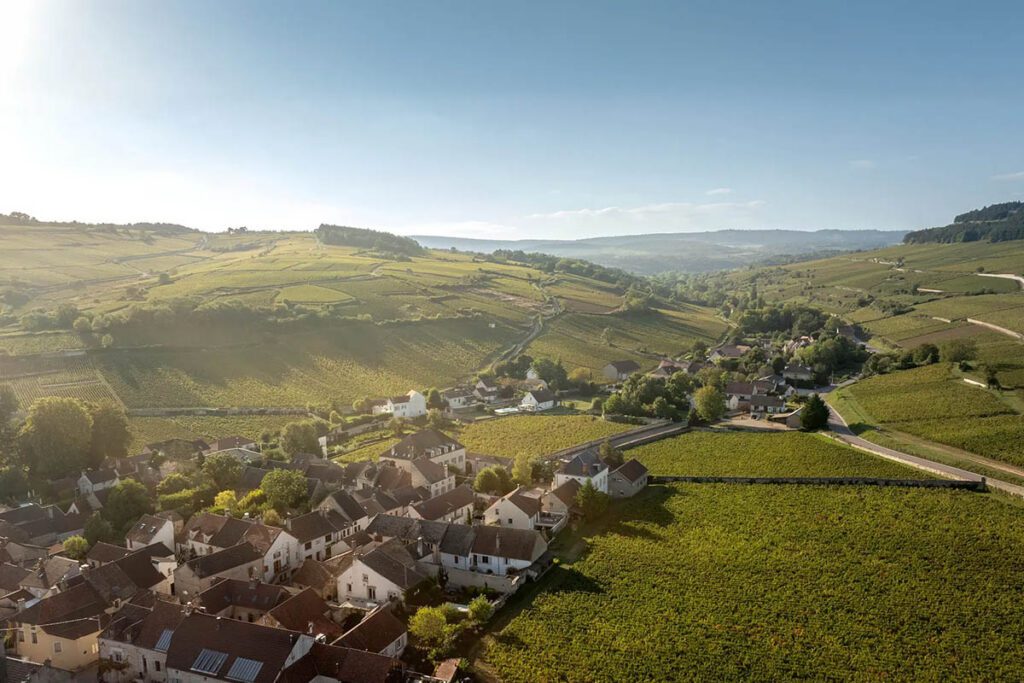
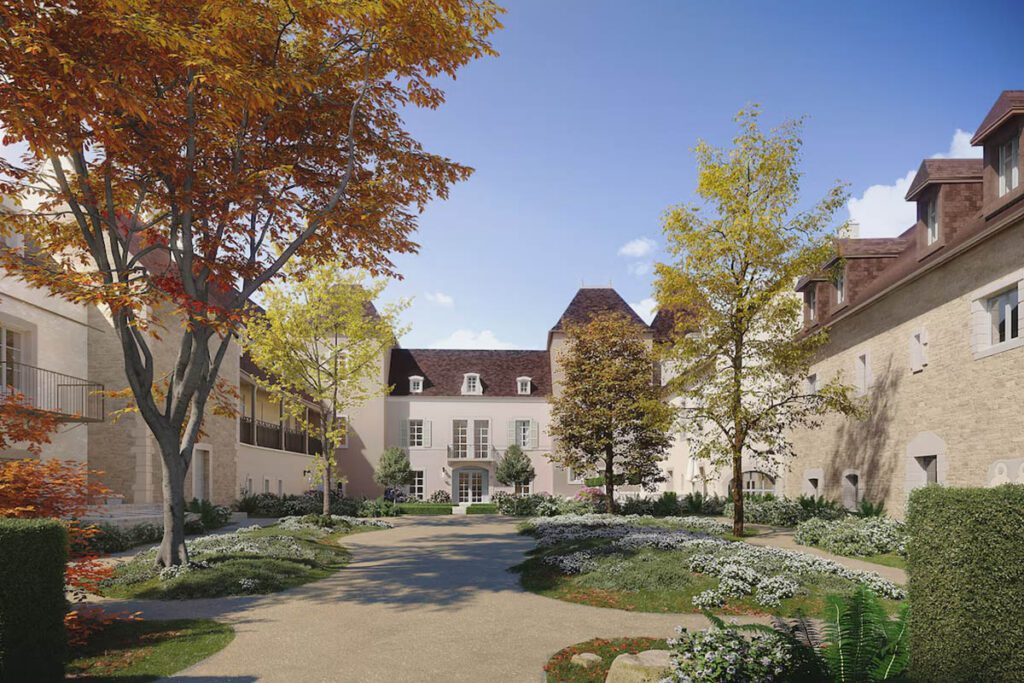
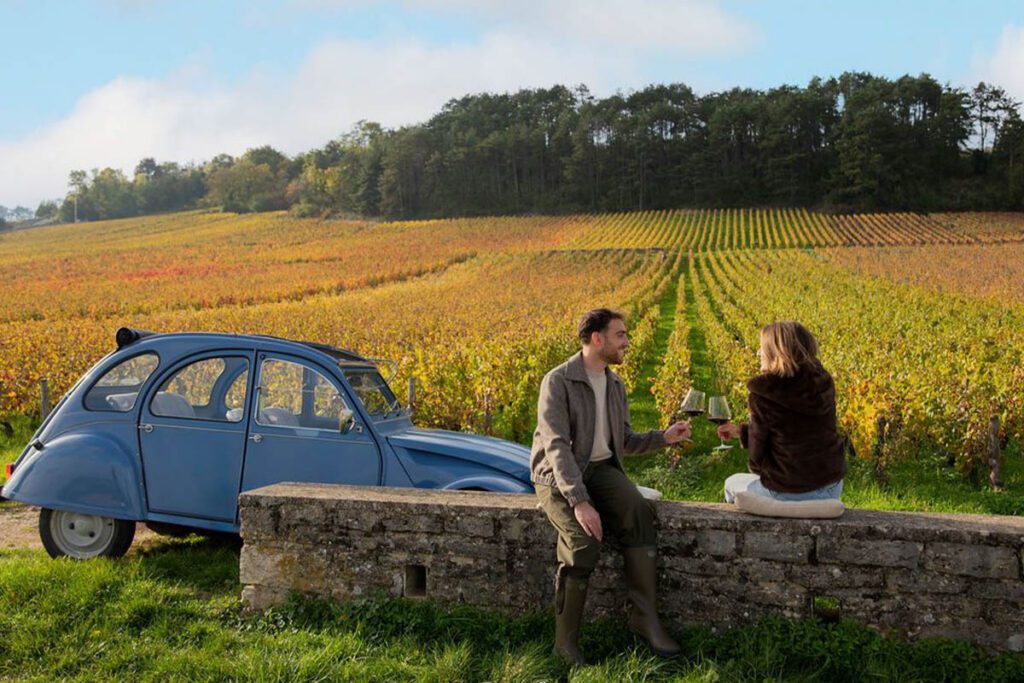
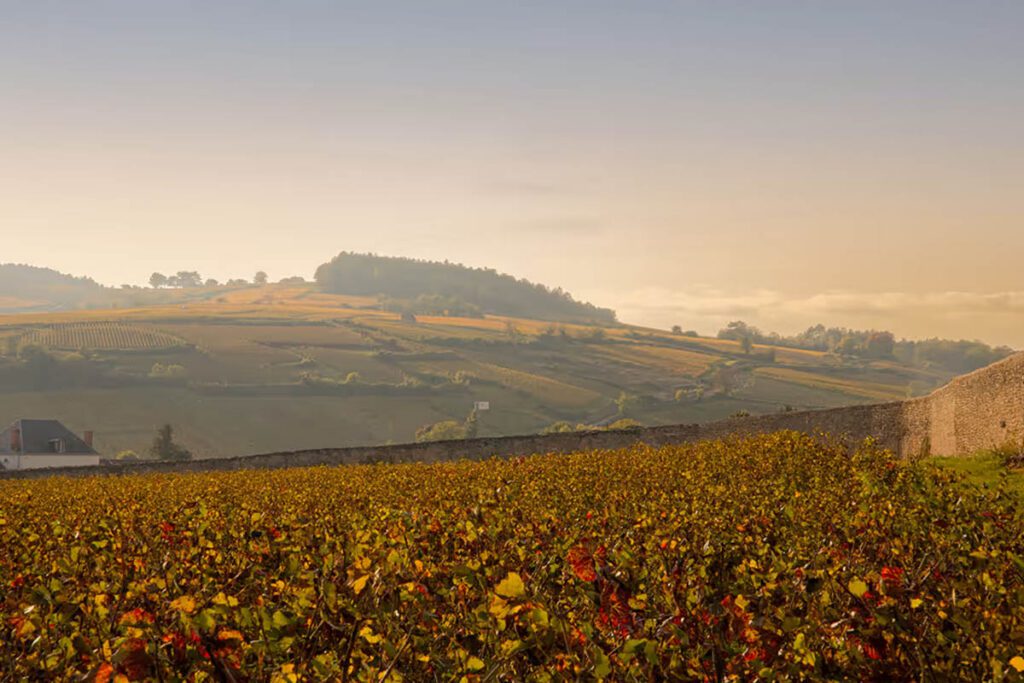
By harvest season, the vineyards are no longer simply scenery. They are the reason the region feels especially alive, and in Pommard, Château la Commaraine puts you directly inside that story.
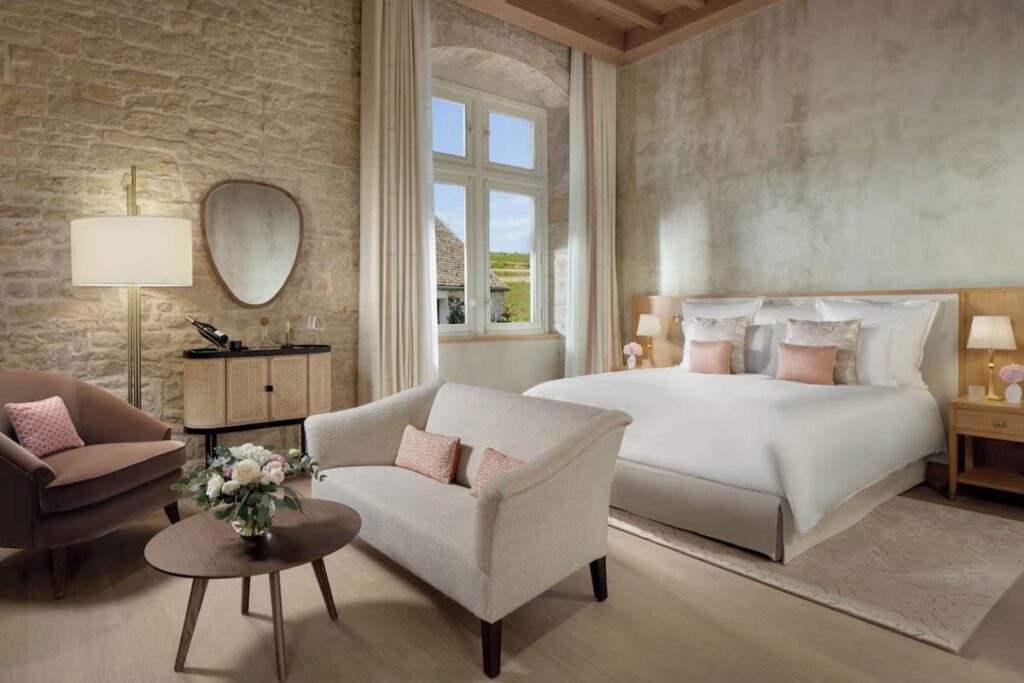
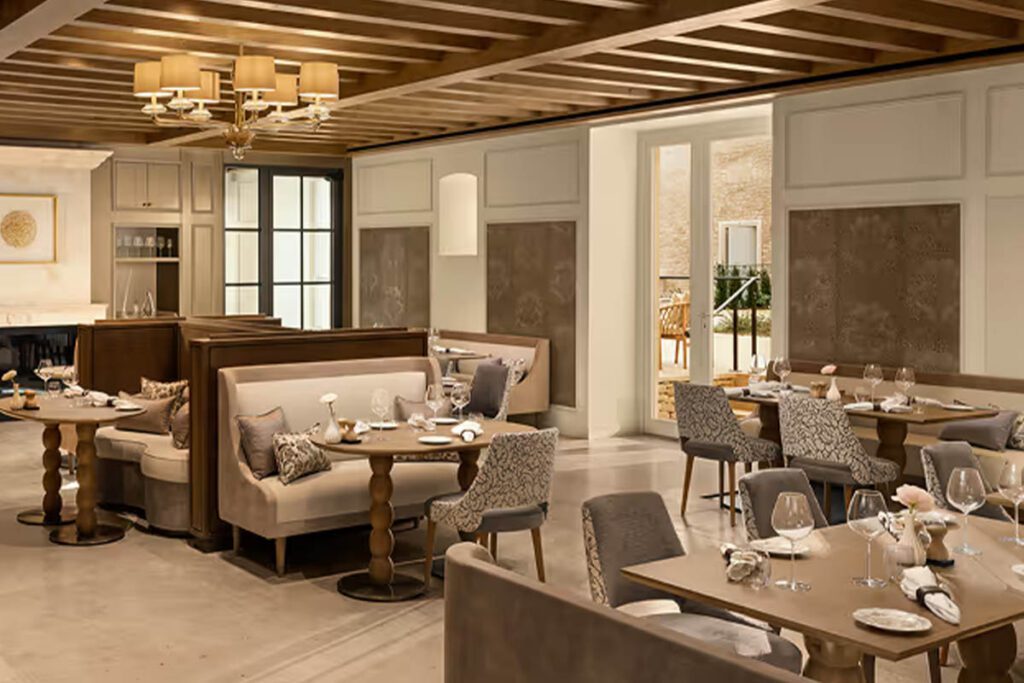
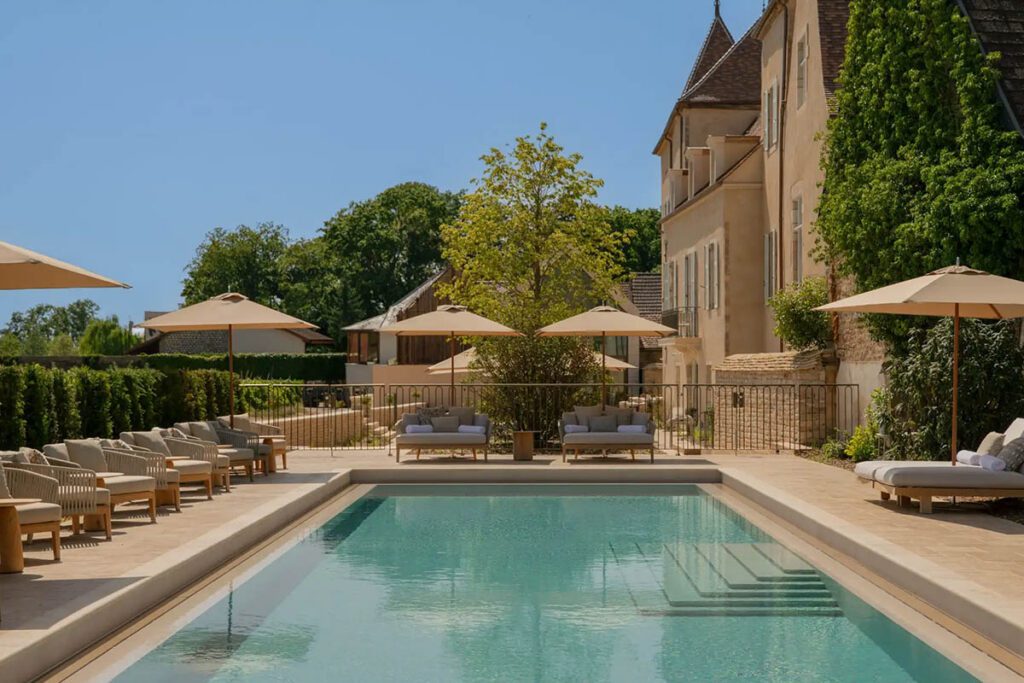
The property sits within a nine-acre Clos Monopole classified as Pommard Premier Cru, where the château, vineyard, and working winery form one estate. Following a five-year restoration, it now combines 37 rooms and suites with restaurants, gardens, a spa, and the active wine estate itself.
That direct connection to the vineyard is the real advantage. Guests can explore the estate through cellar and tasting experiences that move beyond simply sampling finished bottles. Depending on the experience booked, visits can include time in the vineyard, cellar, and winery, with a closer look at the Clos and the way its different parcels are handled.
Burgundy is also one of those places where the road between destinations matters almost as much as the destinations themselves. Villages such as Pommard, Volnay, Beaune, and Puligny-Montrachet turn a day of wine into something broader, with old streets, vineyard roads, cellar doors, and lunches that should not be rushed.
That makes Château la Commaraine a different proposition from Umbria. Reschio is about the wider rhythm of the land. Burgundy is about wine heritage, and here, the estate makes that story impossible to miss.
Why stay here: Château la Commaraine is the choice for travelers who want Burgundy from the inside rather than from the passenger seat of a day tour. The vineyard is not adjacent to the hotel experience. It is central to it.
Stay: Hotel Alfonso XIII, a Luxury Collection Hotel
After two countryside stops, Seville changes the pace completely.
This is not a trip built around vineyards, farms, or quiet roads. It is about architecture, neighborhoods, long dinners, flamenco, and the pleasure of being able to walk around without organizing the day around air conditioning.
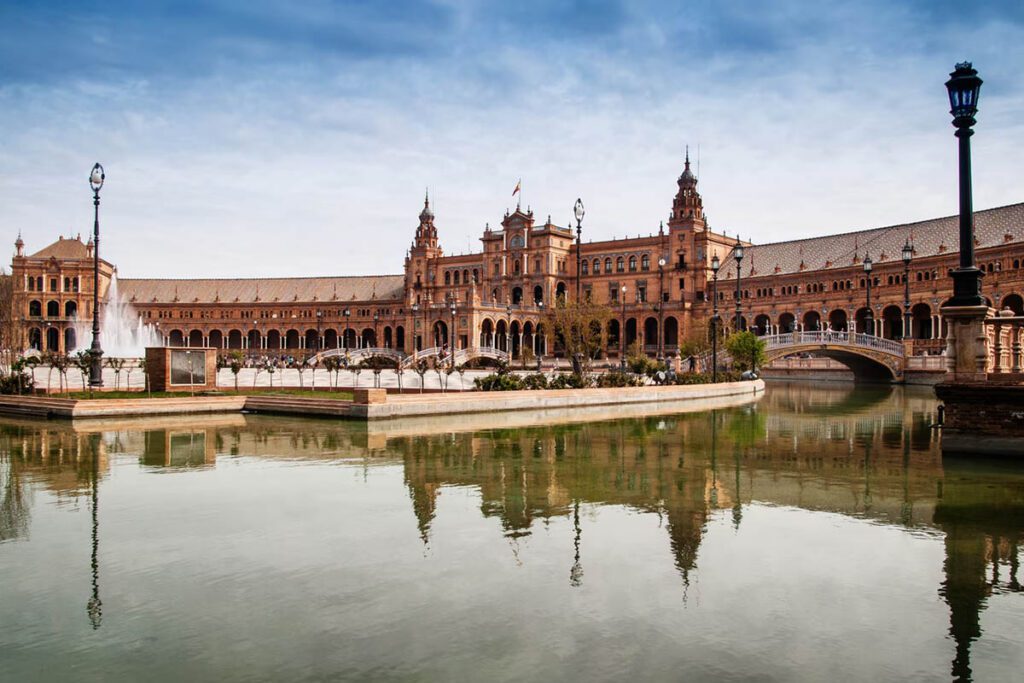
Seville’s official tourism office describes autumn as a season of pleasant weather, softer light, and a strong cultural calendar. That is exactly when landmarks like the Royal Alcázar and Seville Cathedral become easier to combine with slower afternoons in Santa Cruz, Triana, or El Arenal.
The best itinerary here is not complicated. Start with architecture. Stop for tapas when hunger makes the decision for you. Spend time in the neighborhoods rather than treating the city like a monument checklist. Then save something for the evening, whether that means flamenco, drinks, or dinner that runs later than planned.
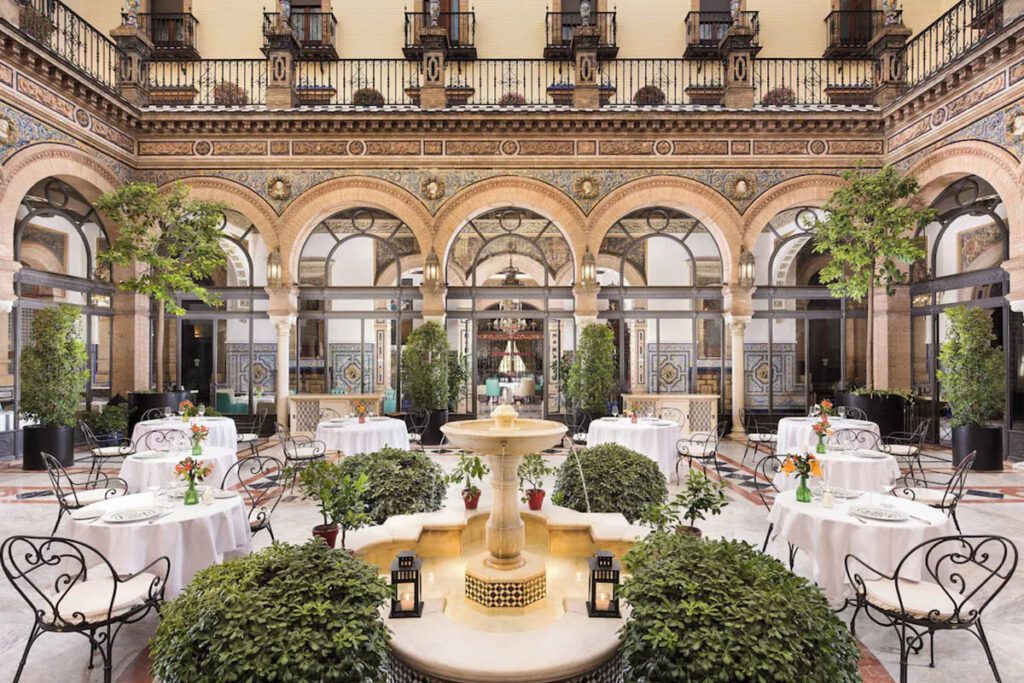
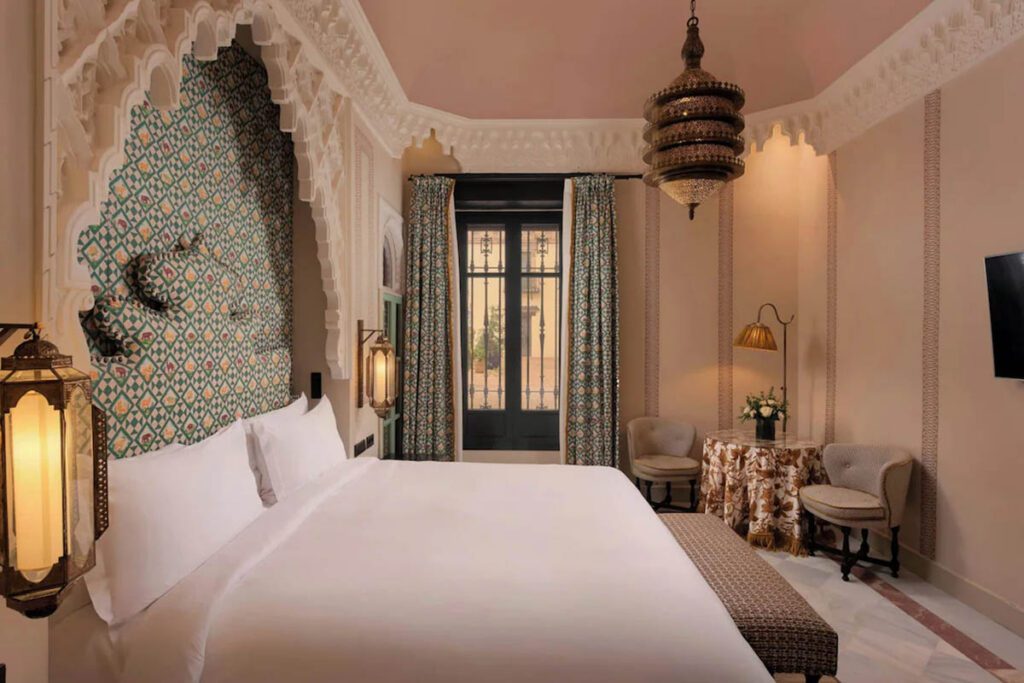
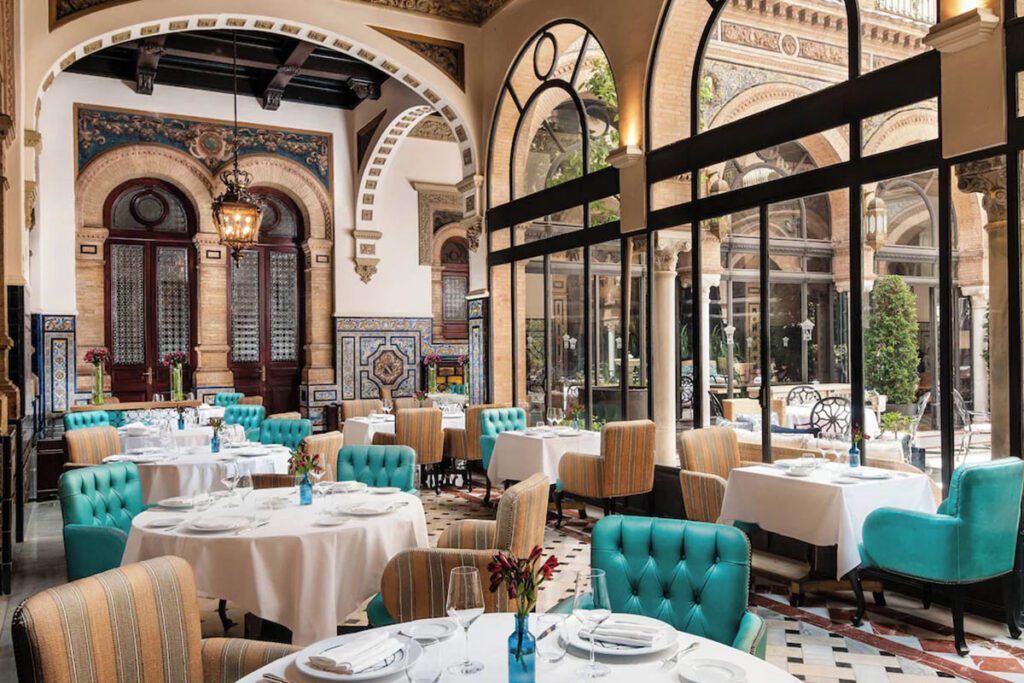
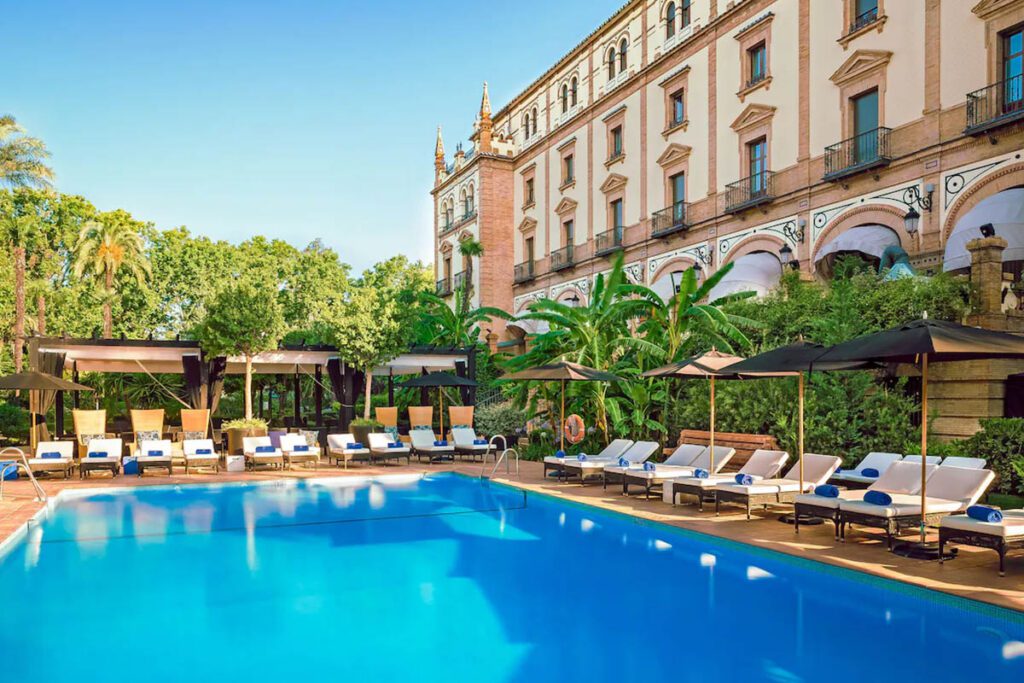
Hotel Alfonso XIII works because it places you right in the middle of that rhythm. The historic hotel sits in central Seville near the city’s major landmarks, and its own experience guide points guests toward the Alcázar, Cathedral, Santa Cruz, Triana, El Arenal, tapas, flamenco, cycling, and carriage rides.
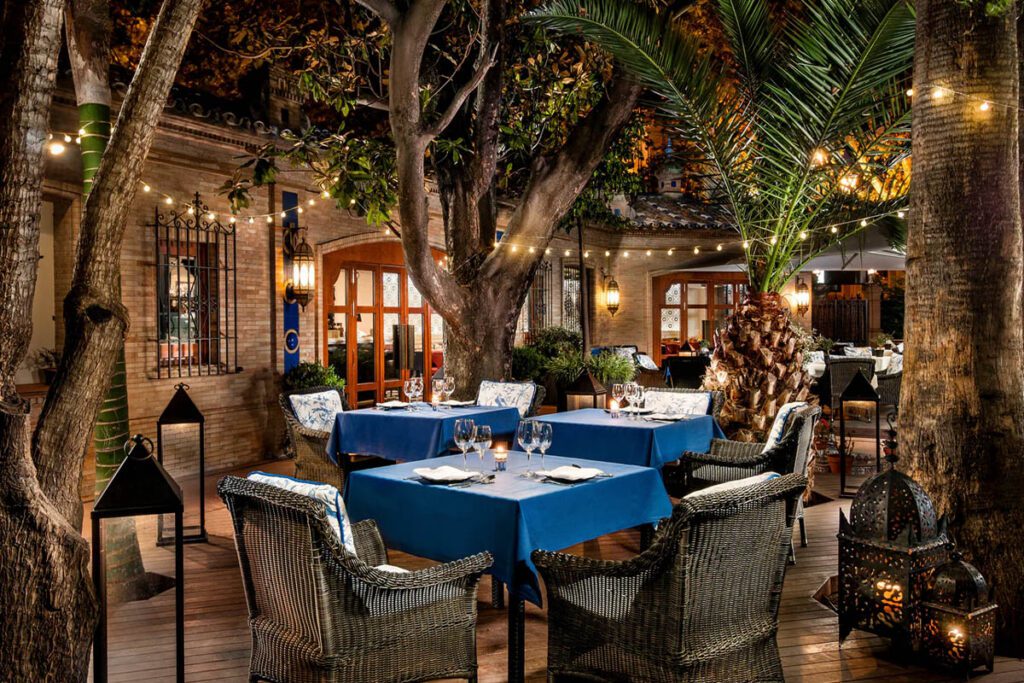
There are good reasons to stay in for a while too. Restaurante San Fernando serves Spanish cuisine in the hotel’s colonnaded courtyard, while Ena Sevilla focuses on tapas and local wines on an outdoor terrace.
Still, Seville should be doing most of the heavy lifting.
Why stay here: Hotel Alfonso XIII is the right choice for travelers who want culture at their doorstep. Fall makes the city easier to enjoy, and this is the kind of hotel that lets you spend more time exploring it and less time figuring out how to get back.
Stay: Lindos Blu
Fall can wait. Rhodes still has other plans.
The island brings a completely different mood to this list, with beaches, pine-covered mountains, medieval history, archaeological sites, villages, and Lindos all competing for your attention. The Medieval Town of Rhodes is UNESCO-listed, while Lindos adds whitewashed streets and its hilltop acropolis to the mix.
That range is why Rhodes works better here than a straightforward beach destination. You can spend one day swimming, another exploring Lindos, and another walking through the old city without the trip feeling one-dimensional.
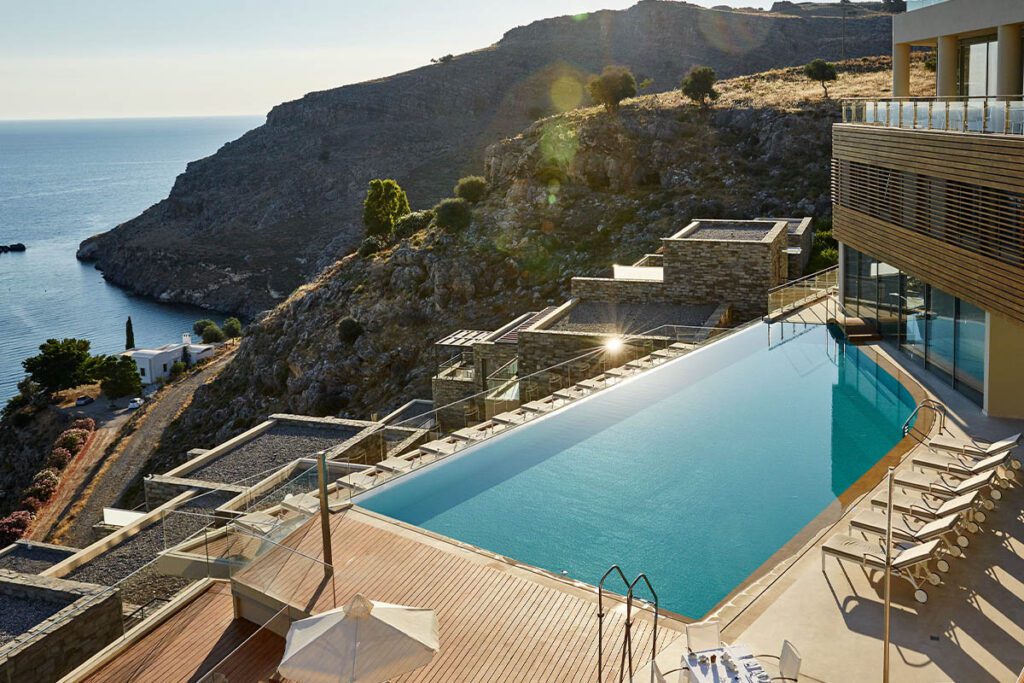
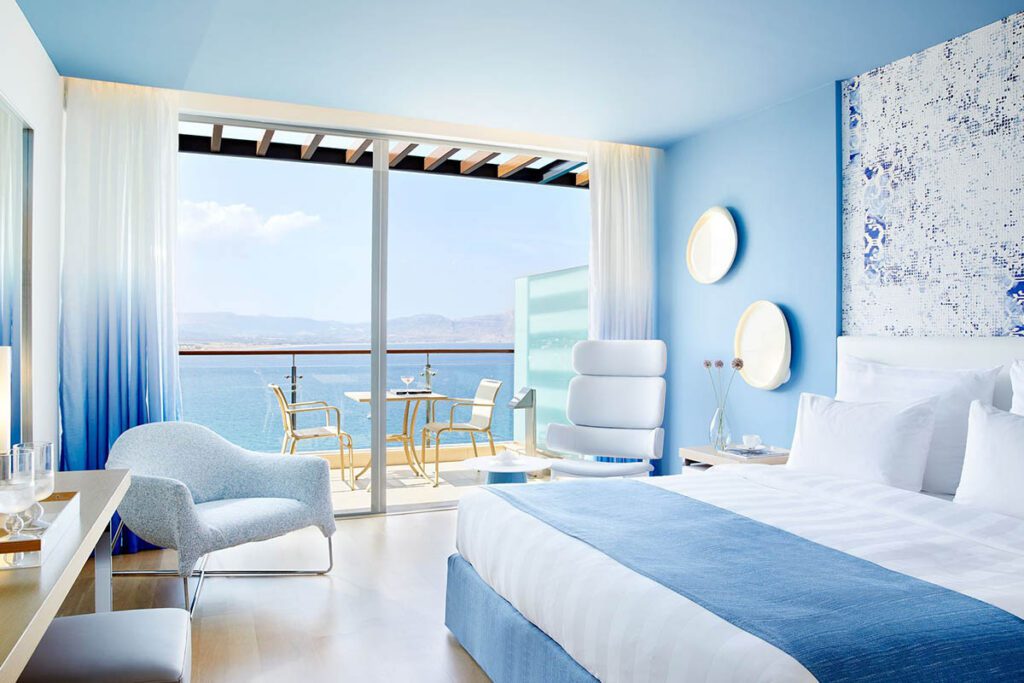
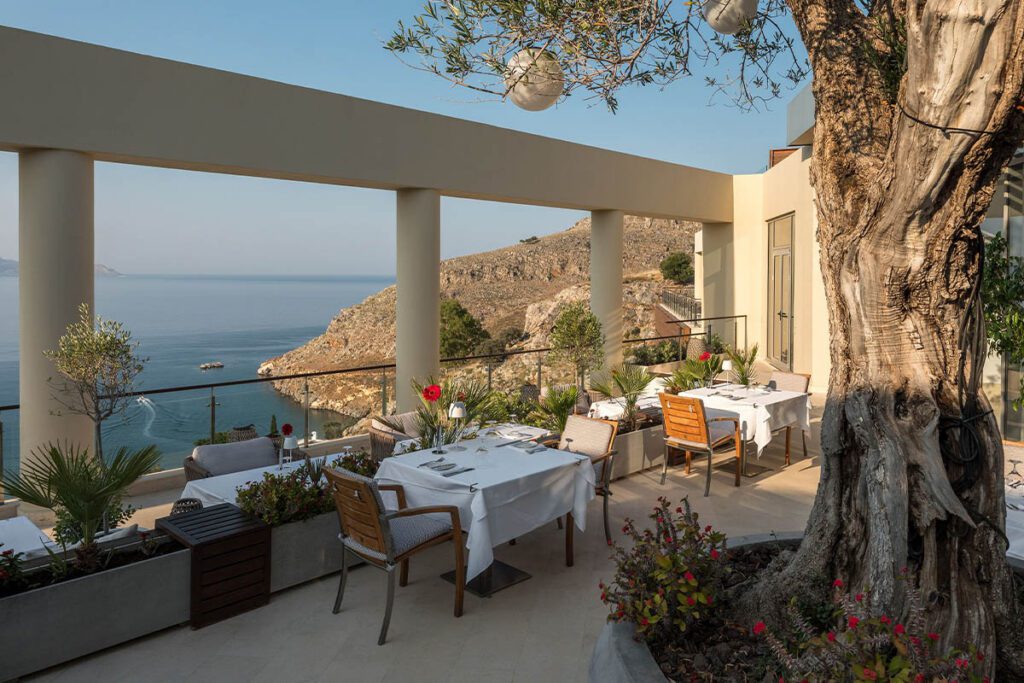
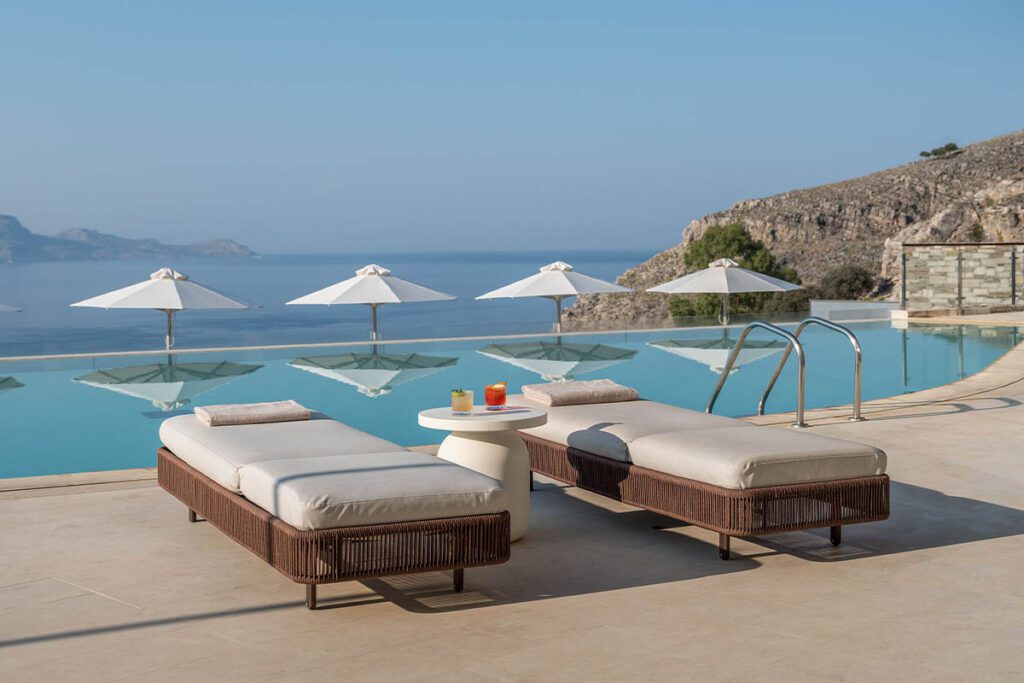
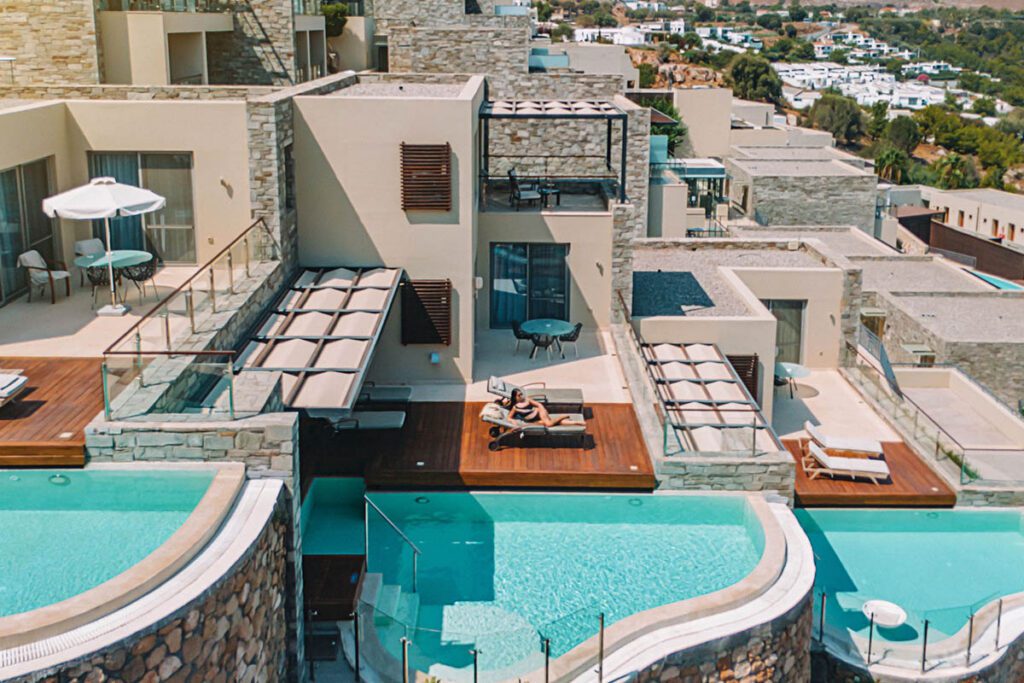
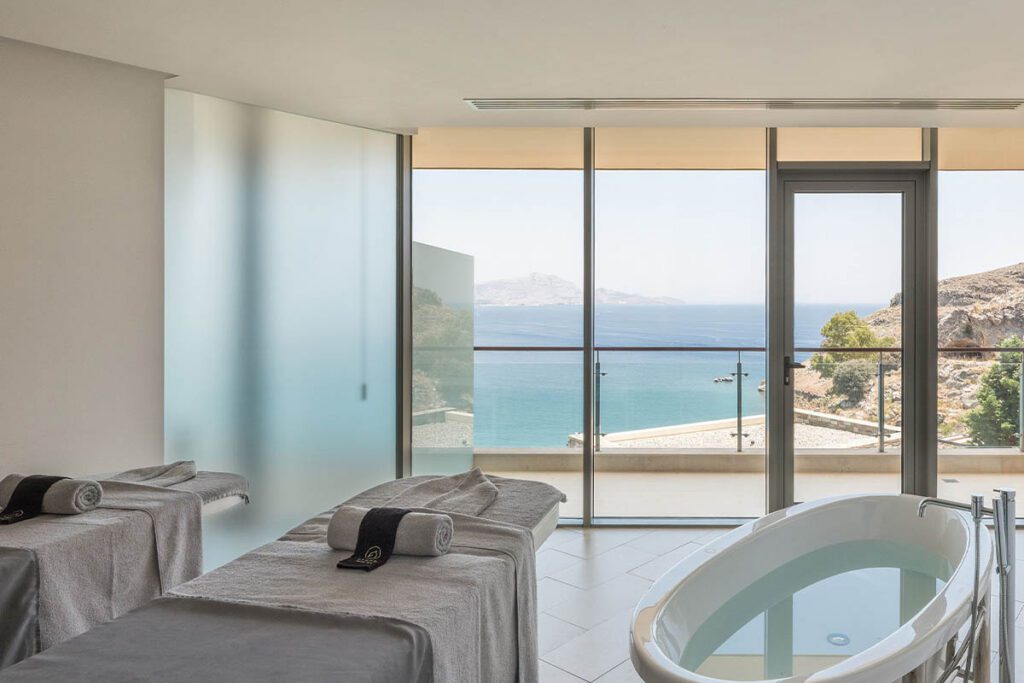
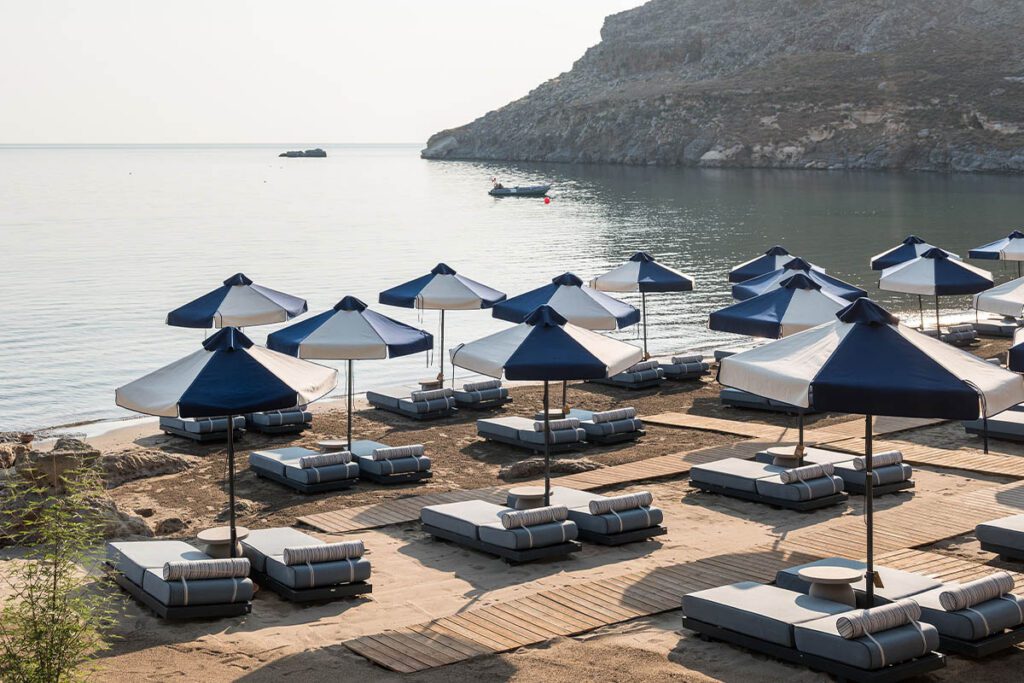
Lindos Blu makes the strongest luxury anchor because it is built around exactly that balance. The adults-only hotel sits above Vlicha Bay, with direct access to a Blue Flag sandy beach, sea-facing terraces, and two heated freshwater infinity pools. Some rooms and suites also include private pools or outdoor Jacuzzis.
The hotel’s current activity program also gives guests ways to explore beyond the property, from gentle hikes and sea experiences to vineyard visits and cultural outings around Rhodes.
Still, this is not the destination to overschedule.
A morning swim, an afternoon in Lindos, and dinner overlooking the bay is already a very good day.
Why stay here: Lindos Blu is for travelers who want to stretch summer a little longer without sacrificing culture or a sense of place. Rhodes gives you beaches and history in the same trip, while the adults-only setting keeps the pace pleasantly unhurried.
Stay: The Torridon
Not every fall trip needs to chase the sun.
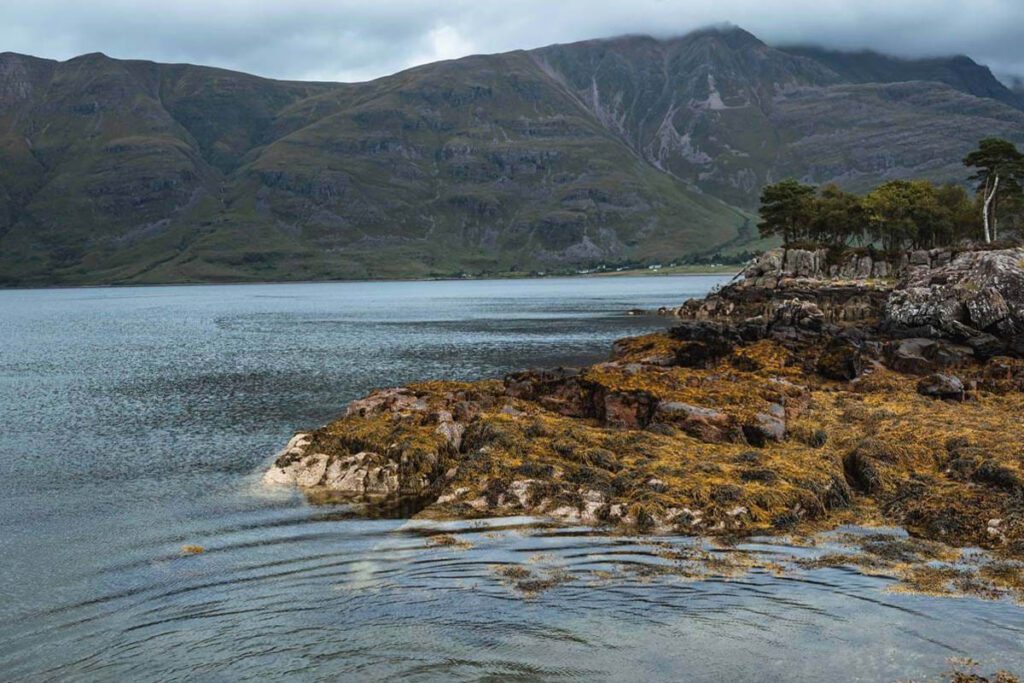
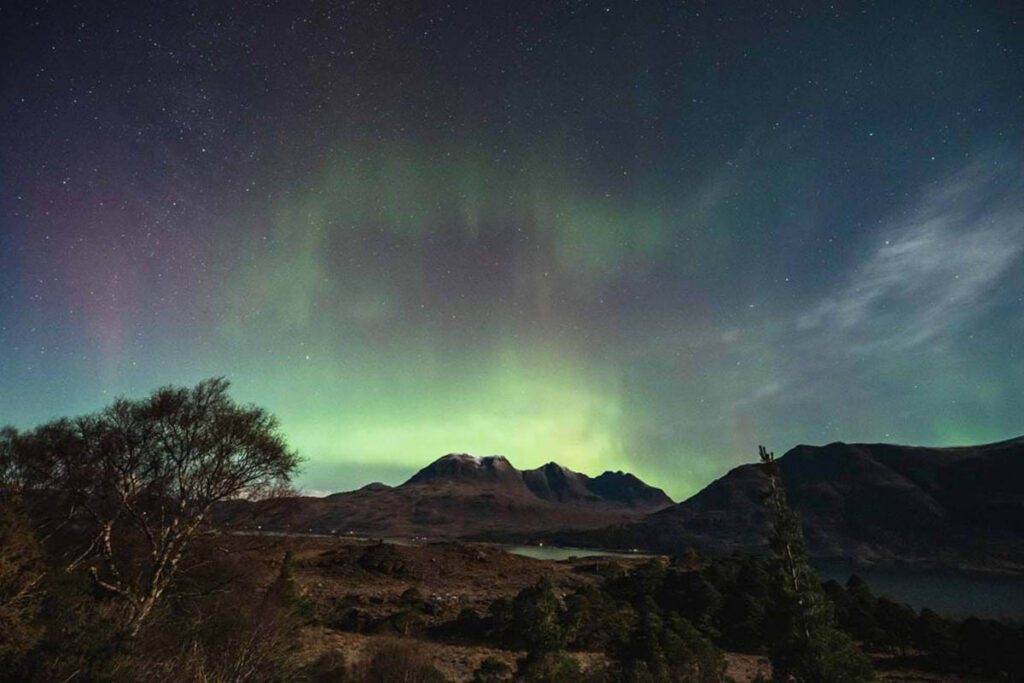
In the Scottish Highlands, autumn works best when you stop resisting it. The air gets sharper, the weather becomes part of the conversation, and the landscape takes on a more dramatic quality that suits the region perfectly.
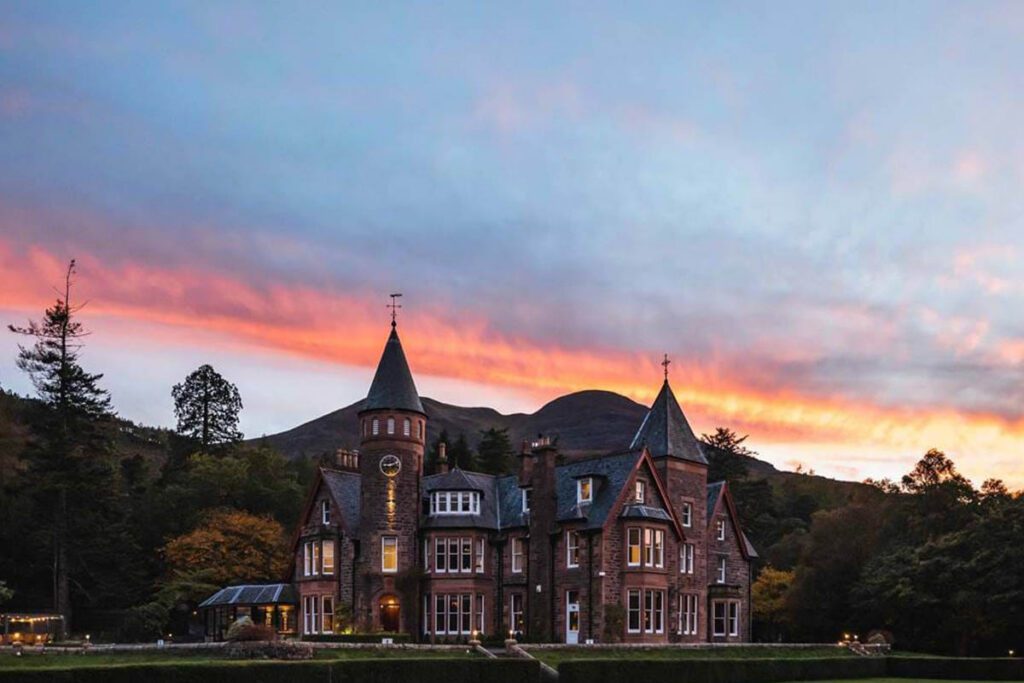
The Torridon is built for that kind of trip. Set in Wester Ross, the property’s in-house Torridon Outdoors team runs guided walks, mountain guiding, sea kayaking, mountain biking, archery, gorge scrambling, and other land and water activities designed for different levels of experience. Its current schedule operates year-round outside January, though exact days and availability shift with the season.
That means the weather does not need to ruin the plan. It simply changes it.
A more ambitious day might involve a guided mountain outing. A gentler one could mean a lower-level walk, sea kayaking, or something closer to the hotel. The point is not conquering one headline attraction. It is getting outside and letting the Highlands dictate the pace.
Then there is whisky, which suddenly feels very relevant after a day outdoors. The Torridon’s oak-paneled Whisky Bar currently lists 365 single malts, while its dining program includes Michelin-starred 1887 and the more relaxed Bo & Muc Brasserie.
The contrast with Rhodes could not be stronger, and that is exactly why both belong here.
Why stay here: The Torridon is for travelers who want to commit fully to autumn. Pack properly, get outside anyway, and finish the day with a dram somewhere that understands muddy boots are not a crisis.
Stay: Grand Hotel Toplice
Lake Bled takes the season in a completely different direction.
After the Highlands, this is less about getting into the weather and more about letting the landscape set the pace.
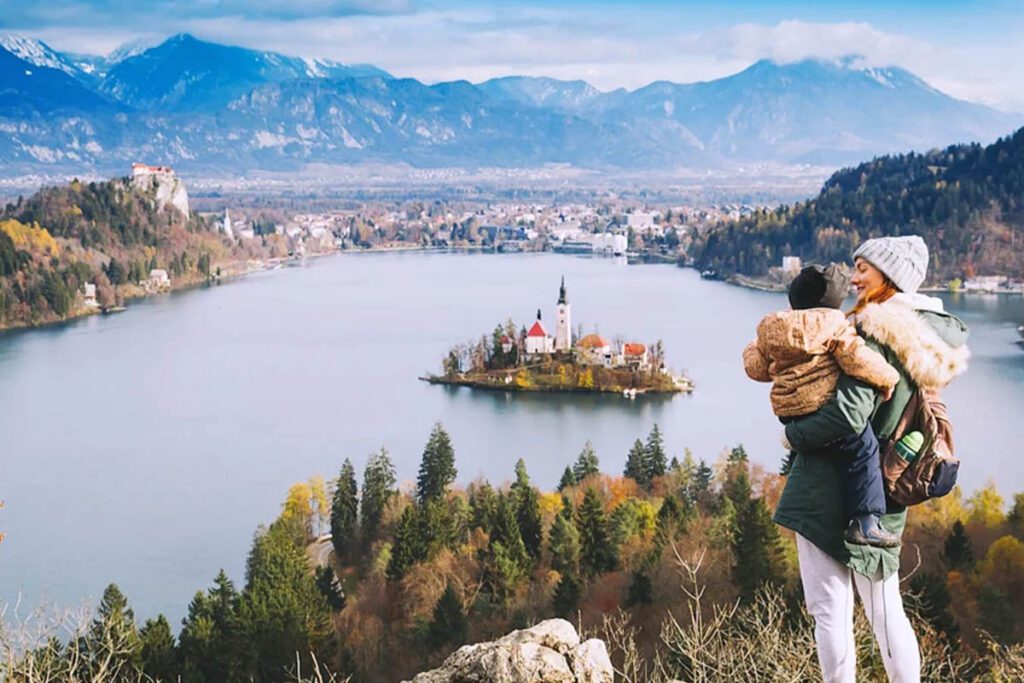
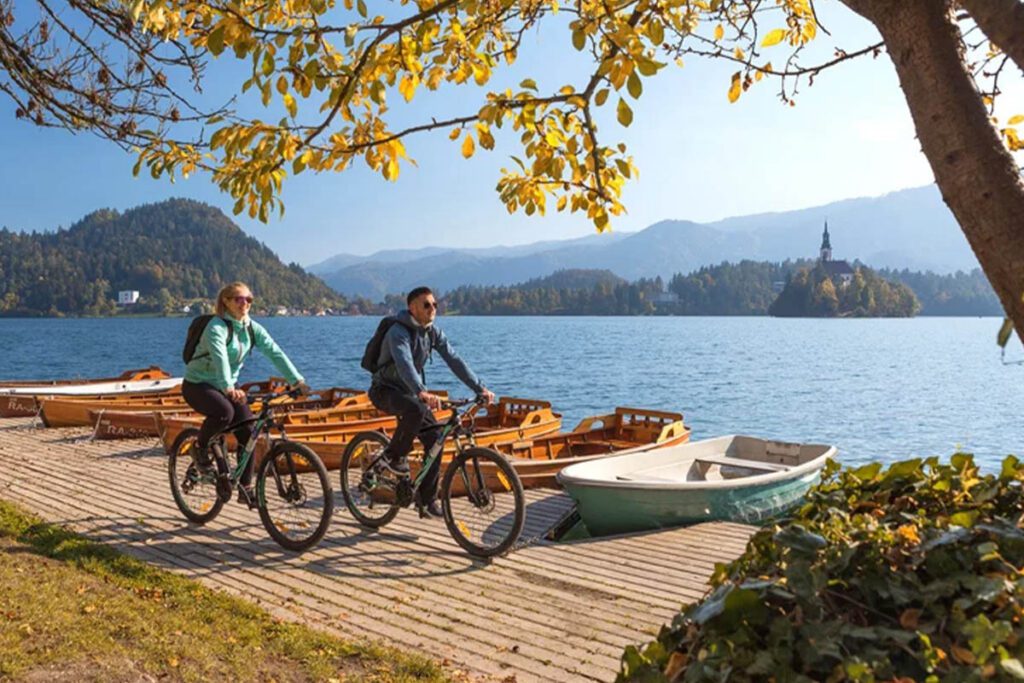
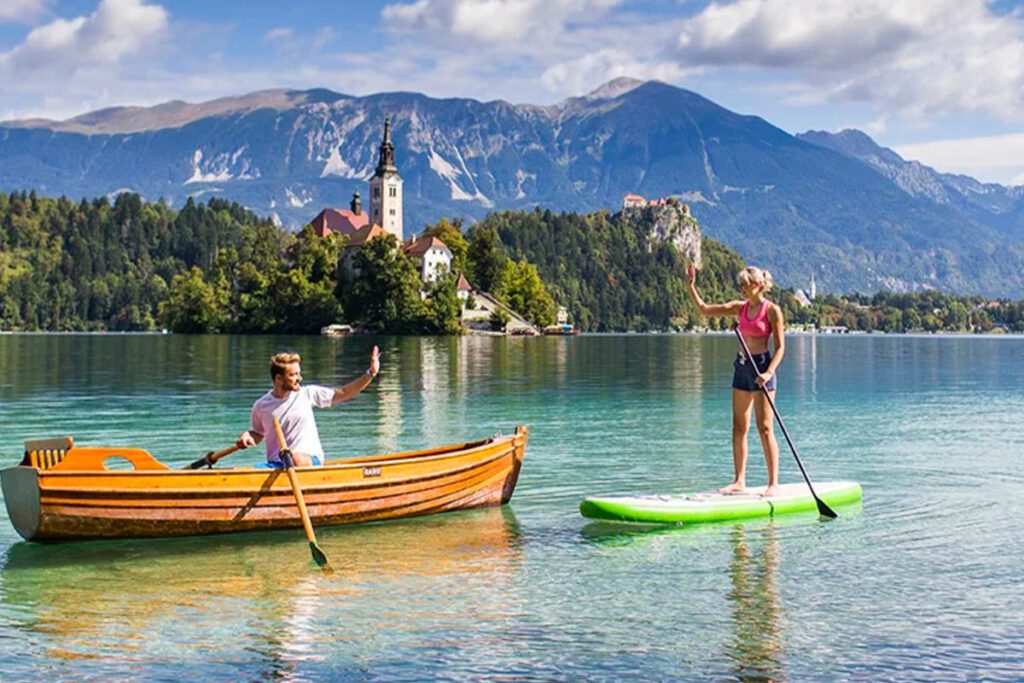
The lake is the obvious centerpiece, with Bled Island, the castle above the water, and the Julian Alps framing the scene. Walking and cycling are among the simplest ways to explore, whether you stick to the lakeshore or head farther into the surrounding countryside.
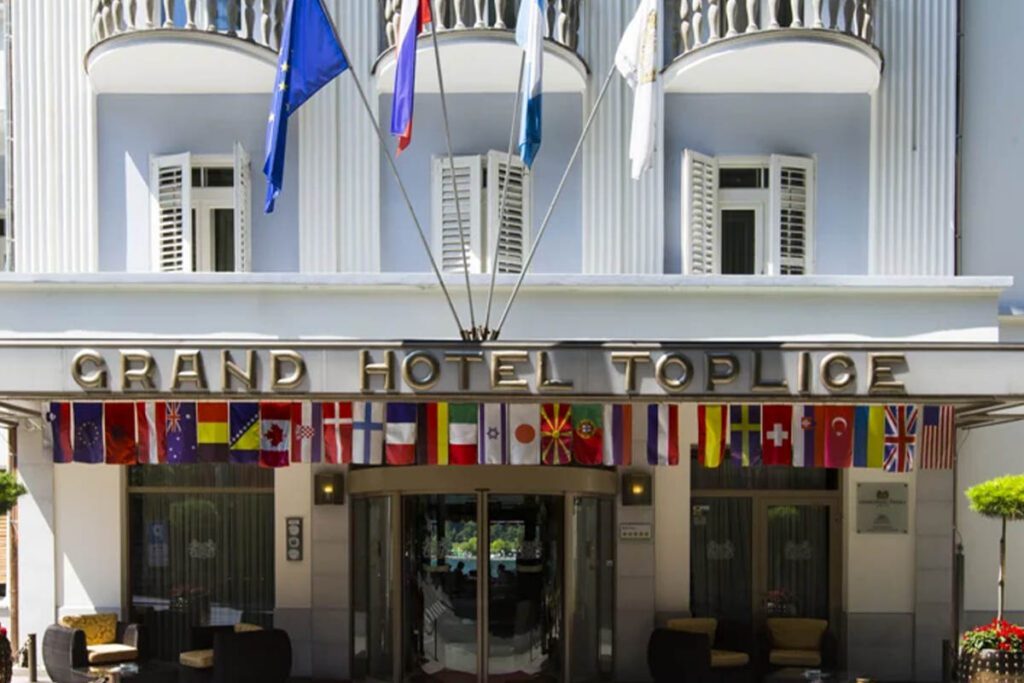
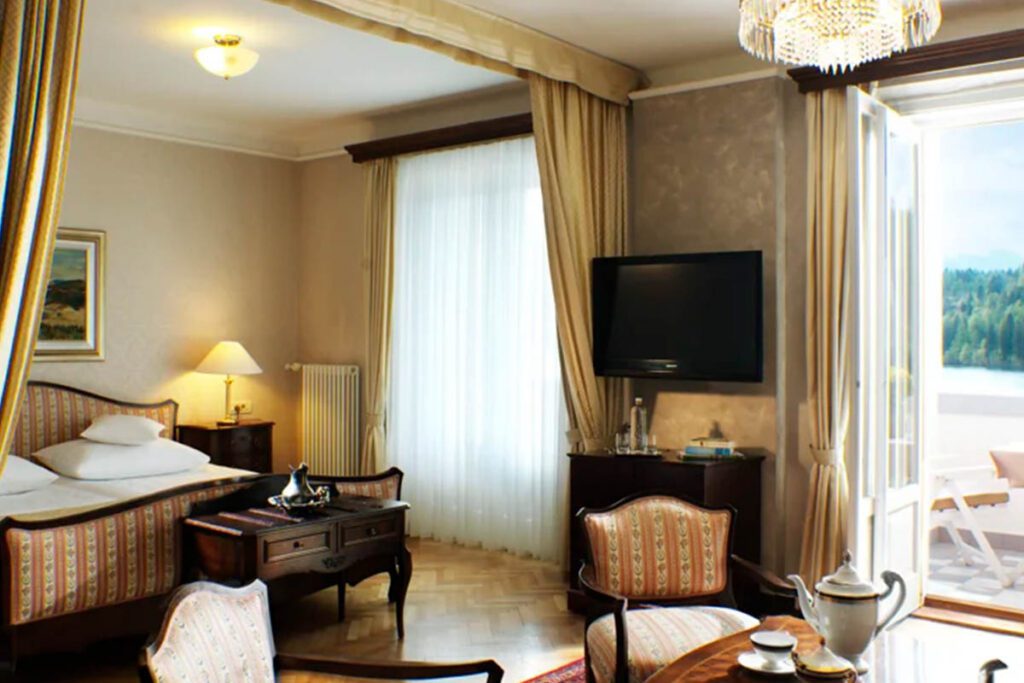
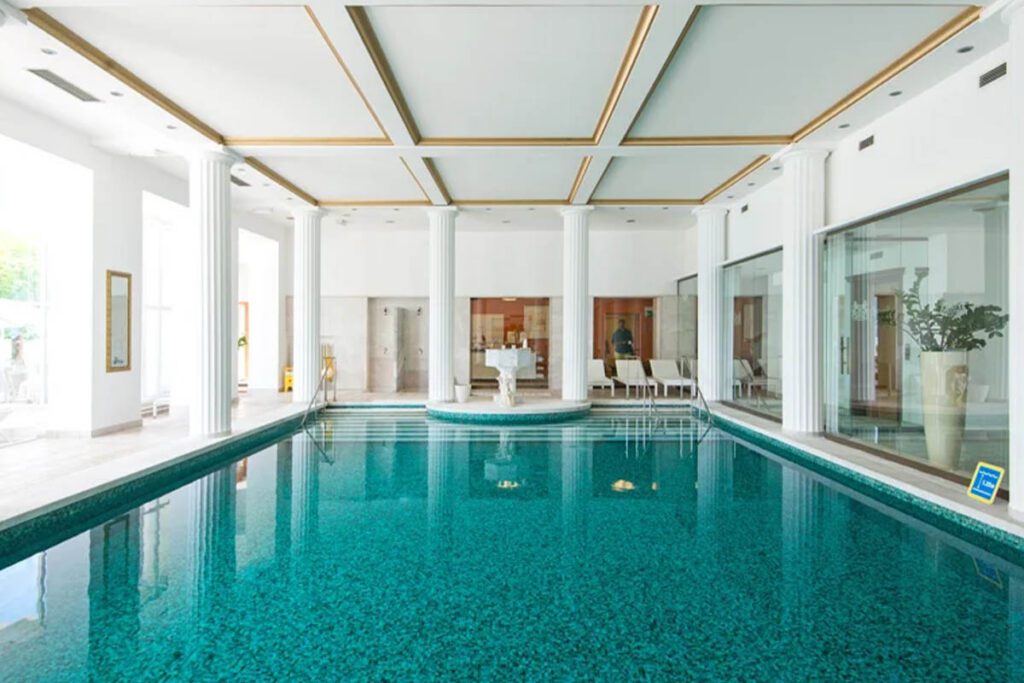
Grand Hotel Toplice fits because it keeps you directly on the water. The historic property sits on the shore of Lake Bled and includes a thermal pool, Spa Luisa, a private hotel beach, and its own boathouse. Guests can also use the property’s traditional wooden boats, weather permitting.
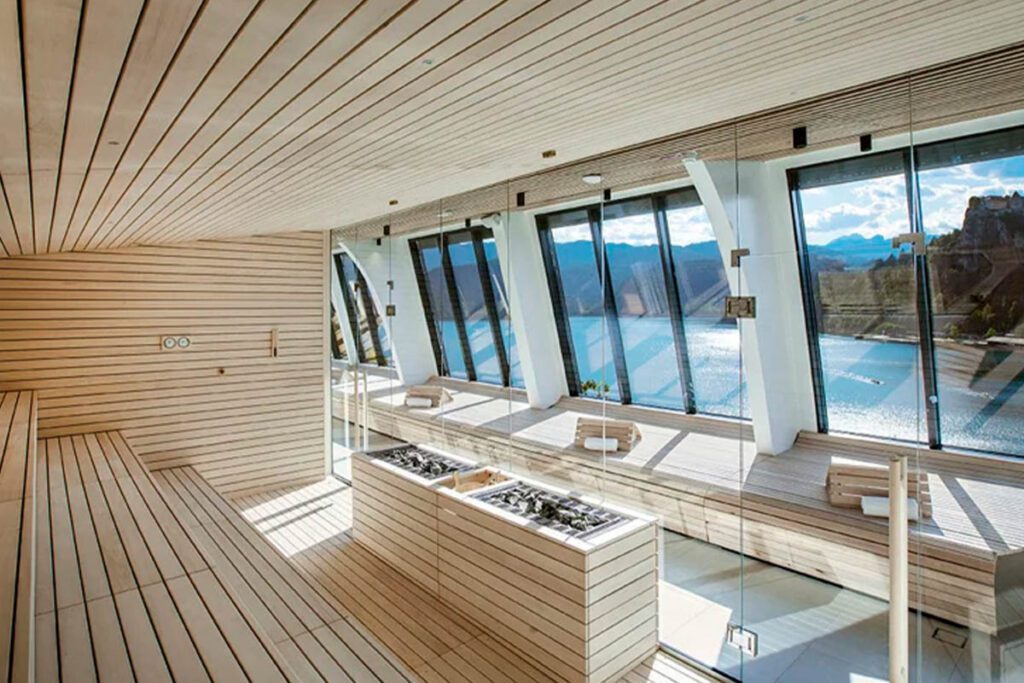
Spa Luisa adds another reason to slow down. The wellness area is built around a natural thermal spring and includes a thermal pool, saunas, treatments, and a private terrace overlooking the lake.
That is why Bled works best as the finale. There is plenty to do, but none of it needs to become a mission.
Walk around the lake. Take the boat out if conditions cooperate. Find a higher viewpoint if you want one. Then stop.
Sometimes the view has already done enough.
Why stay here: Grand Hotel Toplice is the pick for travelers who want scenery without turning the trip into an outdoor expedition. Walk, cycle, take a boat across the lake, and leave enough time to sit still and look at it.
The biggest mistake you can make with a fall trip to Europe is treating the entire continent like it is experiencing the same season.
It is not.
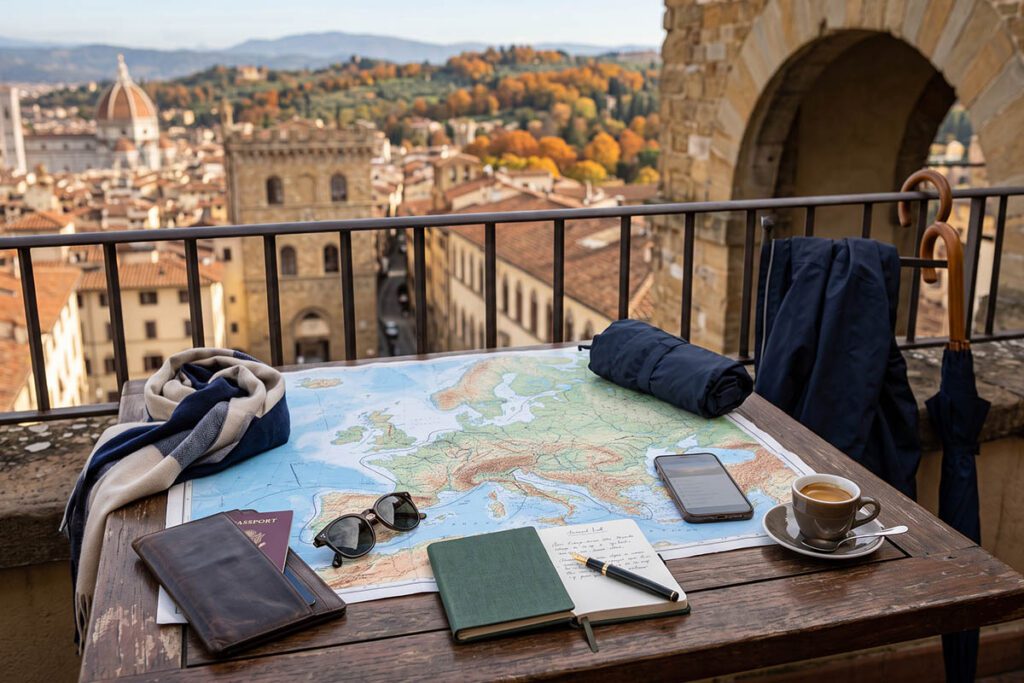
You could be packing for the beach in Rhodes while someone else is reaching for waterproof layers in the Highlands. That variety is the whole point, but it does mean the trip deserves a little more thought than throwing “Europe in October” into a weather app.
Match the Destination to the Fall You Actually Want
Start with the experience, not the map.
For food and seasonal traditions, Umbria makes sense. For wine, Burgundy has the clearer focus. If you still want warmth, look south. If culture and city wandering matter more, Seville becomes a smart choice once summer temperatures ease.
And if your ideal trip involves boots, changing weather, and whisky afterward, Scotland is clearly not trying to compete with Greece.
Check Seasonal Schedules Before You Build the Itinerary
Fall can be a great time to travel, but some destinations begin adjusting restaurant, activity, ferry, beach, or hotel schedules as the season progresses.
That matters most in places with weather-dependent outdoor experiences or strongly seasonal resort operations.
At The Torridon, for example, the Outdoors program currently shifts its opening days depending on the month, and activities remain subject to weather, tides, and availability.
At Grand Hotel Toplice, the private beach and boathouse currently operate daily but close in bad weather, which is exactly the kind of detail worth checking before building a day around the lake.
The practical rule is simple: if one experience would ruin your mood to miss, confirm it directly before booking the trip around it.
Pack for More Than One Version of Fall
There is no universal European fall wardrobe.
Scotland may call for waterproof layers and warmer clothing. Burgundy and Umbria can be mild by day and noticeably cooler after sunset. Seville and Rhodes may still justify lighter clothes, especially earlier in the season.
The answer is layers, comfortable walking shoes, and checking the actual forecast shortly before departure.
Trying to dress for “European fall” is about as useful as packing for “American weather.”
Book Seasonal Experiences Early
Some of the best fall experiences are tied to a limited window.
Reschio’s olive-picking experience, for example, takes place in October, with exact timing dependent on weather conditions.
Truffle hunts, vineyard experiences, special dinners, and private tastings can also have limited availability, especially at smaller properties.
This is one part of the trip where spontaneity becomes considerably less charming once everything interesting is booked.
Give Yourself a Little More Space
Fall is particularly good at rewarding travelers who stop trying to win Europe.
Umbria benefits from unplanned village stops. Burgundy deserves a lunch that runs longer than expected. Seville is better when you wander between neighborhoods rather than racing between landmarks. Lake Bled does not need twelve attractions scheduled around it.
If every afternoon is booked, you may be missing half the point.
What are the best places to visit in Europe in fall?
Some of the best places to visit in Europe in fall include Umbria for seasonal food, Burgundy for wine, Seville for culture, Rhodes for lingering Mediterranean warmth, the Scottish Highlands for outdoor adventure, and Lake Bled for scenery and a quieter pace. The right choice depends mostly on what kind of fall trip you want.
Is fall a good time to visit Europe?
Yes. Fall can bring more comfortable sightseeing conditions, seasonal food and wine experiences, changing landscapes, and continued beach weather in parts of southern Europe. The experience varies widely by destination, which is one of the season’s biggest advantages.
Where is it still warm in Europe during fall?
Southern Spain and Greek islands such as Rhodes are among the stronger options, particularly earlier in fall. Rhodes remains especially appealing for beaches and sea-based activities, while Seville becomes more comfortable for walking and sightseeing as summer heat eases.
Where can you see beautiful fall scenery in Europe?
The Scottish Highlands and Slovenia are particularly strong choices. Scotland offers a more rugged autumn experience, while Lake Bled combines water, forest, and mountain scenery in a much calmer setting.
Is September or October better for Europe?
September is often better for travelers who want lingering summer conditions, particularly around the Mediterranean. October generally brings a stronger autumn feel to destinations farther north and inland and can coincide with food, wine, and harvest-related experiences. Neither is universally better. Choose according to the kind of trip you want.
Is Europe cheaper in fall?
Sometimes, but do not assume every destination suddenly becomes inexpensive after August. Hotel rates can soften in some places, while wine regions, major events, school holidays, or especially popular seasonal destinations may still command high prices. Compare actual dates rather than relying on the phrase “shoulder season.”
What should you pack for Europe in fall?
Pack layers and plan around your specific destinations. Southern Europe may still call for lighter clothing and swimwear, while Scotland, Slovenia, Burgundy, or inland Italy can require warmer layers and rain protection. Comfortable walking shoes belong in the suitcase regardless. Fall is not the season to discover your beautiful new shoes hate cobblestones.
Fall is not the consolation season after everyone goes home.
In the right destination, it is the reason to go.
It can mean truffles and olive oil in Umbria, vineyard days in Burgundy, easier afternoons exploring Seville, one more swim in Rhodes, a weather-driven adventure in the Highlands, or a quiet lap around Lake Bled while the landscape changes around you.
The hardest part is deciding which version of the season sounds best.
Pick the destination that matches your mood, choose the hotel that adds something to the trip, and leave enough room in the itinerary for Europe to surprise you.
Signature Moments: 5 Unforgettable Experiences at Villa Park Maldives 5 Must-Try Villa Park Maldives Experiences Some resorts promise luxury. Others promise adventure. But Villa Park Maldives delivers something far more memorable: experiences that feel deeply personal and rooted in place. … Read More
There is no excerpt because this is a protected post.
A Seaside Sanctuary: Discover Shade Hotel Redondo Beach Redondo Beach Luxury Hotel – Shade Hotel Redondo Beach Experience coastal luxury at Shade Hotel Redondo Beach, where every detail celebrates the natural beauty of Southern California’s waterfront. Proudly boutique and rooted … Read More
There is no excerpt because this is a protected post.
Embark on Unforgettable Adventures with Galapagos Luxury Charters Discover Unrivaled Luxury and Adventure with Galapagos Luxury Charters Experience the ultimate in luxury and adventure with Galapagos Luxury Charters. Discover the Galapagos Island’s breathtaking beauty and unparalleled biodiversity aboard exclusive yachts … Read More
There is no excerpt because this is a protected post.