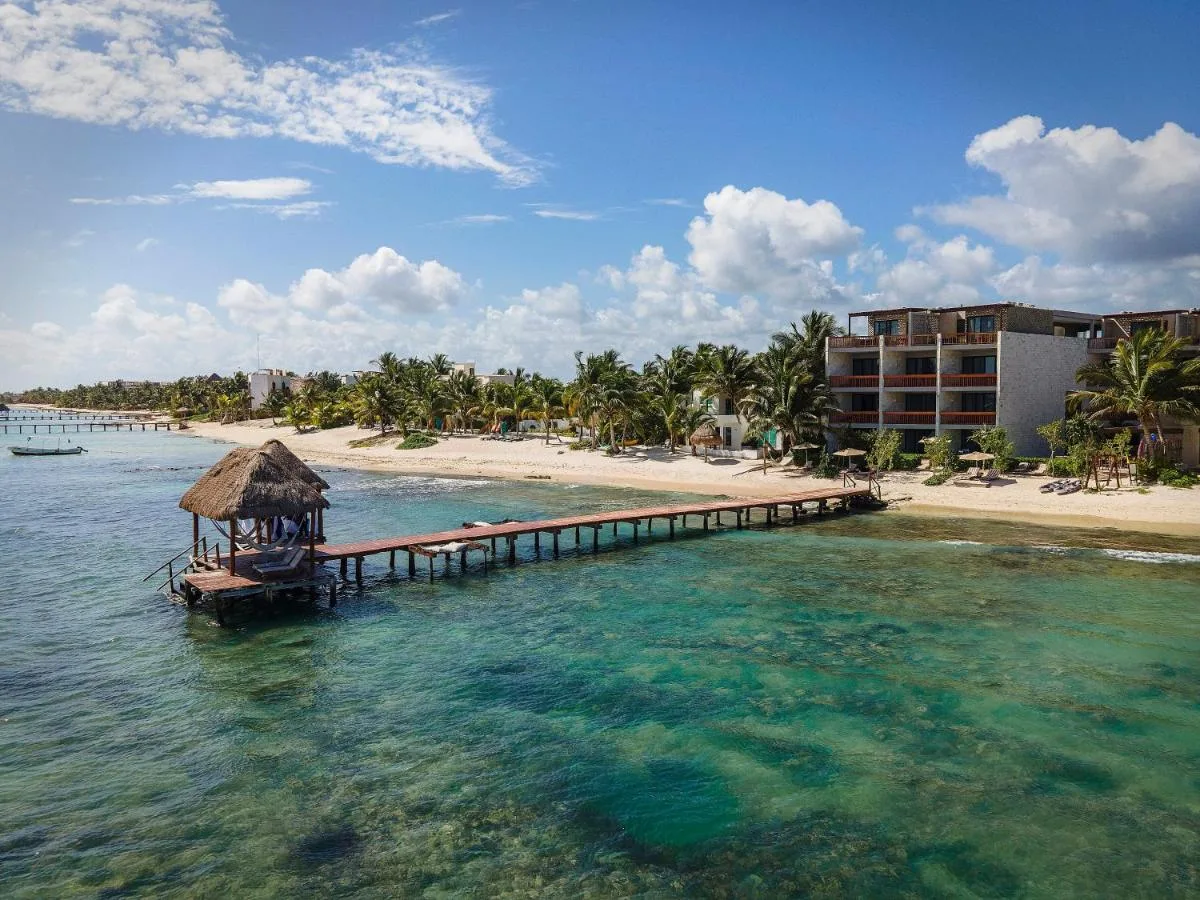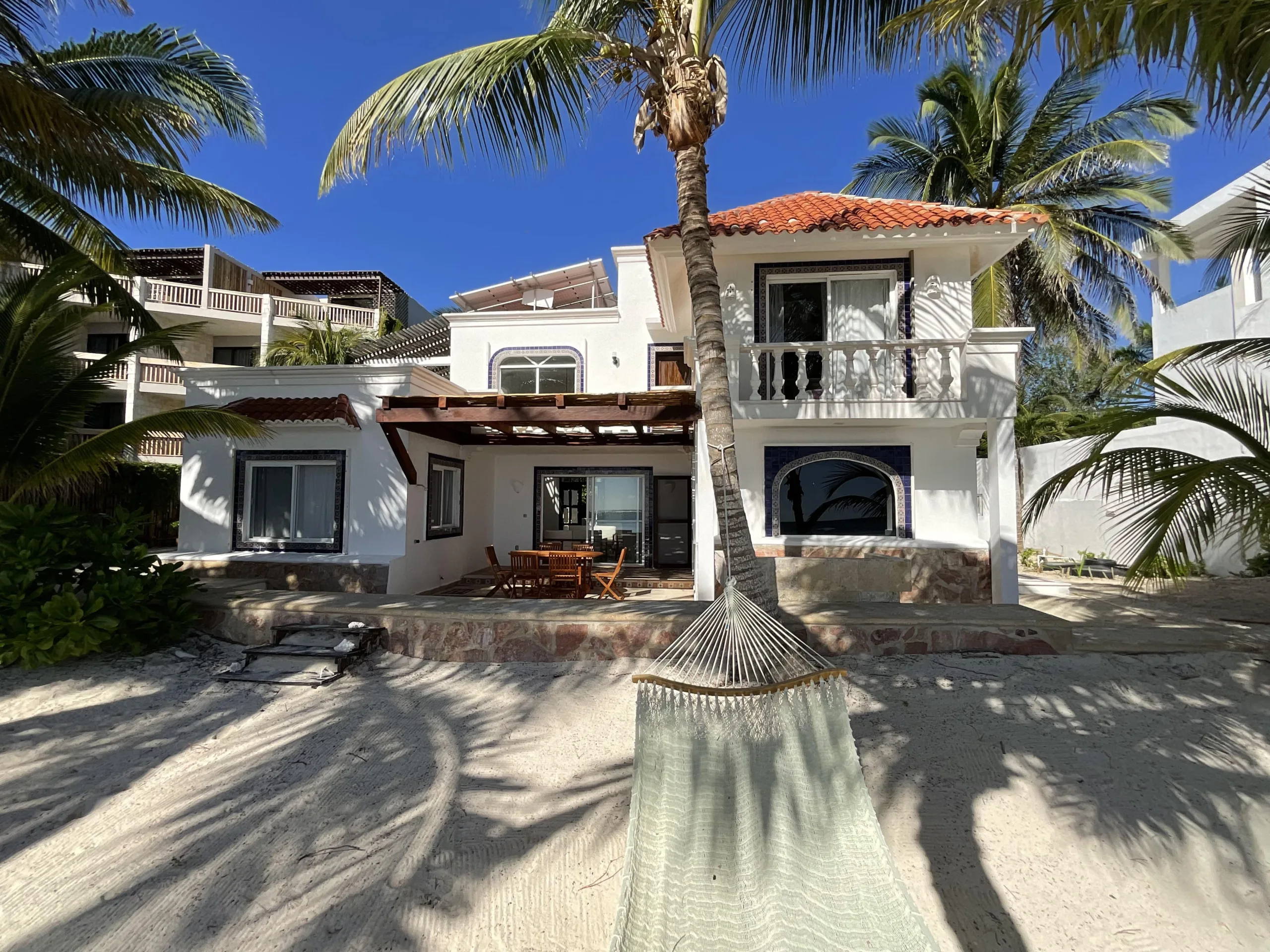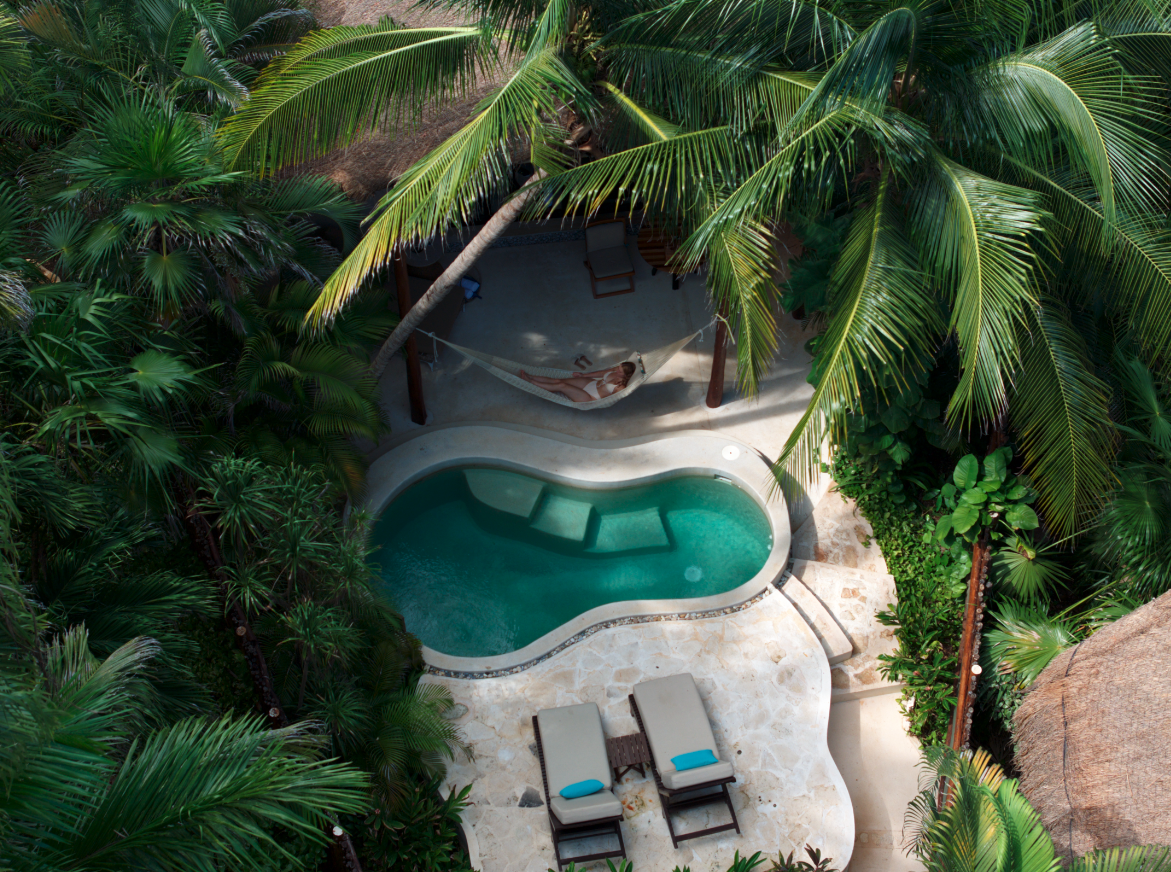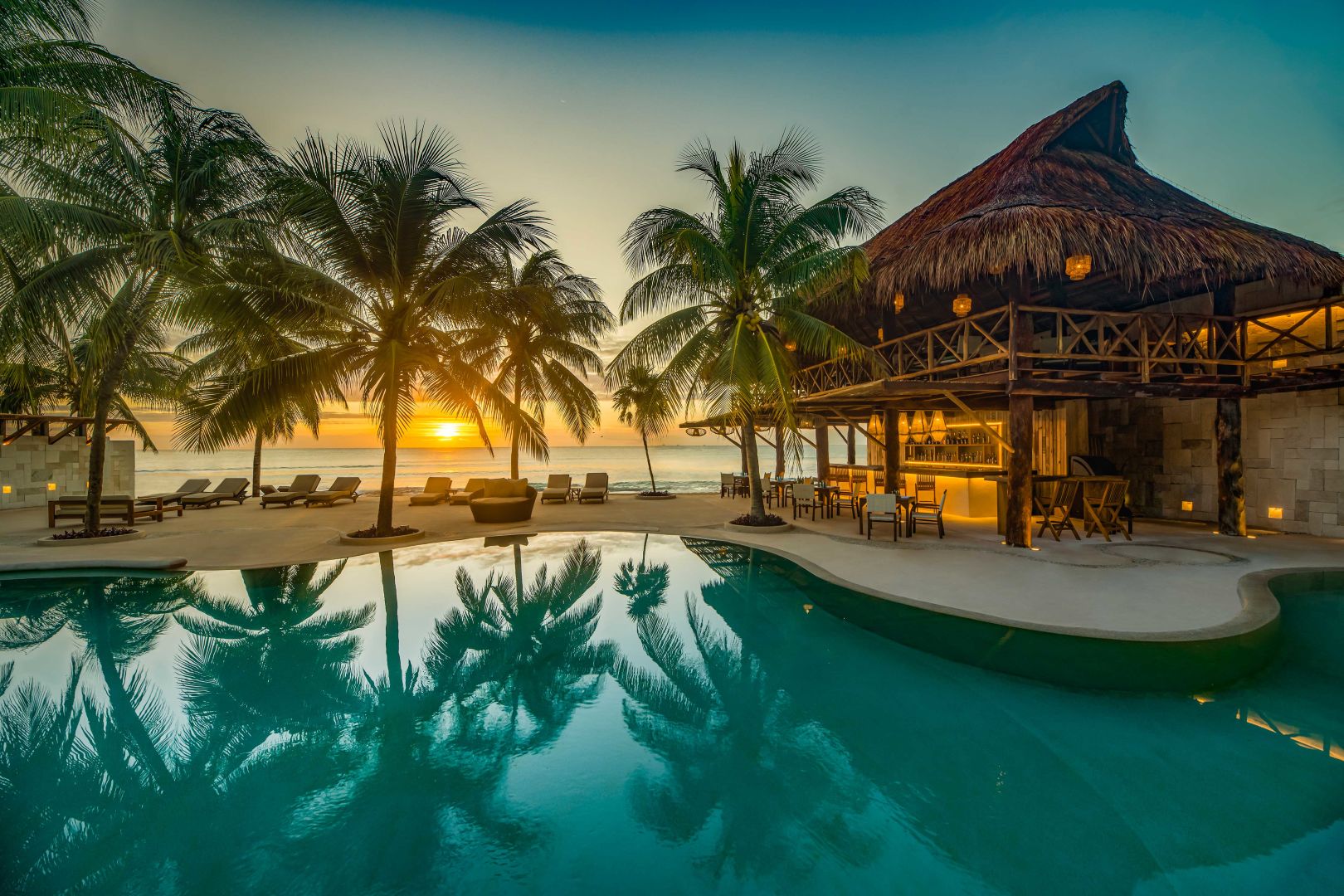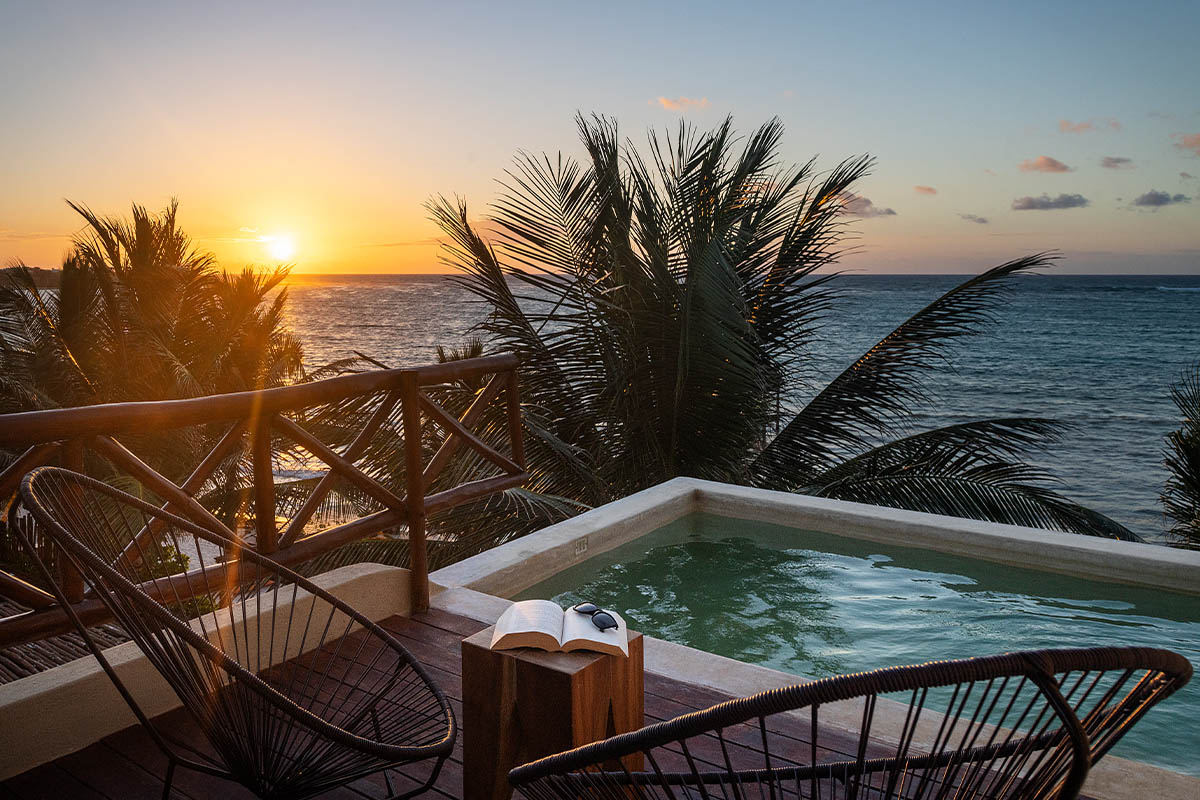
Mereva Tulum Hotel in Tankah Bay: A Quiet Beachfront Escape in Tulum Tulum can feel like a lot when you hit it at the wrong time. The crowds, the traffic, the constant buzz that never quite lets you switch off. … Read More

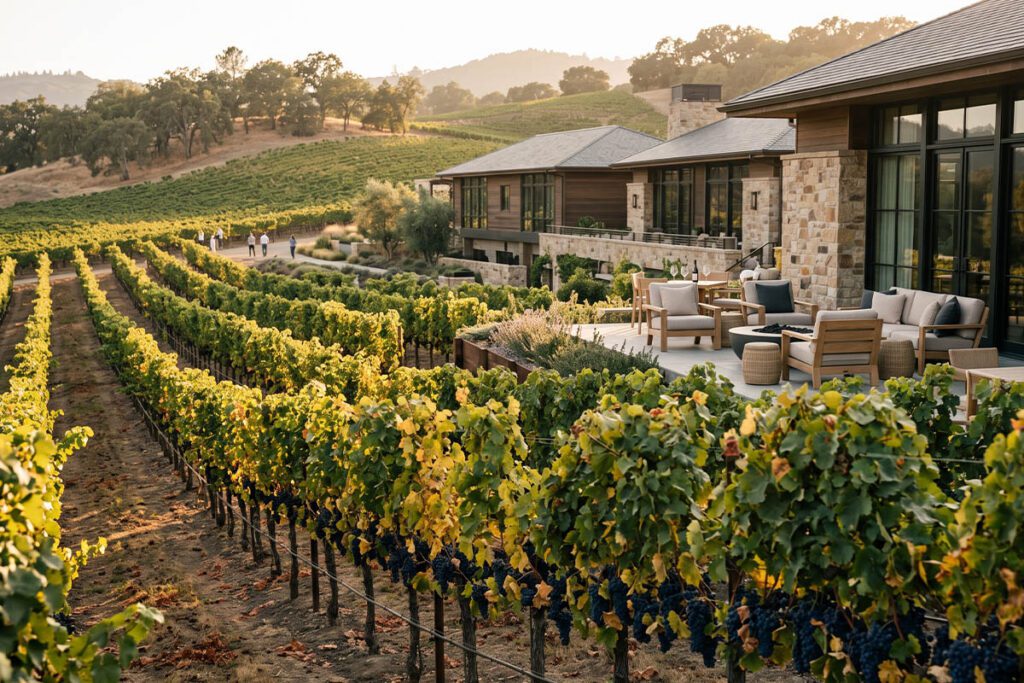
Wine country is appealing year-round, but harvest season is when things get considerably more interesting. Vineyards are busy, crush pads are active, tasting rooms have a little more energy, and the whole region feels like it is actually doing the thing everyone came to see.
For travelers, that makes late summer into fall one of the most rewarding times to plan a wine-country escape. In Napa Valley, harvest typically begins in late summer and continues through fall, bringing seasonal dinners, special tastings, and a closer look at the winemaking process. In Oregon’s Willamette Valley, September and October sit firmly within harvest season, when wineries are deep into the most important stretch of their year.
Of course, where you stay matters. The best luxury wine country resorts do more than give you a polished place to sleep between tastings. Some put a working winery outside your room. Others bring local winemakers to the dinner table, surround you with estate vineyards, or simply provide such a good place to spend the afternoon that another winery reservation suddenly feels unnecessary.
From Napa and Sonoma to Oregon’s Pinot Noir country and Walla Walla, these are six stays that make harvest season worth planning a trip around.
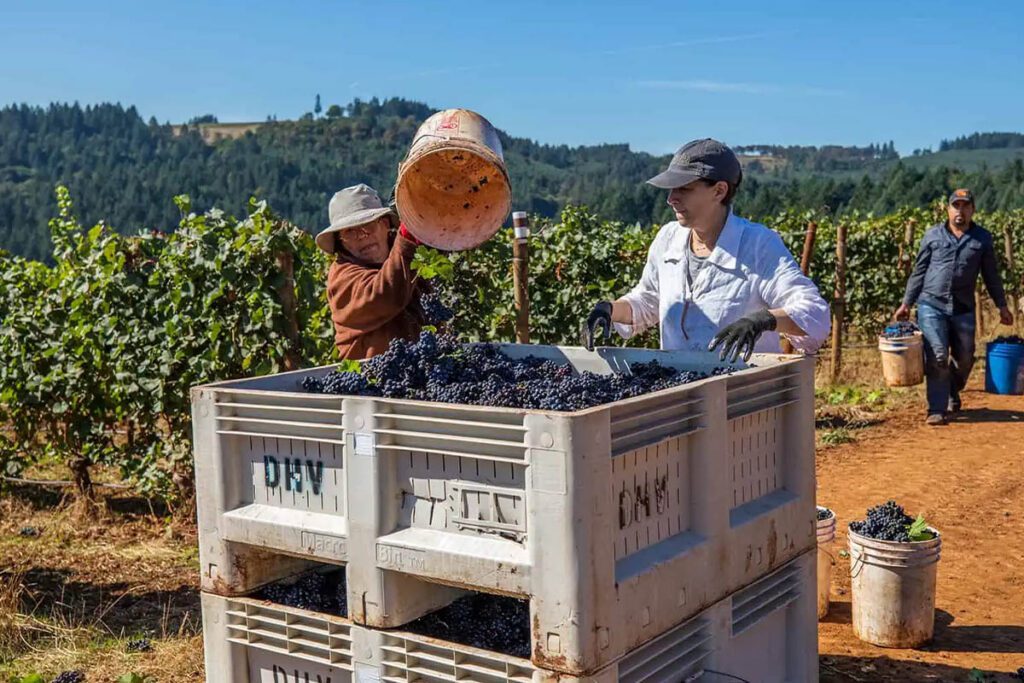
Harvest is when wine country stops feeling like scenery and starts feeling like a working landscape.
Exactly what you see depends on where and when you travel. Grapes ripen at different times, and weather can move the harvest calendar forward or back from one vintage to the next. In the Willamette Valley, September and October are officially considered harvest season, while Napa’s crush period stretches across late summer and fall.
For visitors, the appeal goes beyond watching grapes come off the vines. Resorts and wineries lean into the season with winemaker dinners, vineyard walks, special tastings, blending sessions, and culinary experiences that connect what is in the glass to what is happening outside.
There is also something particularly good about wine country at this time of year. Days can still be warm enough for a pool or terrace, evenings start asking for an extra layer, and the vineyards slowly shift toward their fall colors.
The only downside? Other people have figured this out too. Harvest is prime time in several major wine destinations, so the smartest version of spontaneity involves making your important reservations first and improvising around them later.
Four Seasons Resort and Residences Napa Valley has one advantage that is very hard to argue with: the winery is right there.
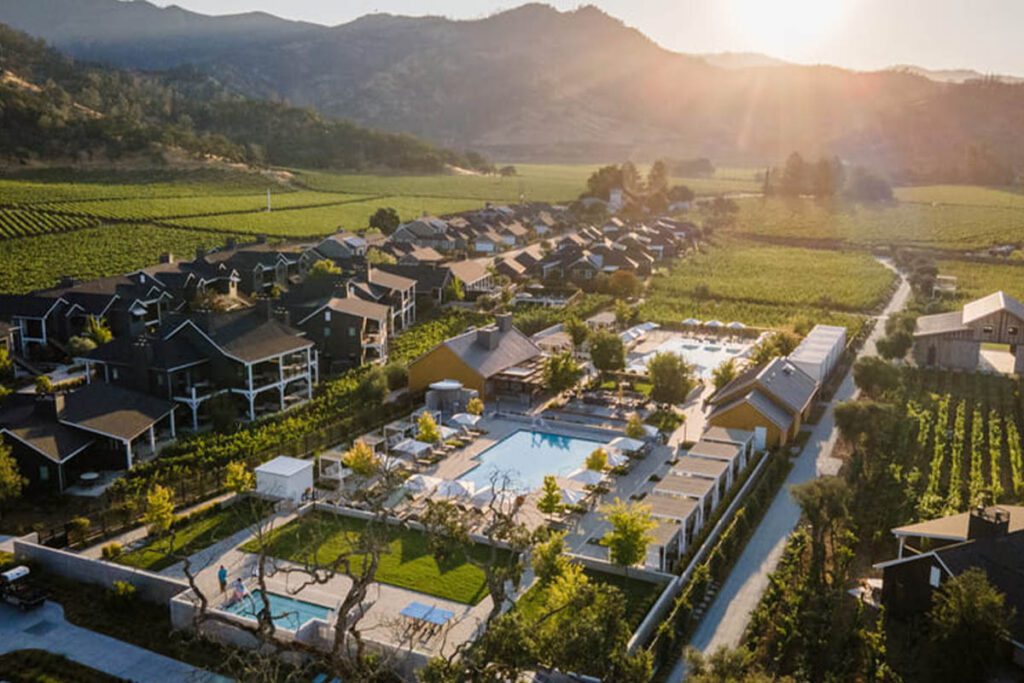
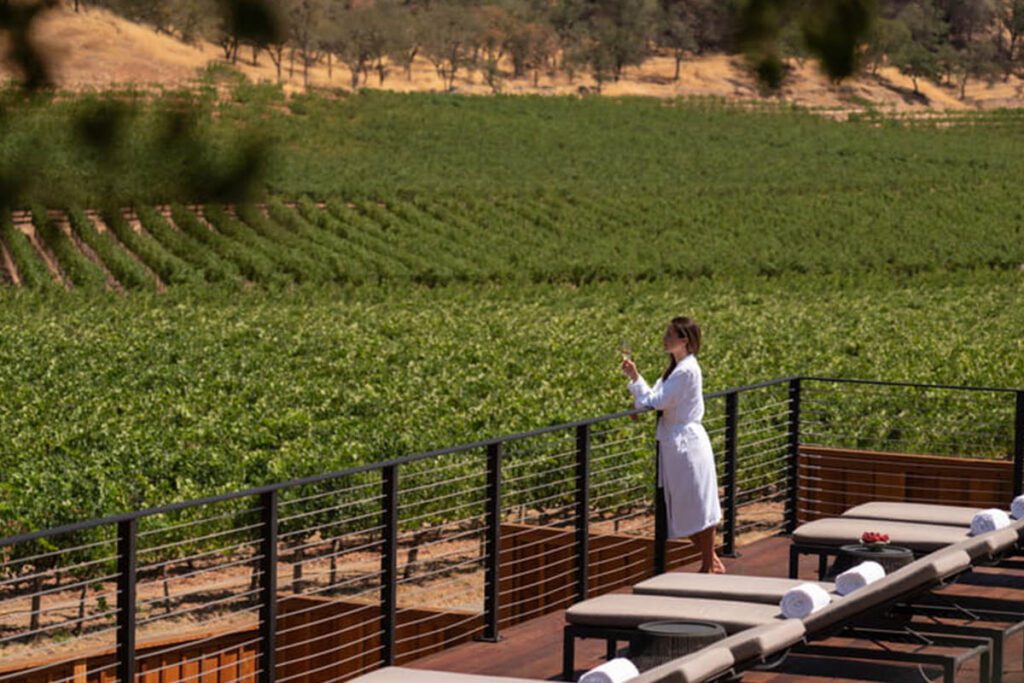
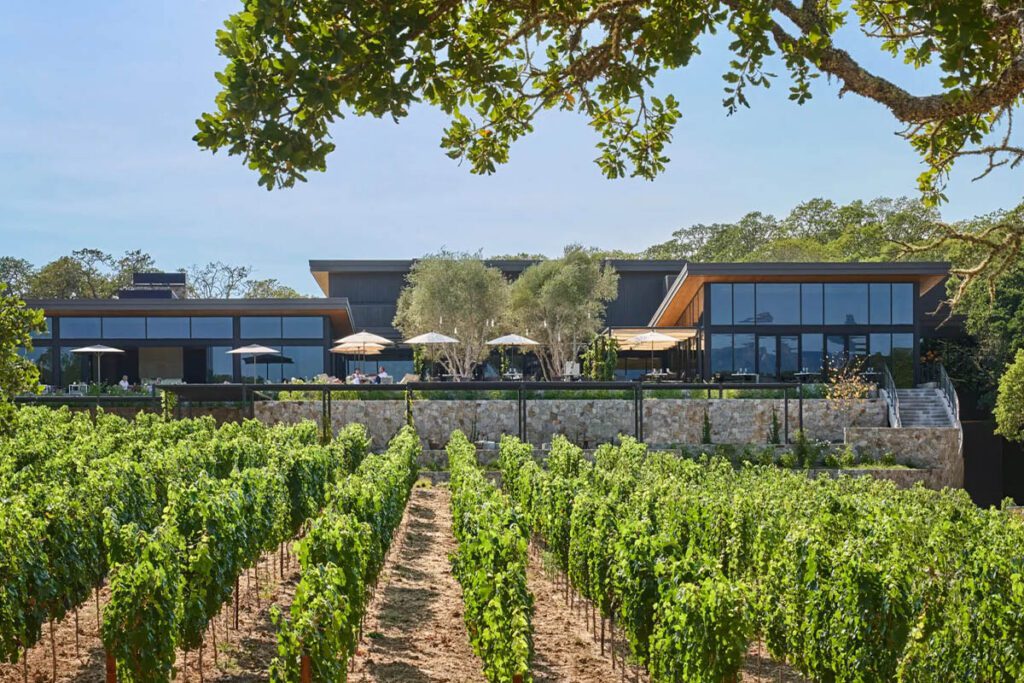
Set in Calistoga at the northern end of Napa Valley, the resort surrounds a 4.7-acre organic Cabernet Sauvignon vineyard, with Elusa Winery just steps from the guestrooms. Four Seasons identifies it as the only Five-Star resort in Napa Valley with an on-site working winery, giving guests an unusually close view of what happens between vineyard and bottle. During harvest, that can mean watching the work unfold around the property rather than driving across the valley looking for it.
The wine program goes considerably deeper than a standard tasting flight. Elusa offers harvest-focused opportunities to explore the vineyard and winemaking process, while Four Seasons’ current private wine experiences extend into Calistoga and the surrounding valley through partners including ADAMVS, Davis Estates, and Chateau Montelena.
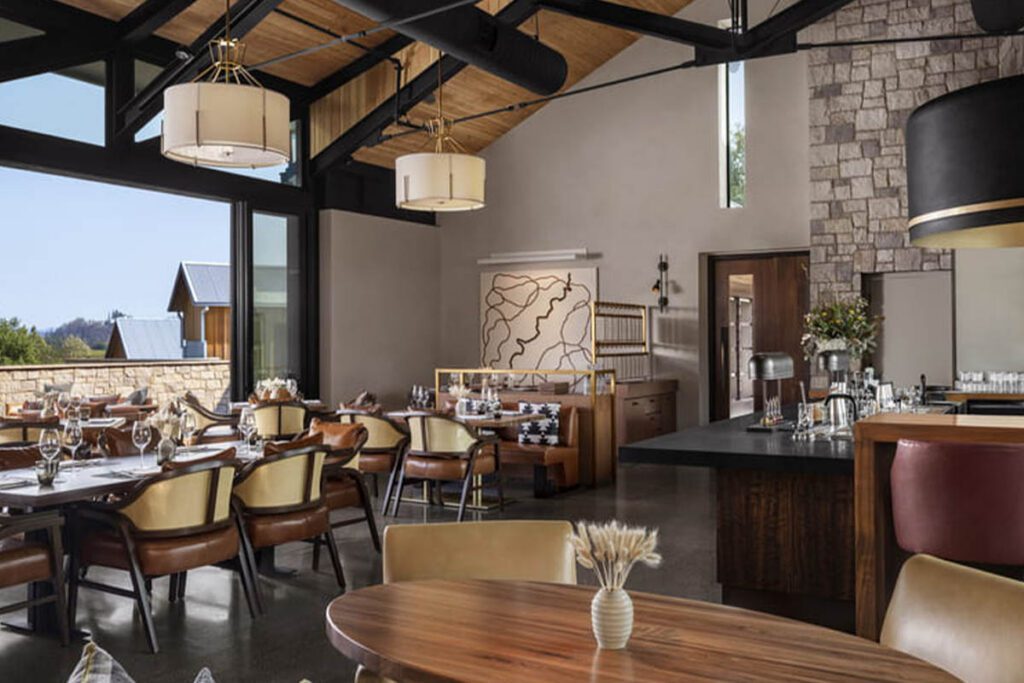
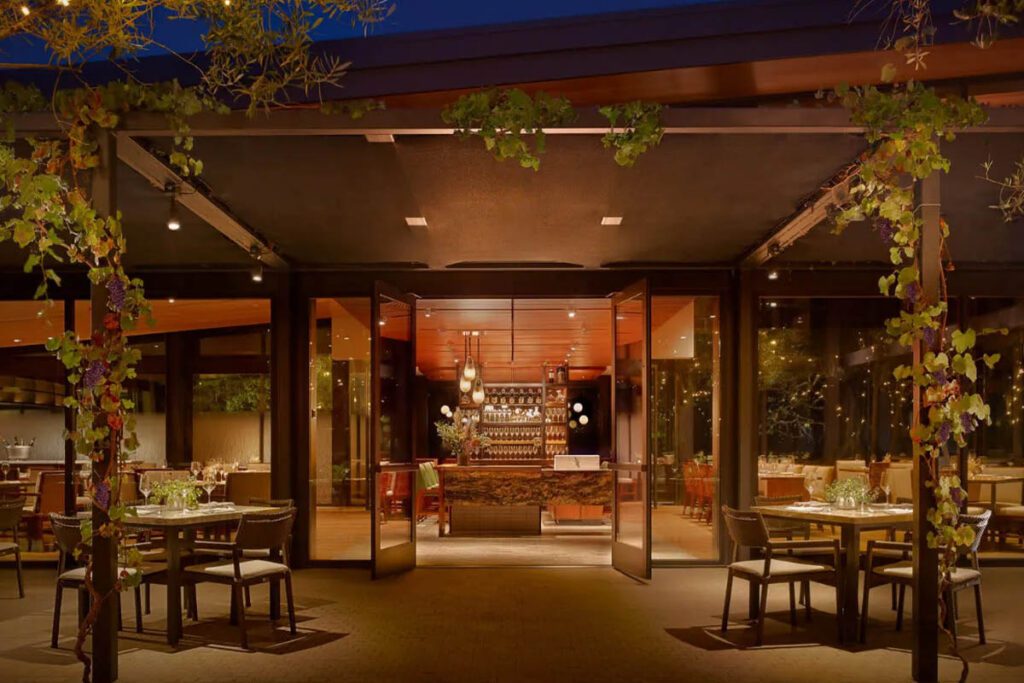
Then there is the advantage of staying at an actual resort. September and October can still bring pool-worthy afternoons in Calistoga, Spa Talisa gives you somewhere to disappear between wine appointments, and Michelin-starred Auro makes dinner worthy of its own slot on the itinerary. Four Seasons even leans into harvest with seasonal wine and dining programming across the property.
Why stay here: This is the strongest choice for travelers who want wine woven into almost every part of the stay. You can explore Napa from here, certainly, but the real luxury is realizing that you do not have to leave the resort to feel like you are in the middle of harvest.
If Four Seasons puts you right inside the winemaking action, Montage Healdsburg makes a case for giving wine country a little more space.
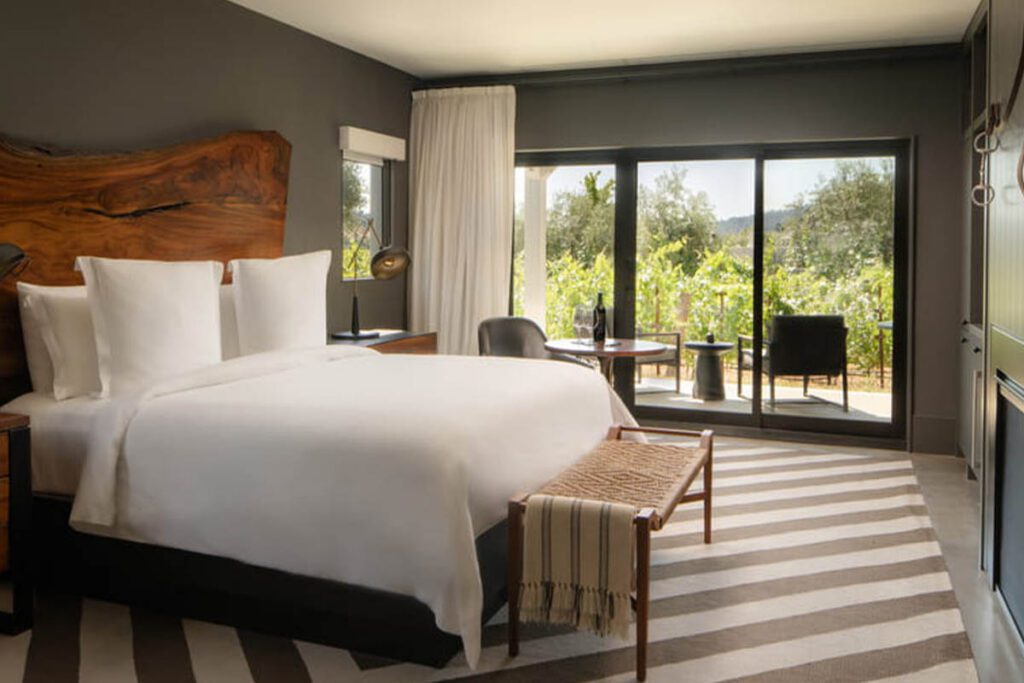
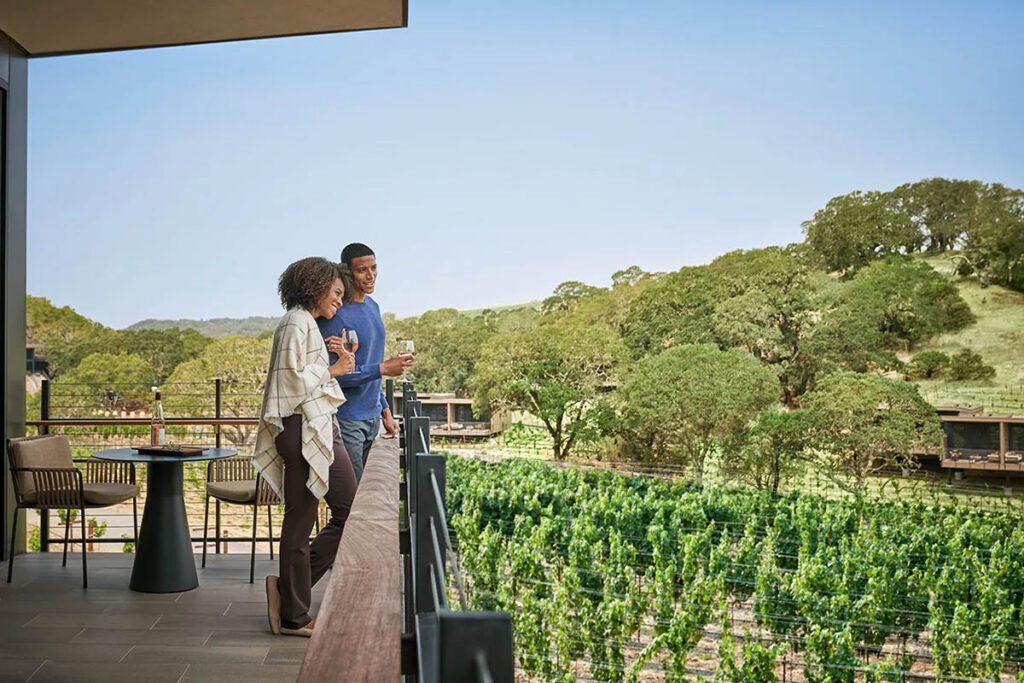
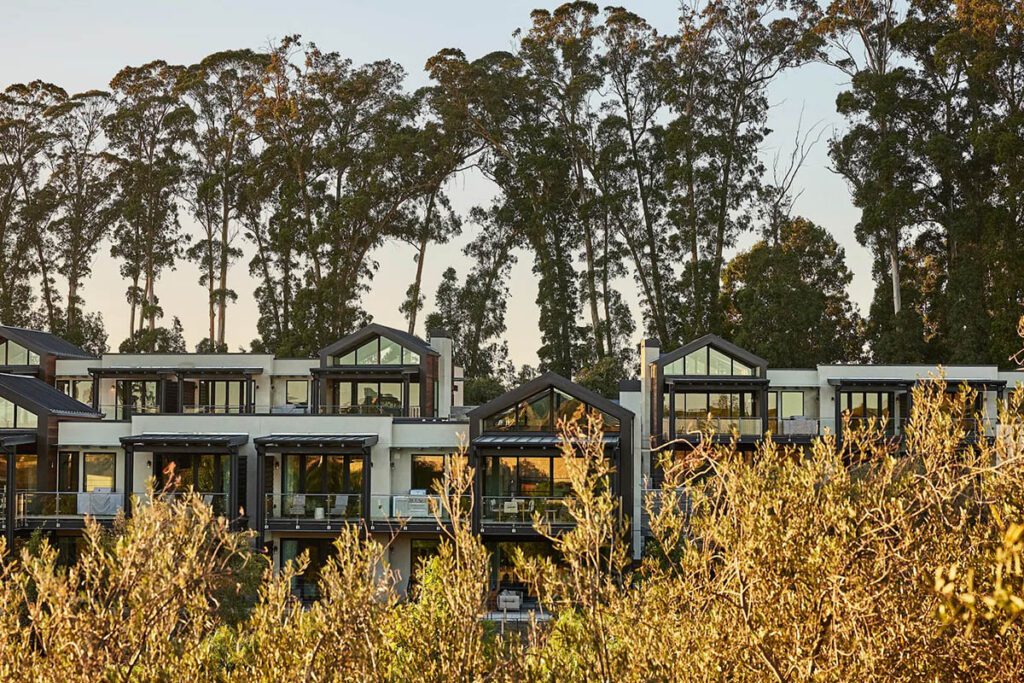
The resort spreads across 258 acres in Sonoma County, surrounded by vineyards and oak-covered landscape near the Alexander, Dry Creek, and Russian River valleys. Its bungalow-style accommodations emphasize indoor-outdoor living, making the surroundings feel less like something you admire through a lobby window and more like part of the actual stay.
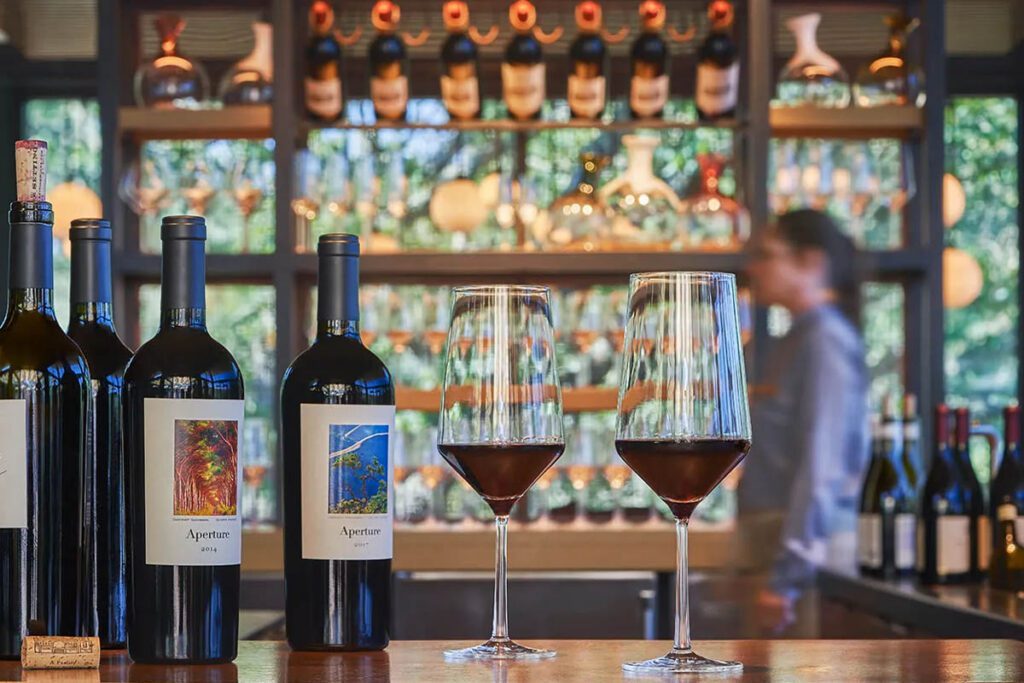
Wine is still very much at the center. Montage is home to 15.5 acres of vineyards planted with Malbec, Merlot, Petit Verdot, Cabernet Franc, Cabernet Sauvignon, and Sauvignon Blanc. The vines are cultivated under the direction of winemaker Jesse Katz, with the grapes made into wine at nearby Aperture Cellars. The resort can also arrange private tastings and immersive visits with wineries throughout Sonoma’s major wine regions.
Harvest adds its own rhythm. Montage describes late summer through autumn as a period of grape picking, olive milling, and honey harvesting, when warm days and crisp evenings turn the estate into a particularly good place to be outdoors.
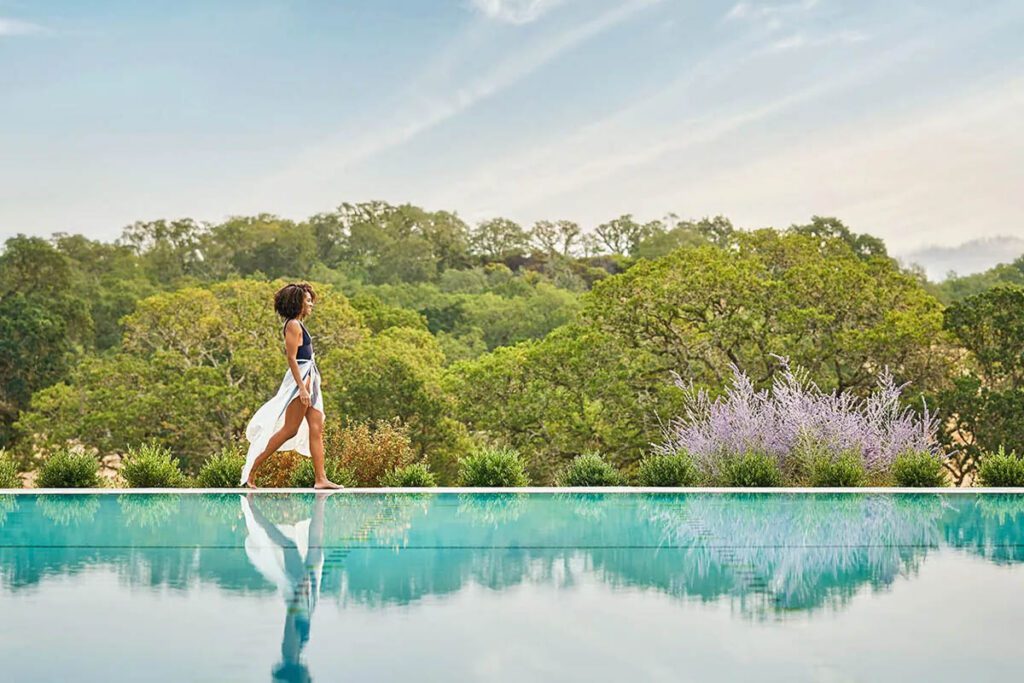
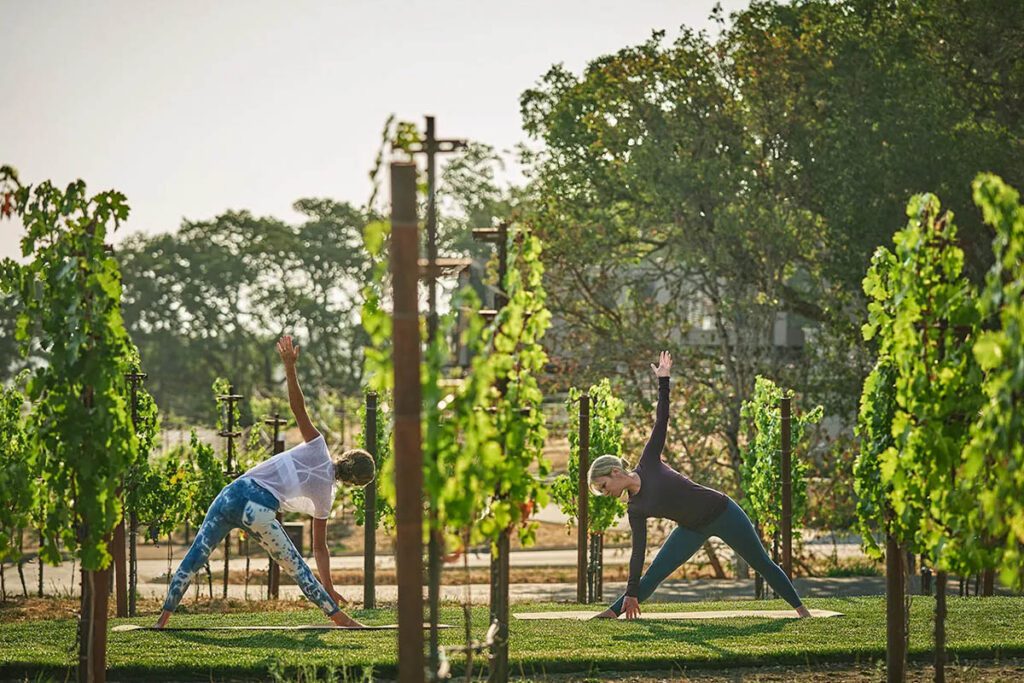
And unlike a trip built entirely around tasting rooms, there are plenty of reasons to occasionally put the wine glass down. Hiking, biking, vineyard yoga, Spa Montage, pools overlooking the vines, and easy access to Healdsburg give the stay a broader sense of place.
Why stay here: Montage works especially well for travelers who want serious Sonoma wine access without turning the trip into a tasting-room marathon. Have the Cabernet. Visit the winery. Then go for a bike ride and remember there are other excellent ways to spend an afternoon.
Stanly Ranch feels less like classic Napa and more like what Napa looks like after a very good redesign.
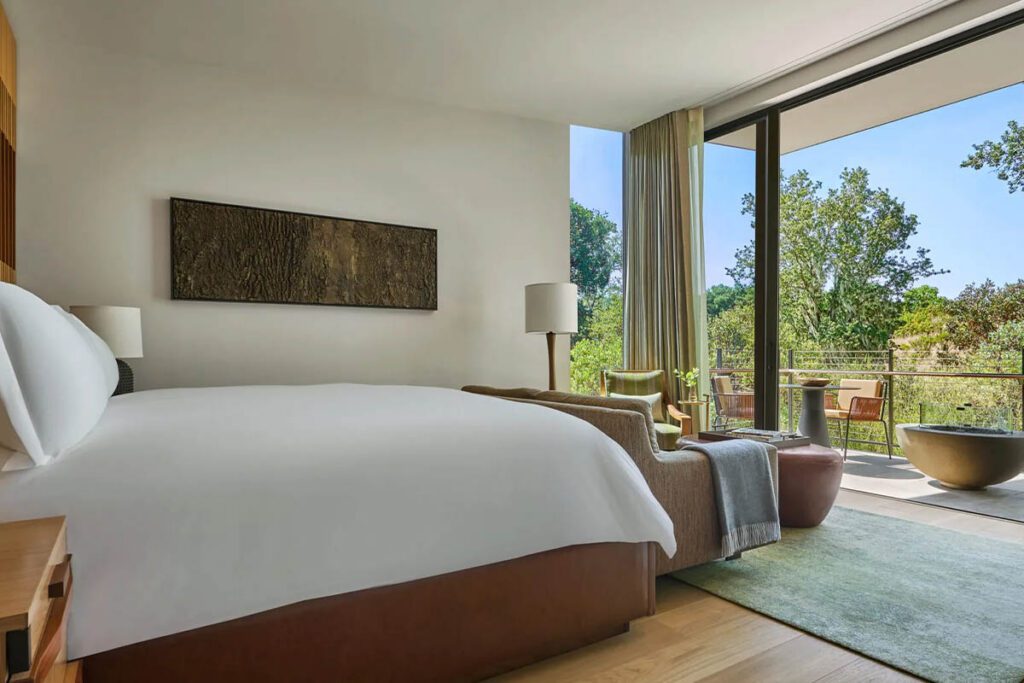
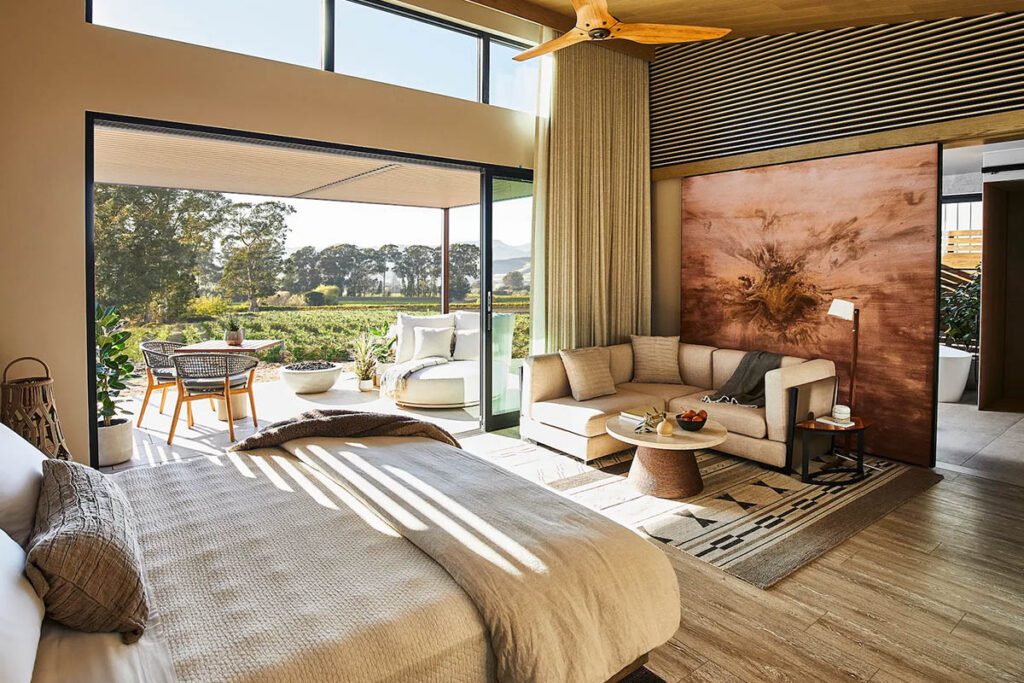
Set on the southern edge of Napa Valley, the resort takes a contemporary, open-air approach to wine-country living. Guestrooms, suites, villas, vineyards, gardens, walking paths, and the expansive Halehouse wellness complex give it an identity that goes well beyond simply being another beautiful place near Cabernet vines.
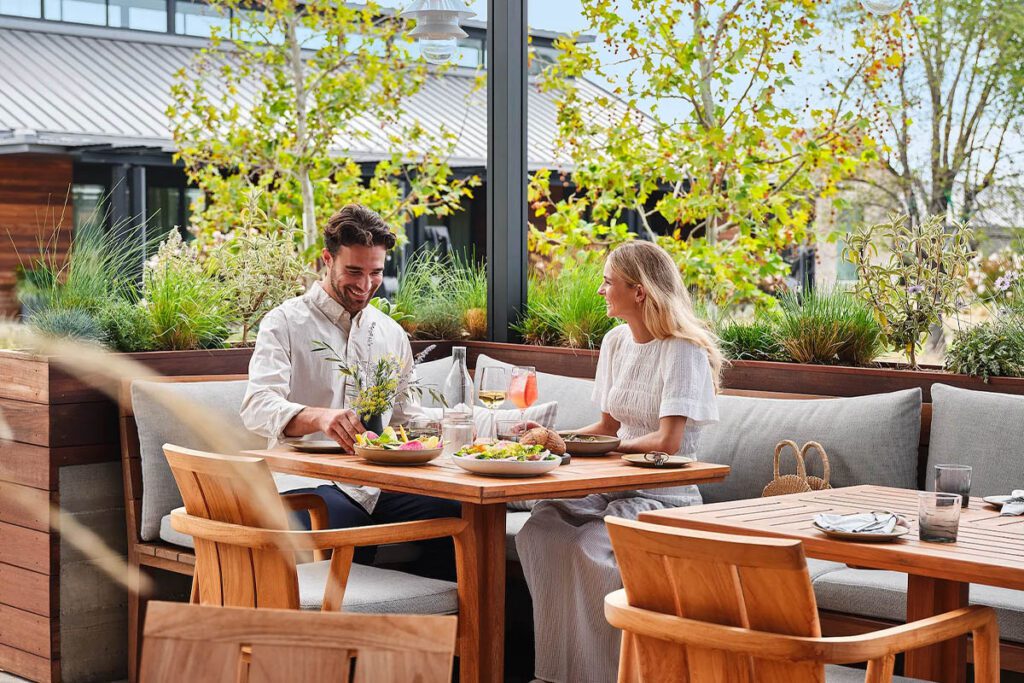
Harvest is where that mix of food, wine, and land becomes especially interesting. Stanly Ranch’s 2026 Grange Harvest Dinner Series brings together visiting chefs, Napa Valley wines, and produce from the property’s culinary garden, turning the season into something you can experience at the table rather than merely admire from a tasting room.
That farm-driven approach helps distinguish Stanly Ranch from the other Napa property on this list. Here, wine shares the spotlight with wellness, food, gardening, cycling, and hands-on programming. The result feels less formal and more lifestyle-driven, which is precisely the point.
You can spend part of the day exploring Napa wineries and another part at Halehouse, on a bike, or around the ranch. Nobody says a proper wine-country itinerary requires discussing tannins from breakfast through dinner.
Why stay here: Stanly Ranch is the pick for travelers who want Napa with a more contemporary point of view. Come for the wine and harvest dinners, but stay because the resort understands that a great Napa trip should have room for wellness, design, good food, and a few hours when nobody asks you to identify tasting notes.
By the time you reach The Allison Inn & Spa, the scenery, climate, and wine have all changed, which is exactly why it belongs here.
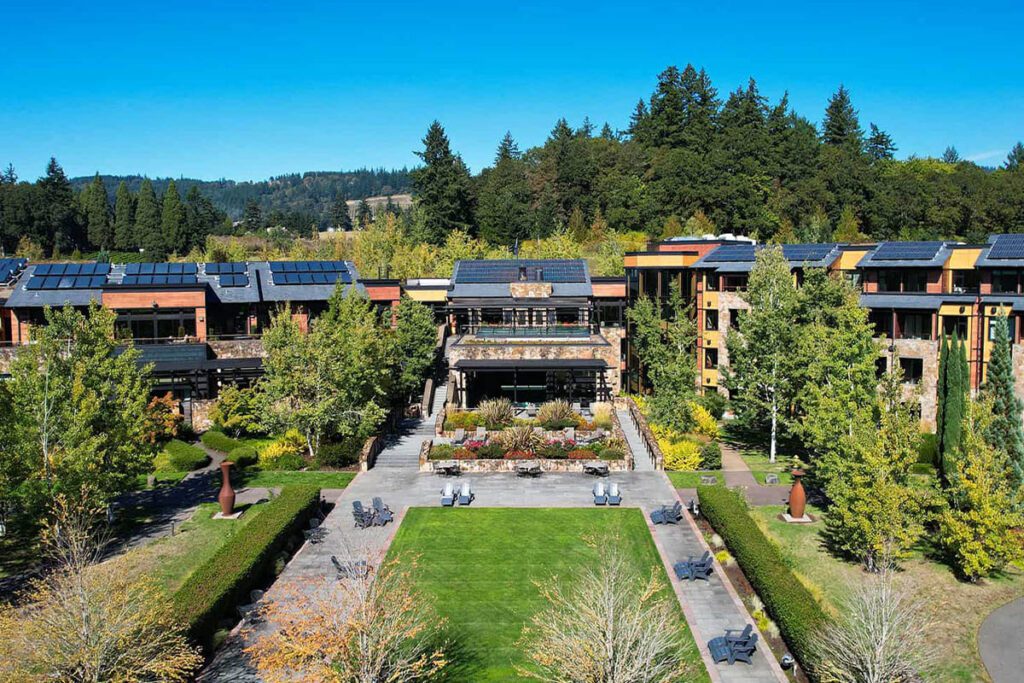
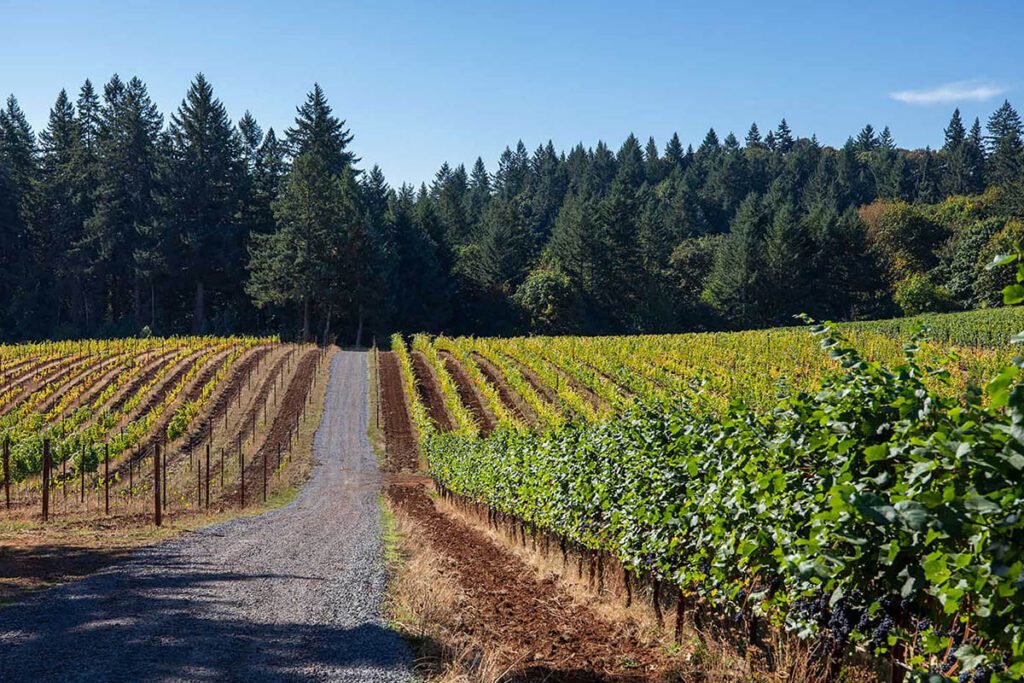
Set in Newberg in Oregon’s Willamette Valley, The Allison places travelers in one of America’s most important Pinot Noir regions, surrounded by vineyards, farmland, and the softer landscape of Oregon wine country. The property brings its setting into the stay through its vineyard, Chef’s Garden, walking paths, spa, and JORY Restaurant.
But its strongest connection to the region may be the people it brings inside.
The Allison’s Willamette Valley Wine Collective programming regularly features local producers through Somm Spotlight dinners, Fireside Chats, and Shared Pour tastings. Its September 2026 calendar, for example, includes appearances from producers such as Lemelson Vineyards and Sequitur, allowing guests to meet the people behind the bottles without necessarily spending the entire day driving between wineries.
Timing helps too. The Willamette Valley Wineries Association identifies September and October as harvest season, with September afternoons generally reaching the 70s before temperatures begin dropping later in fall.
The overall mood is quieter than Napa, and that is part of the appeal. Spend the day exploring Pinot Noir country, come back for the spa, then let JORY and the resort’s wine program take care of the evening.
Why stay here: The Allison is the strongest choice for travelers who want a polished wine-country stay outside California. Pinot Noir may get you here, but the slower rhythm of the Willamette Valley is what makes staying a few days feel like a particularly good idea.
Eritage Resort gives this list its biggest change of scenery.
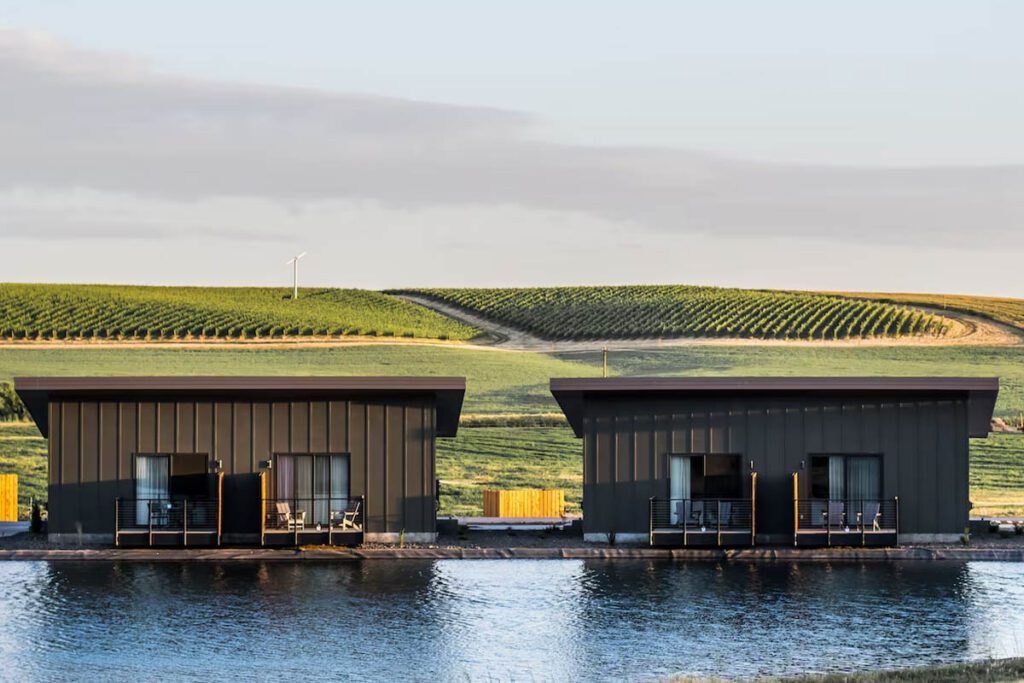
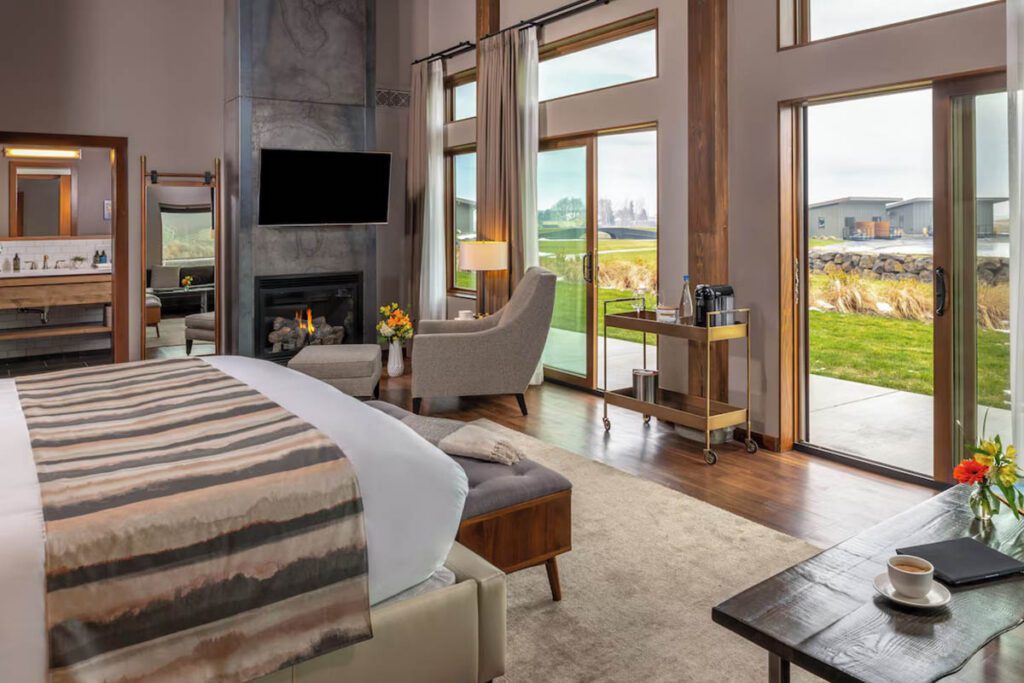
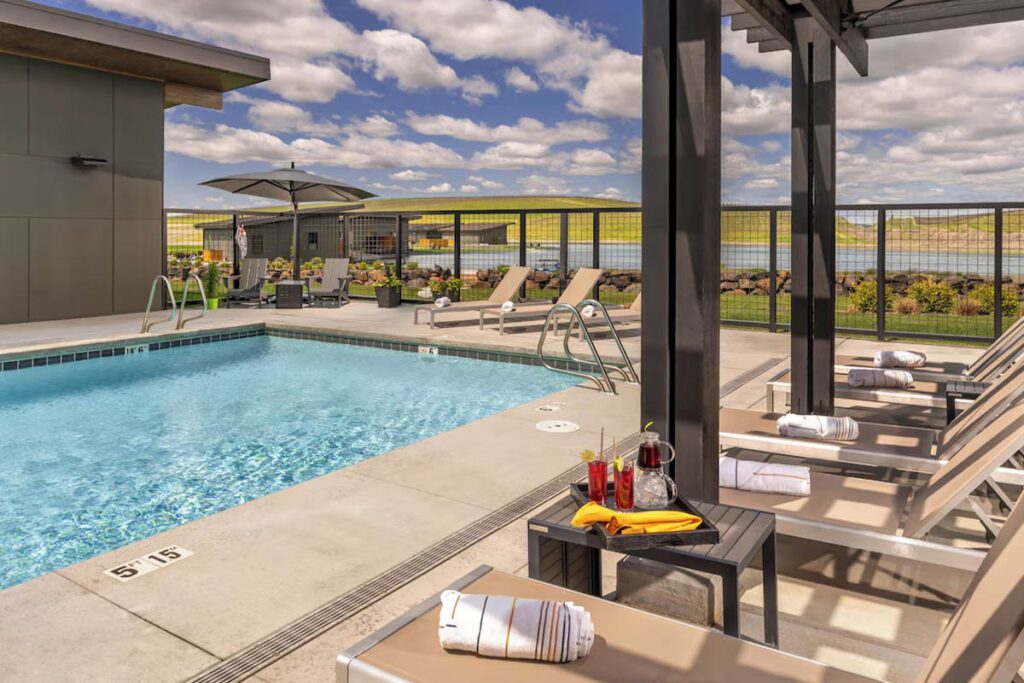
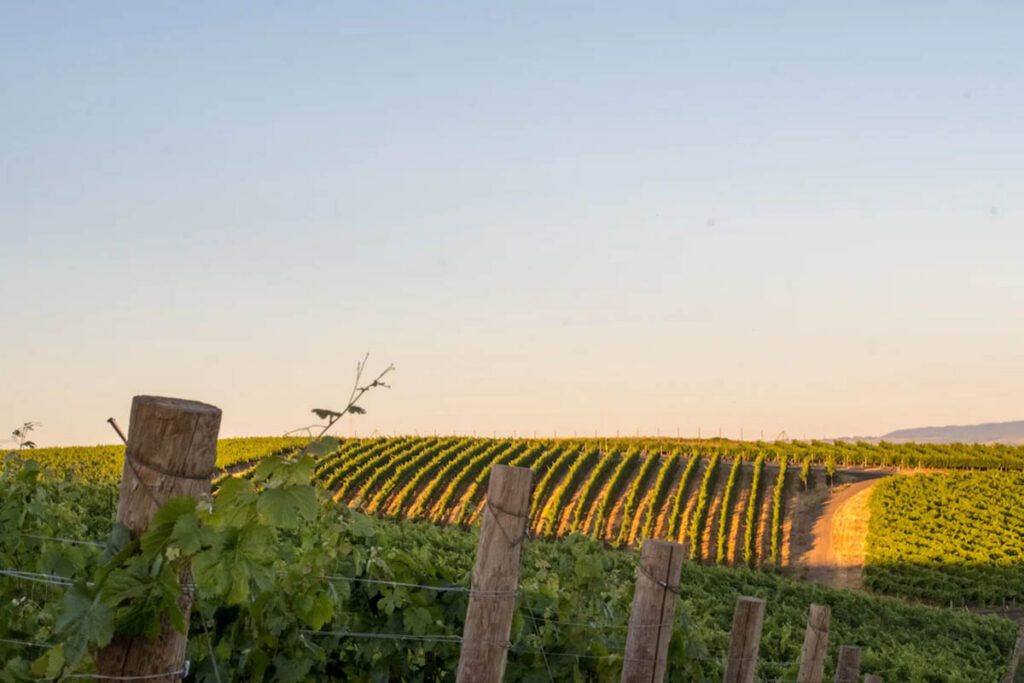
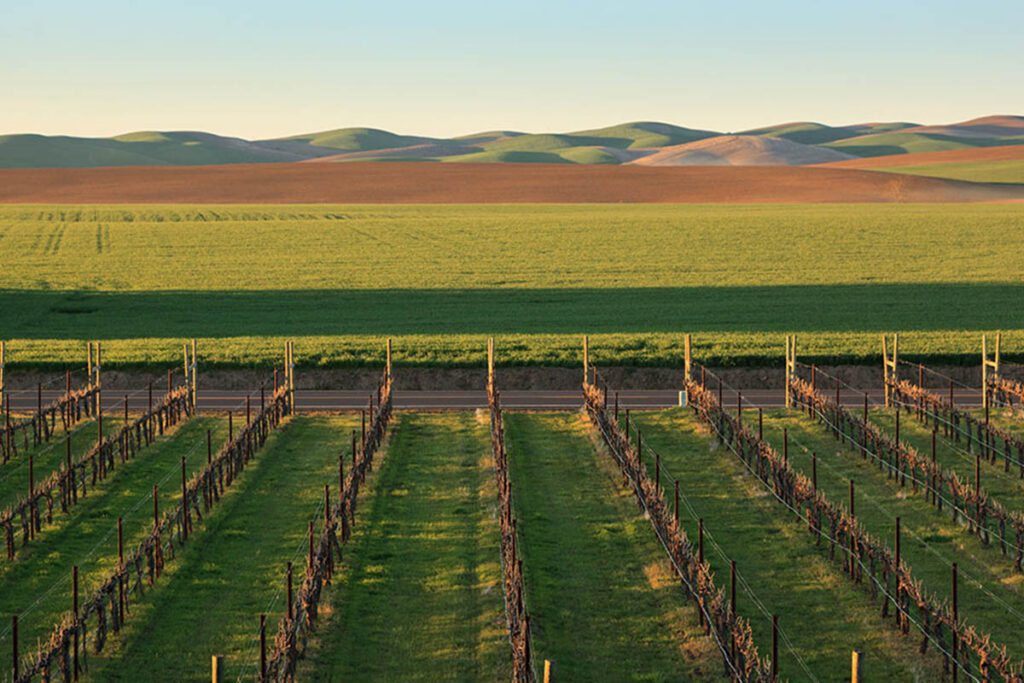
Set on 300 acres of rolling wheat fields and vineyards just outside downtown Walla Walla, the intimate resort has 22 luxury suites and bungalows with views across the Blue Mountains, farmland, or its man-made lake. It feels expansive without feeling oversized, and the agricultural setting immediately makes it clear that Walla Walla is a different kind of wine destination from Napa or Sonoma.
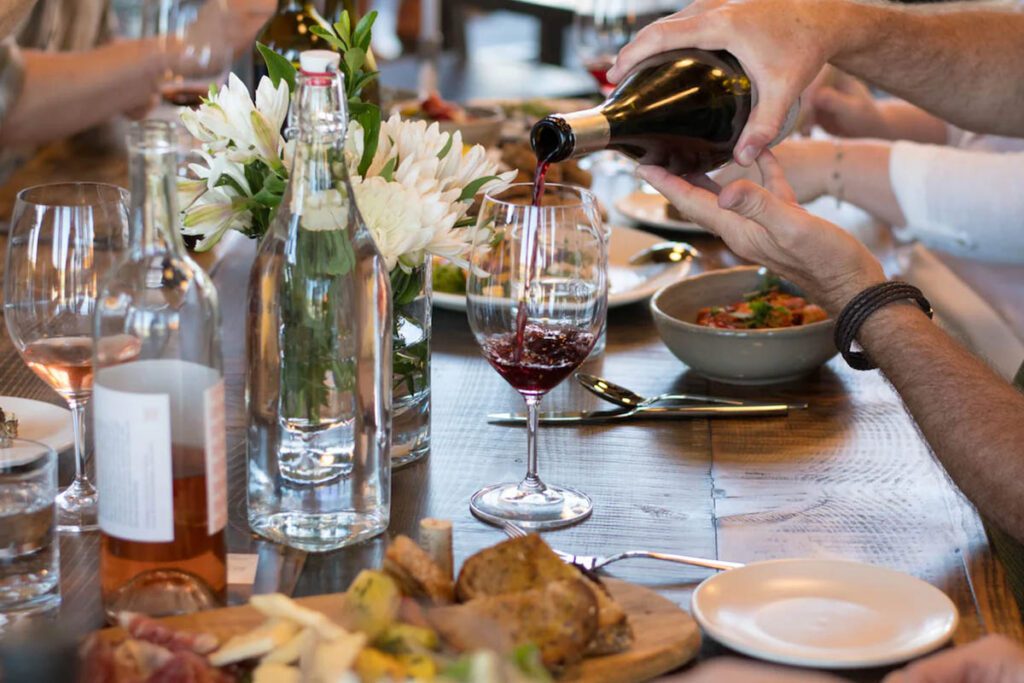
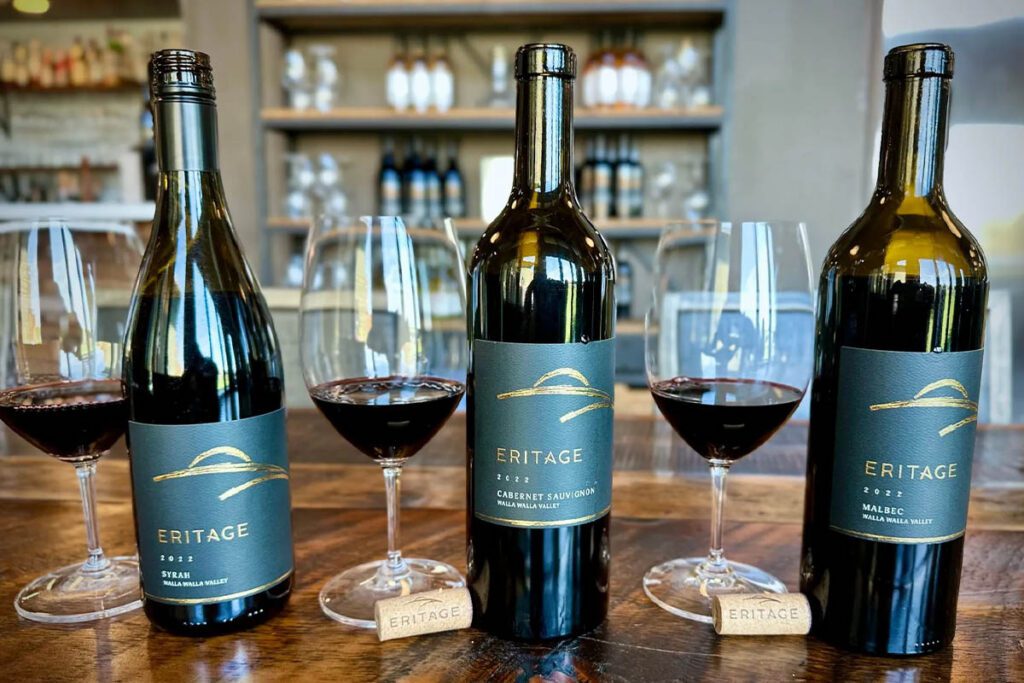
The property’s wine connection is deliberately regional. Eritage maintains a substantial collection of local wines and pours wines available exclusively at the resort, giving Walla Walla producers plenty of space at the table.
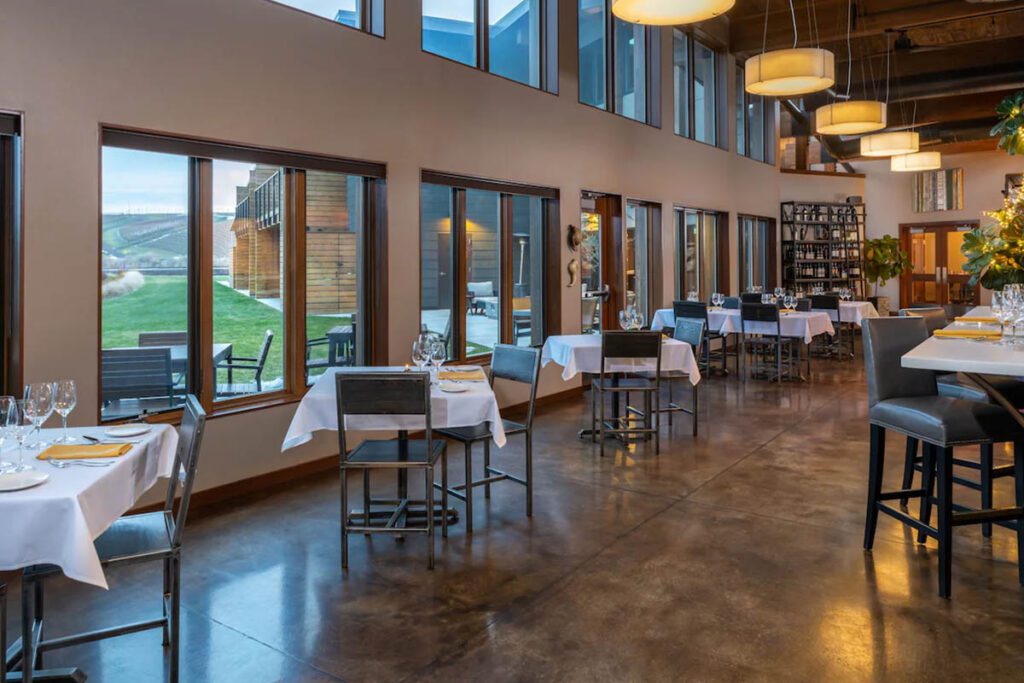
But this is not the place to spend all day analyzing a wine list. The broader appeal is having somewhere peaceful to return to after exploring the region’s tasting rooms. The resort setting encourages slower afternoons, while its restaurant draws on local ingredients and the agricultural character of the surrounding valley.
That distinction is useful because Walla Walla does not need to imitate California to deserve a place on a luxury wine itinerary. It feels more open, less performative, and refreshingly comfortable with doing its own thing.
Why stay here: Eritage is for travelers who want Walla Walla to feel like a proper escape rather than a series of tasting appointments. Do the winery circuit, absolutely. Just leave enough room in the schedule for a long dinner, a wide-open view, and the radical concept of not being in a car for a few hours.
If Eritage is about using Walla Walla as a landscape to explore, The Inn at Abeja brings the story much closer.
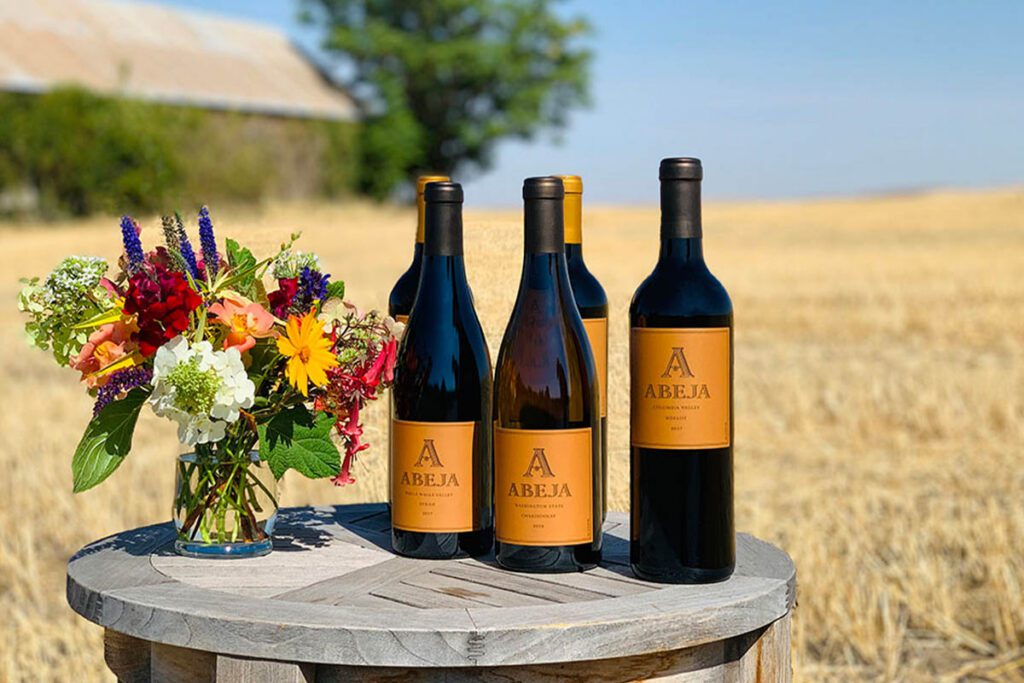
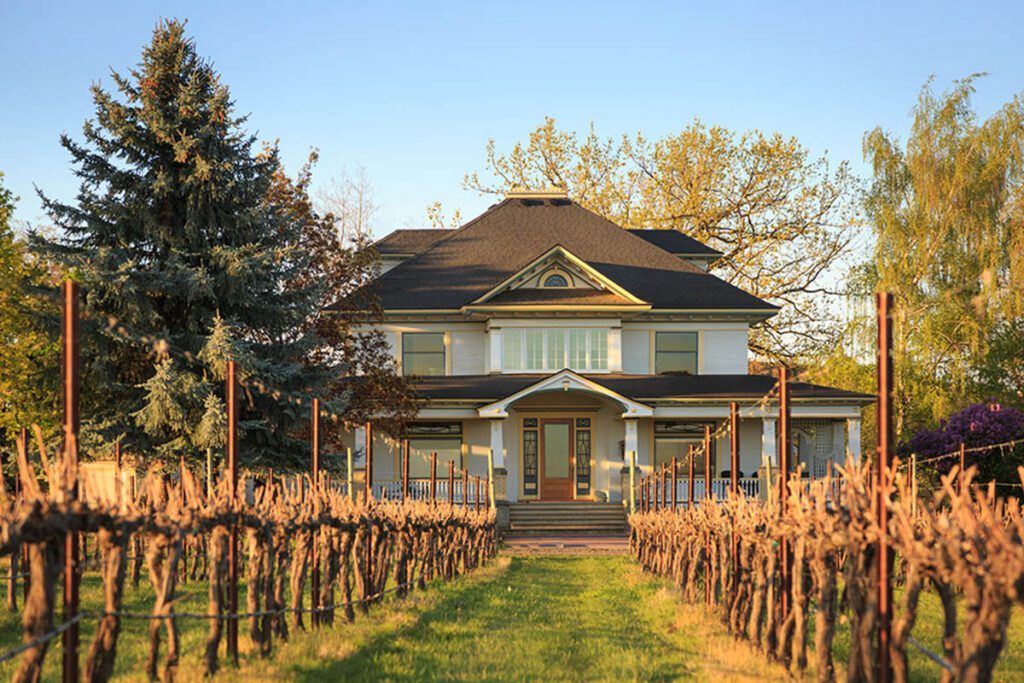
The inn shares Abeja’s historic Mill Creek farmstead and winery about 10 minutes east of downtown Walla Walla. Vineyards, creeks, gardens, restored farm buildings, and active winery spaces form the setting, so guests are not simply staying near wine country. They are staying inside a working wine estate.
That connection becomes even clearer once you start tasting. Traditional Abeja tastings take place in the historic Big Barn or outdoors when weather allows, while the Abeja Estate Experience begins with a walking tour of the winery, farmstead, Mill Creek Estate vineyards, gardens, and grounds. It finishes with a private seated tasting of limited-release wines paired with seasonal small bites from The Kitchen at Abeja. Inn guests receive complimentary traditional tastings, making the winery experience a natural extension of the stay rather than another excursion to organize.
The property’s smaller scale is part of its charm. This is not a sprawling resort trying to be everything to everyone. The accommodations occupy thoughtfully restored buildings around the farmstead, and breakfast is included for inn guests.
For travelers arriving during harvest, that intimacy is exactly the point. You wake up surrounded by the landscape responsible for what eventually ends up in the glass.
Why stay here: Abeja is the choice for travelers who want the most wine-focused stay on the list without the polish feeling corporate. There is less resort theater and more connection to the vineyard, cellar, and people doing the actual work.
Harvest may be one of the most exciting times to visit wine country, but it rewards travelers who plan the important parts before arrival.
The key is deciding what actually deserves a reservation and what should be left alone. Book the room. Secure the wineries you genuinely care about. Make the dinner reservation everyone would be annoyed to miss. Then stop.
A wine-country trip should still feel like a vacation.
Book the Important Things Early
Start with your hotel, then lock in the winery experiences and restaurants at the top of your list. Harvest brings limited seasonal events, winemaker dinners, and special programming, while increased visitor demand can make last-minute planning considerably less charming.
This is particularly worth remembering in the major wine regions, where September and October coincide with harvest activity.
Two or Three Tastings a Day Is Plenty
Five wineries on a map can look perfectly reasonable.
Five wineries in real life can start to feel like a corporate off-site with better glassware.
Two or three thoughtfully chosen visits give you time to talk with the people pouring, appreciate the setting, eat properly, and occasionally enjoy the wine instead of checking your watch.
And if your resort has its own winery, tasting program, or winemaker event, count it. You do not receive extra vacation points for exhausting yourself.
Leave Time to Actually Enjoy the Resort
This may be the most frequently ignored piece of wine-country advice.
If you are staying somewhere with vineyard views, a serious spa, excellent dining, trails, gardens, a pool, or its own winery, give the property a proper afternoon. The reason to choose one of the best wine country resorts rather than a convenient hotel is that where you stay should add something to the trip.
Sometimes the best decision on the itinerary is deleting something from it.
Pack for Warm Days and Cooler Evenings
Early fall temperatures can shift noticeably between afternoon and dinner.
In Oregon’s Willamette Valley, September afternoons typically reach the 70s, dropping into the 60s later in October. Napa can also retain warm daytime temperatures well into harvest season. Layers are therefore considerably more useful than trying to predict exactly what fall is supposed to feel like.
Comfortable shoes are worth bringing too. Vineyards have a habit of containing actual dirt.
Remember That Harvest Does Not Follow a Fixed Date
Harvest season is a window, not an appointment.
Timing varies according to grape variety, vineyard location, weather, and the conditions of each vintage. Even within the same region, one winery may be picking while another is waiting.
If seeing harvest activity is particularly important to you, contact the property or winery before arranging the entire trip around a specific week.
What are the best wine regions to visit in the USA?
Napa Valley and Sonoma are the country’s most recognizable luxury wine destinations, but Oregon’s Willamette Valley and Washington’s Walla Walla Valley offer excellent alternatives. Napa delivers deep luxury infrastructure, Sonoma offers more space and variety, Willamette is particularly known for Pinot Noir, and Walla Walla combines acclaimed wineries with a quieter, more rural atmosphere.
When is wine harvest season in the United States?
There is no single national harvest date. Timing depends on region, grape variety, weather, and the individual vintage. In major West Coast wine regions, harvest generally takes place from late summer into fall. The Willamette Valley specifically identifies September and October as its harvest season.
Is September a good time to visit Napa Valley?
Yes. September falls within Napa Valley’s harvest period and can bring warm weather, active wineries, seasonal dining, and special wine experiences. Four Seasons Napa Valley, for example, runs its 2026 harvest season from September through November. Popular hotels, wineries, and restaurants are worth reserving well ahead.
What are some of the best luxury wine country resorts in the USA?
Four Seasons Resort and Residences Napa Valley, Montage Healdsburg, Stanly Ranch, The Allison Inn & Spa, Eritage Resort, and The Inn at Abeja all offer strong but very different wine-country stays. The best choice depends on whether you want a working winery, a full-service resort, wellness, regional wine access, or a smaller estate experience.
Do you need reservations for wineries during harvest season?
For sought-after wineries and private experiences, advance reservations are a smart idea. Harvest is a popular travel period, and some experiences have limited capacity. Rather than booking every available hour, reserve the wineries you care about most and leave some room between them.
Is harvest season only about wine tasting?
Not remotely. Depending on the destination, a harvest-season trip can include vineyard walks, winemaker dinners, seasonal dining, biking, spa time, gardens, hiking, and simply spending a long afternoon at the resort. Wine may set the itinerary in motion, but it does not need to occupy every waking hour.
There are easier ways to drink a good bottle of wine than flying across the country to do it.
What makes harvest season worth the trip is everything happening around that bottle. Vineyards are in motion. Winemakers are deep into the year’s work. Restaurants are leaning into the season. And the landscapes responsible for what you are tasting suddenly feel like more than attractive scenery outside the tasting-room window.
Stay somewhere that brings you closer to that energy and the trip changes completely. Maybe that means waking up beside Cabernet vines in Napa, spending the afternoon in Oregon Pinot Noir country, or checking into a working winery in Walla Walla.
Pick the region that suits your style, book the important things early, and leave a little room in the itinerary for whatever ends up in the glass.
Signature Moments: 5 Unforgettable Experiences at Villa Park Maldives 5 Must-Try Villa Park Maldives Experiences Some resorts promise luxury. Others promise adventure. But Villa Park Maldives delivers something far more memorable: experiences that feel deeply personal and rooted in place. … Read More
There is no excerpt because this is a protected post.
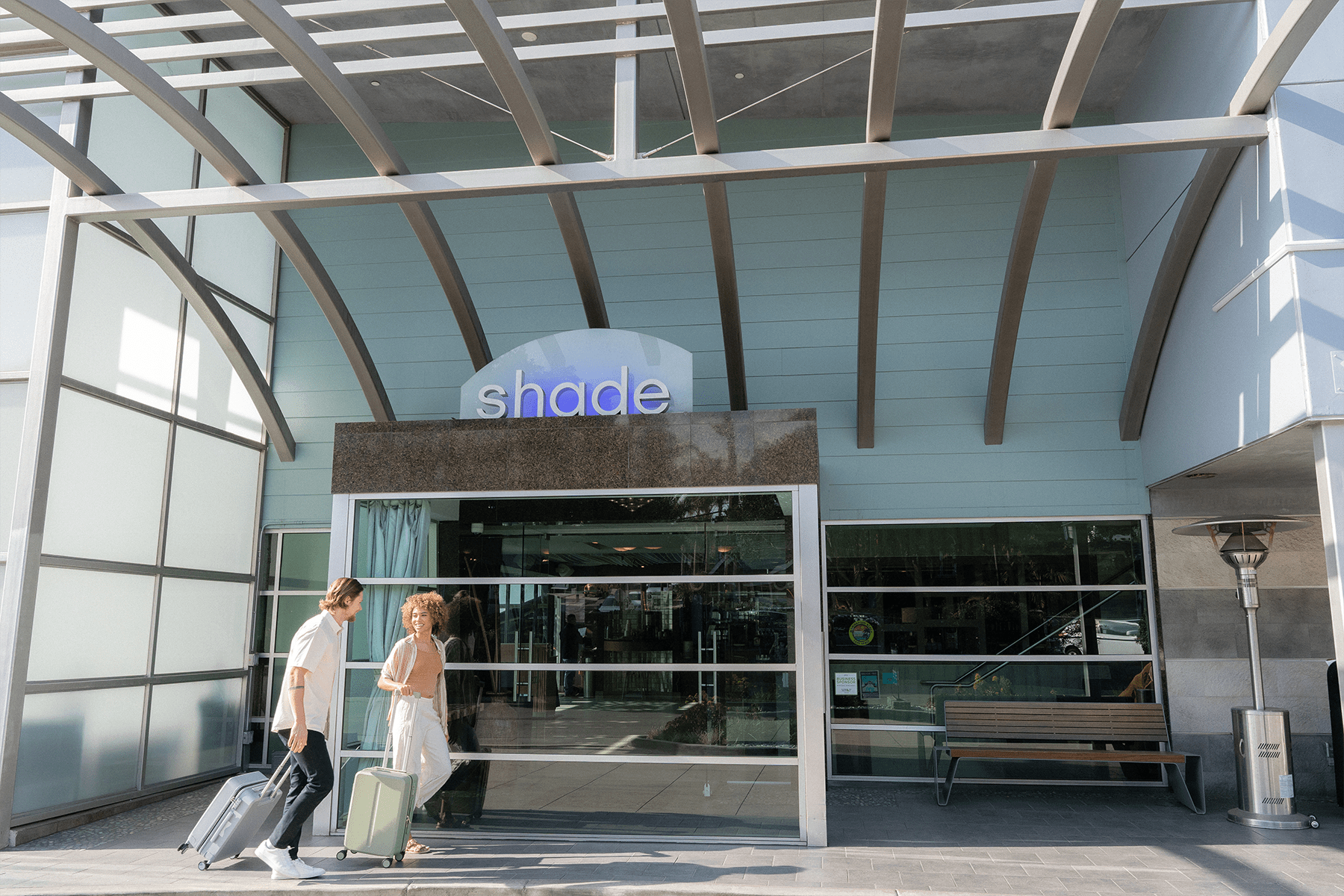
A Seaside Sanctuary: Discover Shade Hotel Redondo Beach Redondo Beach Luxury Hotel – Shade Hotel Redondo Beach Experience coastal luxury at Shade Hotel Redondo Beach, where every detail celebrates the natural beauty of Southern California’s waterfront. Proudly boutique and rooted … Read More

There is no excerpt because this is a protected post.
Embark on Unforgettable Adventures with Galapagos Luxury Charters Discover Unrivaled Luxury and Adventure with Galapagos Luxury Charters Experience the ultimate in luxury and adventure with Galapagos Luxury Charters. Discover the Galapagos Island’s breathtaking beauty and unparalleled biodiversity aboard exclusive yachts … Read More
There is no excerpt because this is a protected post.

Calistoga, California